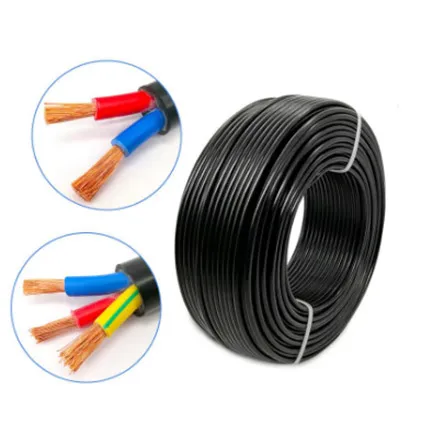
When we talk about building safety, most people think of sturdy walls, fire-resistant doors, or emergency exits. But there's an unsung hero working behind the scenes—electrical cables. These hidden lifelines carry power to every corner of a building, from the lights in your bedroom to the machinery in a commercial kitchen. Yet, if they're not up to standard, they can turn from helpers into hazards. Short circuits, electrical fires, equipment malfunctions—many of these issues trace back to low-quality cables. That's where shielded electrical cables come in, and why choosing the right supplier matters. Today, let's dive into how one-stop architectural solution providers are redefining safety with these critical components, especially in regions like Saudi Arabia where building standards are becoming stricter by the day.
Why Shielded Cables Are Non-Negotiable in Modern Construction
Think of electrical cables as the veins of a building. Just like veins need to be strong to carry blood without leaks, cables need protection to carry electricity safely. Regular cables might get the job done, but they're vulnerable. Imagine a cable running through a busy commercial building—surrounded by other wires, machinery, even environmental factors like moisture or heat. Without protection, electrical interference can disrupt signals (like in a hospital's sensitive equipment), or worse, the cable's insulation could wear down, leading to (leakage) and fires.
Shielded cables solve this by adding a protective layer—think of it as a "safety jacket" around the wires. This layer, usually made of metal foil or braided copper, does two key things: it blocks external interference (so your home's Wi-Fi doesn't mess with your smart fridge) and contains internal signals (preventing the cable itself from disrupting other devices). For places where safety is non-negotiable—hospitals, schools, high-rise apartments, or busy shopping malls—this isn't just an upgrade; it's a necessity.
What Makes a Quality Shielded Cable? Let's Break It Down
Not all shielded cables are created equal. The best ones balance flexibility (so they're easy to install in tight spaces), durability (to withstand wear and tear), and shielding efficiency (how well they block interference). Let's take a closer look at the features that matter:
|
Shielding Type
|
How It Works
|
Best For
|
Safety Benefit
|
|
Foil Shielding
|
Thin aluminum foil wrapped around the wires
|
Residential homes, small offices
|
Lightweight, cost-effective, blocks 85-90% of interference
|
|
Braided Shielding
|
Interwoven copper strands (like a mesh)
|
Commercial buildings, hospitals
|
More durable, flexible, blocks 95%+ of interference
|
|
Combination Shielding
|
Foil + braided layer for double protection
|
Industrial facilities, data centers
|
Maximum safety—resists extreme temperatures and moisture
|
For example, in a hospital, where life-saving equipment like MRI machines or heart monitors rely on stable power, even a tiny electrical glitch can have catastrophic results. That's why hospitals often use braided or combination shielded cables—they ensure the equipment gets clean, uninterrupted power. Similarly, in a high-rise residential building, foil-shielded cables might be used in individual apartments to keep electricity safe and bills low (since less interference means more efficient energy use).
Beyond Cables: The Advantage of a One-Stop Building Materials Supplier
Here's a common headache for contractors and project managers: coordinating with multiple suppliers. You order cables from one company, lighting fixtures from another, and wall materials from a third. Each has different lead times, quality standards, and delivery schedules. It's a logistical nightmare that delays projects and increases costs. That's where a
one-stop architectural solution provider changes the game.
A supplier that offers everything from cables to ceiling panels to kitchen appliances doesn't just save you time—it ensures consistency. When all your materials come from one source, they're designed to work together. For example, the shielded cables will pair perfectly with the electrical fixtures, reducing the risk of compatibility issues. This is especially valuable for large projects, like building a residential complex or a commercial mall, where even small mismatches can lead to big problems down the line.
Why Saudi Arabia Trusts This Building Materials Supplier
The Middle East, and Saudi Arabia in particular, is booming with construction. From Riyadh's futuristic skyscrapers to Jeddah's coastal developments, the demand for reliable building materials is skyrocketing. But here's the thing: Saudi Arabia has unique challenges. Extreme temperatures (up to 50°C in summer), strict local regulations, and a focus on sustainability (thanks to Saudi Vision 2030) mean not every supplier can keep up.
A seasoned
Saudi Arabia building materials supplier understands these nuances. For instance, cables used in Saudi homes need to withstand not just heat but also sand and humidity—factors that can degrade low-quality insulation quickly. Local suppliers with decades of experience know exactly what specs to meet, whether it's the Saudi Standards, Metrology and Quality Organization (SASO) requirements or the strict safety codes for commercial buildings in Mecca and Medina.
Take a recent project: a 20-story residential tower in Dammam. The developer needed cables that could handle the building's smart home systems (think automated lighting, security cameras) without interference. By choosing a supplier with local expertise, they got shielded cables pre-tested for Saudi conditions, along with on-site support from a team that spoke the language and understood the project's timeline. The result? The building was wired efficiently, on budget, and passed inspections with zero issues.
From Residential to Commercial: Cables That Fit Every Project
Whether you're building a family home or a five-star hotel, the right cables make all the difference. Let's see how a versatile supplier caters to both residential and commercial needs:
Residential Building Materials: Safety Meets Comfort
For homeowners, peace of mind is key. A
residential building materials supplier focuses on cables that are easy to install (so electricians can finish faster), energy-efficient (to lower utility bills), and safe for kids and pets. Shielded cables here often come in neutral colors (to blend with walls) and are flame-retardant—meaning if a fire does start elsewhere, the cables won't spread it quickly. Imagine a family in Riyadh: their kids love to play near power outlets, but with high-quality shielded cables, the risk of electric shock from frayed wires is drastically reduced.
Commercial Building Materials: Durability for High Traffic
Commercial projects are a whole different ballgame. A shopping mall might have thousands of people walking through daily, with constant use of elevators, AC units, and POS systems. Commercial building materials suppliers prioritize cables that can handle heavy loads without overheating. For example, a hotel in Riyadh's King Abdullah Financial District uses braided shielded cables in its conference rooms—ensuring that presentations run smoothly (no interference with projectors) and that the lighting and sound systems don't crash during events.
Sustainability: Cables That Align With "Green" Goals
These days, building isn't just about safety and cost—it's about the planet too. With global "net-zero" targets and Saudi Arabia's own 2030 Vision pushing for sustainability, more developers are asking: "Are my materials eco-friendly?" The good news is, top electrical fixtures & cables suppliers are stepping up.
Modern shielded cables are now made with recycled materials (like reclaimed copper for braided shielding) and low-smoke insulation (so if there's a fire, they release fewer toxic fumes). Some even use halogen-free materials, which are safer for the environment and for people. For example, a school in Jeddah recently chose halogen-free shielded cables—part of their goal to create a "green campus." Not only did this meet local sustainability standards, but it also made parents feel better knowing the building's materials were non-toxic.
Why Choose a One-Stop Supplier for Your Cables?
Let's be honest: construction is stressful enough. Coordinating with 10 different suppliers, chasing deliveries, and fixing mismatched parts? That's a recipe for delays and extra costs. A
one-stop architectural solution provider simplifies this by offering everything under one roof—cables, lighting, plumbing, even kitchen appliances. Here's how this benefits you:
-
Consistency:
All materials are tested to work together. No more worrying if your cables are compatible with your switches.
-
Time Savings:
One order, one delivery schedule, one point of contact. A recent hotel project in Riyadh cut 2 weeks off its timeline by using a one-stop supplier.
-
Cost Efficiency:
Bulk ordering across categories often means better pricing. Plus, you avoid hidden fees from multiple suppliers.
-
Expert Support:
Instead of juggling 5 different customer services, you have a single team that knows your project inside out—from the first blueprint to the final inspection.
Final Thoughts: Safety Starts With the Right Partner
At the end of the day, shielded electrical cables are more than just wires—they're an investment in safety, efficiency, and peace of mind. Whether you're wiring a small apartment or a sprawling commercial complex, the right supplier doesn't just sell you products; they partner with you to build something lasting.
For developers in Saudi Arabia and beyond, this means choosing a supplier with local know-how, global standards, and a commitment to both quality and sustainability. One that understands that in construction, the smallest details—like the cable behind the wall—can make the biggest difference. After all, when it comes to safety, there's no room for compromise.