
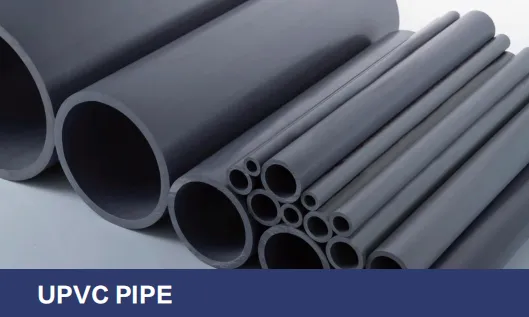
When it comes to building or upgrading a pipe system, there are dozens of materials to choose from—metal, concrete, CPVC, and more. But if there's one material that's been gaining traction for its ability to stand up to harsh substances, it's UPVC (Unplasticized Polyvinyl Chloride). You might have heard of UPVC pipes in passing, maybe in conversations about plumbing or construction, but what really sets them apart is their impressive chemical resistance. In this article, we're diving deep into why that matters, which projects need it most, and how UPVC pipe solutions can be a game-changer for durability, safety, and long-term cost savings.
Whether you're planning a wastewater treatment plant, a hospital renovation, or a chemical processing facility, the pipes you choose will directly impact how well your system holds up over time. Corrosion, leaks, and premature failure aren't just inconveniences—they can lead to costly repairs, safety hazards, and even regulatory violations. That's where UPVC steps in. Let's start by breaking down what makes UPVC pipes so resistant to chemicals, and then explore the projects where this feature isn't just a nice-to-have, but a necessity.
First things first: What is UPVC, exactly? Unlike regular PVC (which contains plasticizers to make it flexible), UPVC is rigid and, giving it superior strength and stability. But the real star here is its molecular structure. UPVC is made up of vinyl chloride monomers linked in a tight, non-porous chain, which makes it highly resistant to chemical penetration. Think of it like a suit of armor for your pipes—acids, alkalis, salts, and even many organic solvents struggle to break through that molecular barrier.
To put it in perspective, consider how other materials react to chemicals. Metal pipes, for example, can corrode when exposed to acidic wastewater, leading to rust buildup and leaks. Concrete pipes might degrade when in contact with certain alkalis, weakening their structure over time. UPVC, on the other hand, remains stable in a wide range of chemical environments. It can handle pH levels from 2 (strongly acidic) to 12 (strongly alkaline) without showing signs of degradation, making it versatile for diverse applications.
Temperature also plays a role, and UPVC holds its own here too. While it's not ideal for extremely high temperatures (it typically works best between 0°C and 60°C), within that range, its chemical resistance doesn't waver. This stability means that even when transporting hot liquids with chemical components—like sanitizing solutions in hospitals or heated industrial waste—UPVC pipes won't warp, crack, or leach harmful substances into the flow.
Another key point? UPVC is non-reactive. Unlike some materials that might interact with the chemicals passing through them (releasing toxins or altering the substance's composition), UPVC remains inert. This is critical in settings like food processing or pharmaceutical manufacturing, where purity is non-negotiable. When you choose UPVC pipe solutions, you're not just getting a durable pipe—you're getting a material that keeps the substances it transports safe and unaltered.
You might be thinking, "Do I really need to worry about chemical resistance in my pipes?" The answer depends on what's flowing through them. If your system only carries clean water, maybe not. But in most industrial, commercial, or even residential settings, pipes are exposed to more than just H2O. Cleaning agents, fertilizers, industrial waste, medical fluids, and even natural minerals in water can all act as mild to severe chemicals that eat away at less resistant materials. Here's why chemical resistance should be top of mind:
Cost Savings Over Time: Replacing corroded pipes isn't cheap. It involves shutting down operations, digging up existing systems, and installing new materials—all of which add up. UPVC's resistance to chemicals means fewer replacements, lower maintenance costs, and a longer lifespan (often 50+ years with proper installation). For example, a chemical plant using metal pipes might need to replace sections every 5–10 years due to corrosion; with UPVC, that timeline stretches to decades.
Safety First: A leaking pipe isn't just a hassle—it can be dangerous. If chemicals leak into the environment, they can contaminate soil or water sources. In industrial settings, toxic substances could expose workers to health risks. UPVC's tight molecular structure reduces the risk of leaks, keeping both people and the planet safer.
Regulatory Compliance: Many industries—like healthcare, food processing, and wastewater treatment—are subject to strict regulations about material safety and chemical containment. Using non-resistant pipes could lead to violations, fines, or even project shutdowns. UPVC is often certified for use in these sectors, giving project managers peace of mind that their systems meet local and international standards.
Consistent Performance: When pipes degrade, they don't just leak—they can also restrict flow, reduce water pressure, or contaminate the substances they're transporting. For example, in a hospital, corroded pipes might leach rust into water used for cleaning, compromising hygiene. UPVC maintains its structural integrity, ensuring consistent flow and purity.
Now that we understand why chemical resistance is critical, let's zoom in on the projects where UPVC pipe solutions truly shine. These are the settings where pipes face daily exposure to harsh chemicals, and where failure isn't an option.
Wastewater treatment plants are ground zero for chemical exposure. Think about what flows through these systems: industrial runoff (laden with solvents, oils, and heavy metals), municipal sewage (high in organic acids and alkalis), and the chemicals used in the treatment process itself (chlorine, hydrogen peroxide, and pH adjusters like sulfuric acid). Metal pipes here would corrode rapidly, and concrete might crack under the constant chemical assault.
UPVC pipes, however, thrive in this environment. They resist the acids from organic matter, the alkalis from cleaning agents, and even the abrasive particles in wastewater. What's more, UPVC is smooth on the inside, which reduces clogs and makes cleaning easier—another plus for maintenance teams. Many wastewater plants in regions like Saudi Arabia, where industrial activity is high, have started switching to UPVC pipe solutions for their durability and low upkeep.
Chemical plants are where raw materials are transformed into everything from pharmaceuticals to plastics—and that means pipes are transporting concentrated acids, bases, solvents, and corrosive gases. Even small leaks can have catastrophic consequences, from equipment damage to worker injuries. UPVC's non-reactive nature makes it ideal for these applications. For example, in a plant producing fertilizers, pipes carrying ammonia (a highly alkaline gas) need to be impervious to corrosion. UPVC doesn't react with ammonia, ensuring safe transport from storage to processing units.
Additionally, UPVC's lightweight nature makes installation easier in complex chemical plants, where pipes often need to be routed around machinery. Unlike metal, it doesn't require heavy lifting equipment, cutting down on installation time and labor costs.
Hospitals and clinics are all about cleanliness—and that means constant exposure to strong sanitizing agents. Disinfectants like bleach, hydrogen peroxide, and quaternary ammonium compounds are used daily to kill bacteria and viruses. These chemicals are great for hygiene but tough on pipes. Traditional metal pipes can corrode when repeatedly exposed to these agents, leading to rust buildup and potential contamination of water supplies.
UPVC pipes, including PVC DWV (Drain, Waste, Vent) systems, are a popular choice here. DWV pipes carry wastewater and sewage away from patient areas, and they're often exposed to the same sanitizing agents used to clean floors and drains. UPVC's resistance to these chemicals ensures that the DWV system remains intact, preventing leaks and maintaining a sterile environment. Plus, UPVC is smooth and non-porous, so bacteria can't cling to its surface—another win for infection control.
Many healthcare projects also prioritize Class A fireproof materials, and while UPVC isn't fireproof on its own, it can be paired with fire-resistant components (like the Class A fireproof CPL inorganic boards used in hospital walls) to create a comprehensive safety system. But when it comes to chemical resistance in plumbing, UPVC is the go-to.
From breweries to dairy farms to juice factories, food and beverage production involves a lot of cleaning. Pipes that carry raw ingredients, byproducts, or cleaning solutions (like caustic soda for sanitizing) need to be resistant to acids, sugars, and detergents. For example, a winery's pipes might transport acidic grape juice, while a dairy plant uses hot water and alkaline cleaners to sterilize equipment. UPVC stands up to both, ensuring that no harmful substances leach into the food or beverage.
Regulatory bodies like the FDA (Food and Drug Administration) have strict standards for materials in food contact, and UPVC is often approved for these applications. Its non-toxic, inert nature means it won't affect the taste, color, or safety of the products flowing through it.
Farmers and agricultural businesses deal with a unique set of chemicals: fertilizers (high in nitrogen, phosphorus, and potassium), pesticides, herbicides, and animal waste. Irrigation pipes, drainage systems, and manure transport lines are all exposed to these substances daily. Metal pipes here would rust quickly, while concrete might crack under the acidity of animal waste. UPVC pipes resist corrosion from fertilizers and pesticides, making them ideal for irrigation systems. They're also UV-resistant, so they hold up well when installed above ground in sunny climates like Saudi Arabia's.
Another bonus? UPVC is lightweight and easy to install in remote agricultural areas, where heavy machinery might not be accessible. Farmers can lay irrigation lines quickly, ensuring crops get the water and nutrients they need without delays.
Schools, colleges, and research labs might not seem like high-chemical environments, but think again. Science labs use acids, bases, and solvents for experiments, while janitorial staff use strong cleaners to keep facilities germ-free. Dormitories and cafeterias generate wastewater with food scraps and cleaning agents, which can be acidic or alkaline. UPVC DWV pipe solutions are a smart choice here, as they handle both lab waste and general plumbing needs without corroding. In school labs, where safety is paramount, UPVC's leak-resistant design also reduces the risk of chemical spills during experiments.
Even in office buildings, hotels, or shopping malls, pipes face chemical exposure. Janitorial teams use harsh cleaners on floors, toilets, and drains; kitchens in hotels or food courts generate greasy, acidic wastewater; and HVAC systems might use chemicals for cooling or maintenance. UPVC's resistance to these everyday substances means fewer plumbing issues for building managers. For example, a hotel using UPVC pipes in its kitchen drains won't have to deal with frequent clogs or corrosion from food fats and cleaning agents, keeping the kitchen running smoothly.
To really understand UPVC's value, it helps to see how it compares to other common pipe materials. Let's take a look at a side-by-side comparison of chemical resistance, cost, and practicality across different options:
| Material | Chemical Resistance | Installation Cost | Maintenance Needs | Lifespan | Best For |
|---|---|---|---|---|---|
| UPVC | Excellent (resists acids, alkalis, solvents) | Moderate (lower than metal, higher than PVC) | Low (no corrosion, minimal cleaning) | 50+ years | Chemical processing, wastewater, healthcare, agriculture |
| Metal (Steel/Copper) | Poor (corrodes in acids/alkalis) | High (expensive materials, heavy installation) | High (regular inspections for rust, coatings needed) | 10–20 years (in chemical environments) | Clean water lines, decorative applications |
| Concrete | Fair (resists some alkalis, but porous to acids) | High (heavy, requires specialized labor) | Moderate (prone to cracking, needs sealing) | 20–30 years | Large-scale drainage, sewer lines |
| CPVC | Good (resists acids/alkalis, but less than UPVC) | Moderate-High (similar to UPVC but higher temp tolerance) | Low (but less durable than UPVC in harsh chemicals) | 40–50 years | Hot water lines, residential plumbing |
As you can see, UPVC outperforms metal and concrete in chemical resistance and maintenance, while holding its own against CPVC (which is better for high temperatures but less robust in extreme chemical environments). For projects where chemicals are a factor, UPVC offers the best balance of durability, cost, and ease of use.
Now that you're convinced UPVC is the way to go, how do you ensure you're getting the right solutions for your project? Not all UPVC pipes are created equal, and working with a reputable supplier is key. Here are a few tips to keep in mind:
For example, if you're building a hospital in Saudi Arabia, you might need a mix of UPVC DWV pipes for wastewater and specialized UPVC pipes for transporting cleaning agents. A local Saudi Arabia building materials supplier with expertise in healthcare projects can help you source both, ensuring your system is compliant, durable, and tailored to your facility's needs.
Chemical resistance isn't just a feature of UPVC pipes—it's a foundation for safer, more durable, and cost-effective systems. From wastewater treatment plants to hospitals, agricultural fields to schools, UPVC pipe solutions are proving their worth in projects where harsh substances are part of the daily routine. By choosing UPVC, you're not just installing pipes—you're investing in a system that will stand up to chemicals, reduce maintenance headaches, and keep operations running smoothly for decades.
So, whether you're a project manager, contractor, or facility owner, don't overlook the importance of chemical resistance in your pipe systems. UPVC isn't the right choice for every project, but for those where chemicals are a factor, it's hard to beat. And when you pair it with a reliable supplier who understands your needs—like a trusted Saudi Arabia upvc pipe supplier—you're setting your project up for success from the ground up.
At the end of the day, the best pipe system is the one you don't have to think about. With UPVC's chemical resistance, that's exactly what you'll get: peace of mind, durability, and a system that works as hard as you do.
Recommend Products












