
You're standing in a chemical processing plant - the air thick with vapors that could eat through ordinary metals. Every piece of equipment here needs special protection, especially the electrical components controlling critical systems. One failure could mean disaster. That's why industrial engineers lose sleep over selecting the right switches, sockets, and cabling that won't crumble under chemical attack.
Picture that control panel in a fertilizer plant exposed to ammonium compounds, or switches near coastal seawater spray. These aren't just harsh conditions - they're outright hostile to regular electrical components. Corrosion isn't just some surface annoyance; it's a silent killer that creeps into connection points and conductor pathways until - pop! - safety mechanisms fail when you need them most.
Corrosion sneaks in like a thief, weakening metal contacts over months or years until that emergency stop button won't break the circuit when lives depend on it.
Downtime isn't just about replacing parts - it's lost production, safety incidents, and regulatory fines that sting harder than any repair bill.
When one corroded component fails, it often takes others with it, creating cascade failures that turn minor issues into catastrophic events.
"Corrosion isn't selective - it'll attack copper conductors, brass contacts, and steel enclosures equally. I've seen ⅛ inch thick metal turn into swiss cheese over 18 months in chlorine-rich environments." — Senior Engineer, Petrochemical Safety Council
Think of sealing ratings like body armor for components. An IP69K-rated enclosure isn't just waterproof - it's pressurized-steam-cleaning-proof and chemical-splash-proof. But materials matter just as much as the rating. Silicone gaskets maintain flexibility at extreme temps while Viton offers superior chemical resistance against industrial solvents.
| Material | Superpower | Kryptonite |
|---|---|---|
| 316L Stainless Steel | Saltwater, acids, alkalis | Hydrochloric acid |
| Marine-grade bronze | Seawater, moisture | Ammonia compounds |
| PVDF Plastic | Chemicals, UV radiation | High temps (>300°F) |
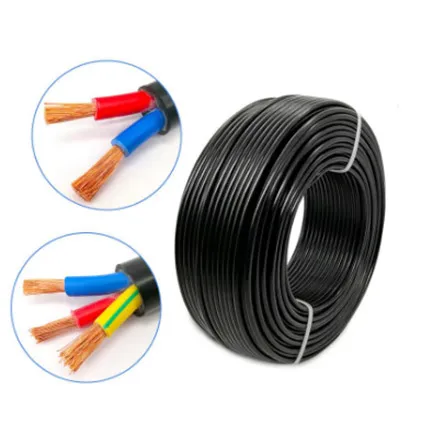
Conduits aren't just pipe dreams - they're your cabling's first line of defense. Stainless steel liquid-tight conduit with polyamide jackets laugh at oil spills and battery acid splashes. But installation matters: That slight downward drip loop before entering a junction box? That's not aesthetics - it's preventing chemical intrusion via capillary action.
Underground mining operations using chemical leaching face some of the harshest cable challenges. Success here comes from triple-threat protection: Chemical-resistant insulation (EPR rubber), armored mechanical protection, and corrosion-inhibiting flooding compounds in conduit runs.
Here, washdown chemicals meet USDA regulations requiring specific plastics and special drainage design to prevent bacterial growth zones. It's where sanitation meets circuit protection.
Salt spray plus hydrogen sulfide gas equals the ultimate durability test. Components here often get sacrificial zinc anodes and special encapsulation beyond standard ratings.
Solvent resistance meets cleanroom requirements - a rare combination demanding FDA-approved polymers and special gasket designs that don't shed particles.
Your maintenance logs tell the real story: If you're replacing standard switches every 6 months but the corrosion-resistant units last 5+ years, the math on total cost of ownership becomes painfully clear.
Certifications are your shortcuts to knowing a product survives specific hellscapes. NEMA 4X isn't just a badge - it means a component survived direct hose-downs with chemical cleaners. ATEX/IECEx certification? That's your guarantee against creating sparks in explosive atmospheres. But don't stop at the label - demand the test reports showing salt spray exposure durations and chemical compatibility charts.
Ever seen corrosion start at a tiny scratch on a stainless enclosure? Surface prep matters. Using carbon steel tools on stainless creates iron contamination that kickstarts rust. The solution? Dedicated stainless tools, protective films during installation, and post-install passivation treatments.
"We learned the hard way: Installing 316L stainless components with regular steel fasteners created galvanic corrosion nightmares. Now we use isolation kits with polymer washers that prevent metal-to-metal contact between dissimilar metals." — Plant Manager, Chemical Processing
Corroded connections create heat signatures long before failure. Quarterly scans identify developing problems at $0.15/sq ft versus $15,000/hr downtime.
Tracking milliohm increases across critical junctions reveals degradation invisible to the naked eye.
Simple surface tests detect corrosive buildup before it penetrates - like checking for termites before they collapse your house.
Yes, corrosion-resistant components cost more upfront - often 30-50% premium. But calculate lifetime value: Five years without failures versus annual replacements of cheaper units plus downtime costs plus potential regulatory fines. The math consistently favors the engineered solution in critical environments.
An offshore drilling platform saved $2.7 million annually after upgrading to corrosion-resistant systems. Their secret? Treating electrical corrosion protection like hull maintenance - non-negotiable and constantly monitored.
Emerging technologies like graphene-infused polymers promise revolutionary chemical resistance in lighter packages. Smart sensors built into enclosures now report early corrosion indicators before human inspectors could detect problems. The future? "Self-healing" coatings that automatically repair minor scratches and breaches.
Choosing corrosion-resistant electrical components isn't a purchase - it's insurance against catastrophic failure. When safety systems must work every single time regardless of chemical exposure, that extra investment becomes your best protection against unplanned disasters. Because in harsh industrial environments, what you don't see - hidden corrosion pathways - can hurt you more than the dangers you see coming.
Recommend Products












