
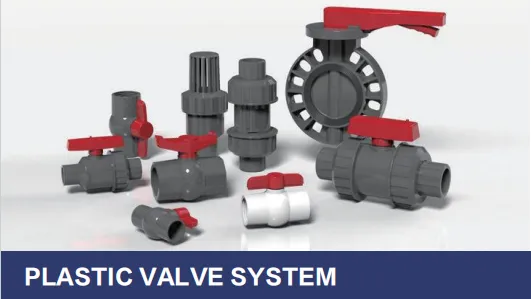
Let's start with a story we've all heard (or maybe even lived through): A new commercial building project, state-of-the-art and designed to impress. The contractors chose sleek, modern plastic valve systems for the plumbing—they were cost-effective, easy to install, and seemed like the smart choice. But six months after opening, maintenance crews started noticing leaks. Then came the bigger problem: discoloration in the water lines serving the cafeteria, followed by a faint chemical smell. Turns out, the plastic valves installed weren't compatible with the cleaning agents used in the building's daily maintenance. The result? Corroded valves, contaminated water, and a pricey emergency replacement.
This isn't just a cautionary tale—it's a reminder of why chemical compatibility matters. For anyone in construction, whether you're a residential builder, a commercial project manager, or a plastic valve system supplier , understanding how plastic valve systems interact with the fluids they carry is the difference between a project that stands the test of time and one that turns into a logistical (and financial) nightmare. In this article, we're going to break down the ins and outs of chemical compatibility, why it's critical, and how to ensure you're choosing the right plastic valve system solutions for your specific needs.
Think of plastic valves and pipes as the unsung heroes of any building. They're hidden behind walls, under floors, and above ceilings, quietly managing the flow of water, chemicals, waste, and more. But here's the thing: plastics aren't all created equal. A valve made from PVC might handle cold water like a champ but crack under the pressure of acidic fluids. A PPR fitting could stand up to hot water for years but degrade quickly when exposed to mineral oils.
Chemical compatibility is all about how a plastic material reacts when it comes into contact with a specific fluid over time. Does the fluid cause the plastic to swell? Become brittle? Leach chemicals into the fluid? Or worse, break down entirely? These aren't just technical questions—they're safety questions. Imagine a hospital using a valve that reacts with disinfectants, or a school where drinking water pipes are compromised by cleaning solutions. The stakes are high, and that's why plastic valve system suppliers who prioritize compatibility testing aren't just selling products—they're selling peace of mind.
Before we dive into fluids, let's get to know the main plastic materials used in valve systems. Each has its own strengths, weaknesses, and "personality" when it comes to chemical resistance. As a pvc dwv pipe supplier or ppr pipe and fitting supplier will tell you, matching the material to the job is half the battle.
PVC is the workhorse of the plastic piping world. You'll find it in everything from residential drain lines (hence the term PVC DWV pipe —DWV stands for Drain, Waste, Vent) to industrial chemical transport. It's affordable, rigid, and resistant to many common acids and alkalis. But here's the catch: PVC doesn't love high temperatures (it starts to soften around 140°F/60°C) and can be damaged by strong solvents like ketones or aromatic hydrocarbons.
PPR is the go-to for hot and cold water systems, and for good reason. It's flexible, heat-resistant (up to 203°F/95°C), and has excellent chemical resistance to most acids, alkalis, and organic compounds. That's why ppr pipe and fitting suppliers often recommend it for residential plumbing, hospitals, and schools—places where consistent water temperature and safety are non-negotiable. PPR's Achilles' heel? It can be affected by certain oils and greases, so it's not ideal for industrial settings with heavy lubricant use.
PEX is the new kid on the block, but it's quickly gaining popularity, especially in residential and small commercial projects. It's super flexible (no more tricky elbows!), resistant to freezing and bursting, and handles hot water beautifully. Pex pipe and fitting suppliers love it for radiant heating systems and potable water lines. Chemically, PEX is tough against chlorine, acids, and alkalis, but it can struggle with strong oxidizing agents and some petroleum-based products.
CPVC is like PVC's more durable cousin. It's chlorinated, which gives it better heat resistance (up to 200°F/93°C) and improved chemical resistance to acids, alkalis, and even some solvents. You'll often find it in industrial settings or commercial buildings where higher temperatures or harsher fluids are involved.
Now, let's talk about the fluids themselves. From the water we drink to the chemicals used in manufacturing, the fluids that pass through plastic valves are as varied as the buildings they serve. Let's break down the most common culprits and how they interact with our key plastic materials.
This is the most basic fluid, but don't underestimate it. Tap water can contain chlorine (for disinfection), minerals (like calcium and magnesium), and even trace amounts of chemicals from municipal treatment. For most plastics, potable water is a safe bet—but long-term exposure to high chlorine levels can degrade some materials. PEX and PPR are excellent here, as they're resistant to chlorine and don't leach chemicals into the water. PVC works too, but it's not ideal for hot potable water (remember that temperature sensitivity).
Acids show up in industrial settings, swimming pool maintenance, and even some cleaning products. Dilute acids (like vinegar, which is acetic acid) are less aggressive, but concentrated acids can eat through plastics quickly. CPVC and PPR tend to handle dilute acids well, but strong sulfuric acid? You'll want to look for specialty materials. PVC can resist weak acids but may swell or become brittle over time with stronger concentrations.
Alkalis, or bases, are common in cleaning solutions (think drain cleaners with sodium hydroxide) and industrial processes. Most plastics handle alkalis better than acids, but there are exceptions. PEX and PPR are generally alkali-resistant, while PVC can stand up to dilute alkalis but may degrade with highly concentrated solutions. Always check the concentration—even "mild" alkalis can cause issues at high strengths.
Oils can be tricky because they're not all the same. Vegetable oils (used in food processing) are usually gentle on plastics, but mineral oils or hydraulic fluids? They can cause some plastics to swell or soften. PPR is a good choice for food-grade oils, while PVC may struggle with mineral-based lubricants. PEX is resistant to most oils, but prolonged exposure to petroleum-based oils can lead to cracking.
Solvents are the wildcards. Acetone (found in nail polish remover), isopropyl alcohol, and paint thinners can dissolve or weaken plastics by breaking down their molecular structure. PVC is particularly vulnerable to solvents like acetone—it can crack or dissolve on contact. PEX and PPR are more resistant, but strong solvents should always be tested first. When in doubt, ask your plastic valve system supplier for solvent compatibility charts.
Wastewater is a mixed bag: it contains organic matter, detergents, soaps, and sometimes even traces of chemicals from household or industrial waste. This is where PVC DWV pipe shines—it's designed specifically for drain, waste, and vent systems, handling the organic compounds and mild chemicals in wastewater with ease. PPR can also work here, but it's overkill for most residential or commercial DWV applications (and more expensive). Avoid PEX for wastewater unless it's specifically rated for it—some compounds in sewage can cause slow degradation.
To make this easier, we've put together a table comparing our key plastic materials with common fluids. Ratings are based on general industry standards—always check with your supplier for specific conditions (temperature, concentration, exposure time)!
| Plastic Material | Fluid Type | Compatibility Rating* | Key Notes |
|---|---|---|---|
| PVC | Potable Water (Cold) | Excellent | Resistant to chlorine; avoid hot water (>140°F). |
| Dilute Acids (e.g., Vinegar) | Good | May swell with concentrated acids. | |
| Dilute Alkalis (e.g., Ammonia) | Good | Strong alkalis may cause brittleness. | |
| Mineral Oil | Poor | Can cause softening or cracking. | |
| Wastewater | Excellent | Ideal for DWV systems (see PVC DWV pipe supplier specs). | |
| PPR | Potable Water (Hot/Cold) | Excellent | Resistant to chlorine and high temperatures (up to 203°F). |
| Dilute Acids (e.g., Citric Acid) | Excellent | Handles most dilute acids well. | |
| Alkalis (e.g., Sodium Hydroxide) | Good | Concentrated alkalis may reduce lifespan. | |
| Vegetable Oil | Excellent | Food-grade safe; ideal for culinary settings. | |
| Isopropyl Alcohol (50%) | Good | Avoid high concentrations (>70%). | |
| PEX | Potable Water (Hot/Cold) | Excellent | Resistant to freezing and chlorine; flexible design reduces leaks. |
| Chlorine (Municipal Levels) | Good | Long-term exposure to high chlorine may cause slow degradation. | |
| Alkalis (e.g., Baking Soda Solutions) | Excellent | Handles most household alkalis with ease. | |
| Petroleum-Based Oils | Poor | Can cause swelling over time. | |
| Hot Water (180°F) | Excellent | Designed for radiant heating systems. | |
| CPVC | Hot Potable Water (200°F) | Excellent | Best for high-temperature applications. |
| Concentrated Acids (e.g., 10% Sulfuric Acid) | Good | Better than PVC for stronger acids. | |
| Strong Alkalis (e.g., 20% Sodium Hydroxide) | Fair | Monitor for brittleness with prolonged exposure. | |
| Solvents (e.g., Acetone) | Poor | Solvents can dissolve CPVC quickly. | |
| Industrial Cleaners | Good | Resistant to most non-solvent cleaners. |
*Compatibility ratings: Excellent (no degradation), Good (minor effects over long time), Fair (moderate degradation; use with caution), Poor (significant degradation; avoid).
You might be wondering: How do plastic valve system suppliers actually know if a material is compatible with a fluid? It's not just based on guesswork or past experience—there's rigorous testing involved. Here's a peek behind the curtain:
This is the gold standard. Samples of the plastic material (valve components, pipe sections) are submerged in the fluid for a set period (usually weeks or months) at the expected temperature and pressure. After immersion, the samples are tested for changes in weight, size, strength, and appearance. If a sample swells by more than 5% or loses strength, it's a red flag.
Fluids under pressure can accelerate chemical reactions, so suppliers test valves and pipes by exposing them to the fluid at operating pressure. This helps identify weak points—like a seal that starts to leak after repeated pressure cycles due to chemical softening.
Some fluids cause slow, gradual degradation that might not show up in short-term tests. Suppliers conduct long-term studies (sometimes years) to see how materials hold up over time. This is especially important for critical applications like hospital plumbing or industrial chemical transport.
Let's ground this in real life. Here are two examples that show why compatibility matters:
A new elementary school in Riyadh needed plumbing that could handle both drinking water and the strong disinfectants used to clean classrooms. The project manager worked with a plastic valve system supplier who recommended PPR valves and pipes. Why? PPR's resistance to chlorine (from the disinfectants) and hot water (from the cafeteria and bathrooms) made it the perfect fit. Three years later, no leaks, no contamination, and the maintenance team hasn't had to replace a single valve.
A small manufacturing plant was using PVC valves to transport dilute sulfuric acid (5%) in their production line. The supplier had told them PVC was "resistant," but they didn't specify the concentration. After six months, the valves started leaking—badly. An inspection revealed the PVC had swelled and cracked, allowing acid to seep into the floor. The fix? Switching to CPVC valves, which are rated for higher acid concentrations. The cost of replacement? Thousands of dollars, plus downtime. Lesson learned: Always specify fluid concentration and temperature to your supplier.
At this point, you might be thinking, "Okay, I get it—compatibility is key. But how do I find a plastic valve system supplier who actually knows their stuff?" Here's what to look for:
A good supplier won't just sell you a valve—they'll ask about the fluid type, concentration, temperature, pressure, and how long the valve will be in contact with the fluid. If a supplier says, "PVC works for everything," run. They're not doing their job.
Legitimate suppliers have nothing to hide. Ask for compatibility charts, test reports, or certifications (like NSF for potable water). If they can't provide data, that's a warning sign.
Sometimes, off-the-shelf valves won't cut it. A great supplier will work with you to find or develop a custom solution—whether it's a specialized material blend or a modified valve design to handle unique fluids.
A pvc dwv pipe supplier who specializes in residential plumbing might not be the best choice for a chemical plant. Look for suppliers with experience in your sector—they'll know the specific fluids and challenges you face.
Plastic valve systems are the backbone of modern construction, but they're only as reliable as their compatibility with the fluids they carry. Whether you're building a home, a hospital, or a factory, taking the time to understand material-fluid interactions and partnering with a knowledgeable plastic valve system supplier isn't just smart—it's essential.
So, the next time you're choosing valves or pipes, remember: it's not just about cost or ease of installation. It's about asking, "Will this material stand up to what's flowing through it?" Because when it comes to plastic valve systems, compatibility isn't just a technical detail—it's the difference between a project that succeeds and one that fails.
And if you're ever in doubt? Pick up the phone and call your supplier. A good one will be happy to walk you through it—after all, their reputation (and yours) depends on it.
Recommend Products












