
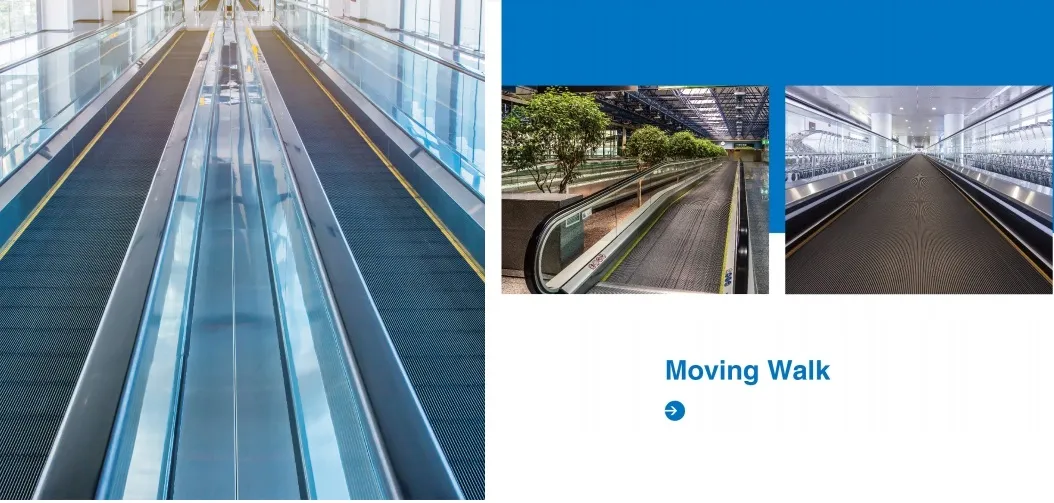
Moving walkways are engineering marvels that have transformed how we navigate crowded spaces, from airports to shopping malls. The unsung heroes of these systems are the pedals - the surfaces we actually walk on. Just as with building materials , selecting the right pedal material significantly impacts safety, durability, and operational costs. In this comprehensive guide, we'll explore the three primary materials used in walkway pedals: stainless steel, aluminum, and advanced polymers - examining their unique properties and where each shines in real-world applications.
When you step onto a stainless steel pedal, you're experiencing a material chosen for uncompromising performance in demanding environments. The chromium content forms an invisible protective layer that resists oxidation, making these pedals exceptionally durable in environments where moisture and chemicals are constant companions. This corrosion resistance translates directly to lower maintenance requirements and longer service intervals, crucial factors in high-traffic applications.
Engineers often turn to aluminum alloys when the need for reduced weight and faster installation takes priority. The weight advantage isn't trivial - aluminum pedals are typically 45-60% lighter than their stainless counterparts. This weight reduction cascades through the installation process, making mounting simpler and faster, while reducing stress on the overall structure. Recent aerospace-influenced coatings are enhancing corrosion protection significantly.
| Property | 6000 Series | 7000 Series |
|---|---|---|
| Strength | Moderate (Yield: 25,000 psi) | High (Yield: 70,000 psi+) |
| Corrosion Resistance | Good with protective coatings | Very good with specialized treatments |
| Cost | 30% below stainless | 25% below stainless |
| Weight Density | 2.7 g/cm³ (compared to stainless at 7.9) | |
| Hygiene | Requires protective sealant | Excellent with FDA-approved coatings |
The newest players in walkway technology, composite pedals made from reinforced polymers offer solutions to limitations that challenged metal alternatives. They tackle noise reduction at the source - absorbing rather than reflecting sound. This makes them particularly valuable in settings like libraries, museums, and healthcare environments where quiet is essential. The seamless surface design also eliminates crevices where debris could accumulate.
| Feature | Stainless Steel | Aluminum | Polymer Composite |
|---|---|---|---|
| Projected Lifespan | 15-25 years | 12-18 years | 10-15 years |
| Initial Cost | $$$$ | $$$ | $$$$ |
| Annual Maintenance | $350/m | $500/m | $180/m |
| Max Weight Load | 1500 kg/m² | 900 kg/m² | 500 kg/m² |
| Footstep Noise | High | Medium | Low |
| Thermal Conductivity | High | High | Low |
| Corrosion Resistance | Exceptional | Good (with coating) | Perfect |
The selection of pedal material represents a balance between multiple factors: traffic patterns, environmental conditions, acoustic requirements, budget constraints, and aesthetic considerations. There's no universal "best" solution - only the most appropriate solution for a specific context. For ultra-demanding environments where durability is non-negotiable despite higher costs, stainless steel continues to be the gold standard. Projects prioritizing budget and speed of installation should examine modern coated aluminum systems. Where noise reduction, comfort, or corrosive environments are primary concerns, engineered polymers present compelling advantages. Ultimately, the ideal choice emerges from careful analysis of operational requirements against material performance profiles.
As technology advances, we're seeing promising developments at the intersection of these materials - aluminum cores with stainless wear surfaces, polymer composites with embedded traction elements, and smart monitoring systems integrated into pedals. These innovations promise to further refine our material selections in future transportation infrastructure projects.
Recommend Products












