Why Proper Documentation Matters
Imagine you've spent weeks perfecting your PVC pipe fitting order – the precise specifications, the right suppliers, the perfect shipping timeline. Then... customs holds everything up because of a single missing document. Frustrating, right? Here's the reality: customs paperwork isn't just bureaucratic red tape. It's the passport that gets your goods across borders.
Complete documentation does three crucial things:
-
Prevents expensive delays at ports costing hundreds daily in demurrage fees
-
Avoids surprise charges that can slash profit margins
-
Builds your reputation as a reliable trade partner
-
Keeps shipments compliant with constantly changing regulations
Industry Insider Tip:
Customs brokers consistently report that 90% of clearance delays stem from incorrect or incomplete paperwork – not the actual goods themselves. Invest in documentation prep, and you invest in peace of mind.
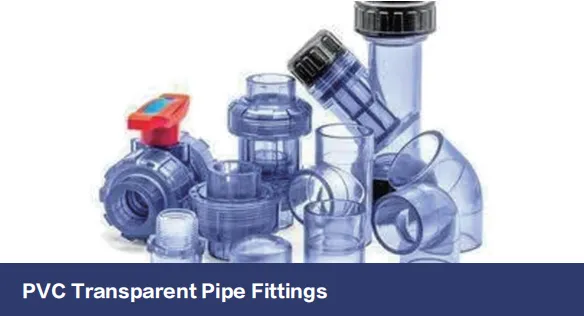
Before diving into paperwork, let's appreciate what makes PVC transparent pipe fittings special. Unlike opaque industrial PVC drain pipes, these see-through versions are like the lab coats of the piping world – designed for situations where visual monitoring is essential:
Where Transparency Wins
-
Chemical Processing:
Watching fluid flow without opening systems
-
Pharmaceutical Manufacturing:
Visual quality control checks
-
Food & Beverage Systems:
Monitoring sanitation processes
-
Research Facilities:
Observing experimental flows in real-time
This specialized application actually impacts your customs journey. Because transparent PVC often handles sensitive materials, officials pay extra attention to compliance certificates and material safety documentation.
Your Step-by-Step Clearance Roadmap
Clearing customs feels chaotic without a plan. Let's break it down into manageable stages:
Pre-Shipment Preparation
This is where proactive importers save themselves headaches. Before your vessel even leaves port:
-
Confirm your PVC fittings comply with destination country standards
-
Complete all commercial paperwork with matching details
-
Apply for necessary permits and licenses well in advance
-
Schedule pre-clearance review if available at destination port
Arrival & Initial Review
When your shipment arrives, customs officials start their document triage:
-
Initial document review for completeness
-
Cargo verification against paperwork
-
Duty and tax assessment
-
Assignment for physical inspection (if triggered)
The Inspection Phase
About 30% of shipments get opened for inspection. For PVC pipes, this often means:
-
Material composition verification
-
Safety compliance checks
-
Quality matching commercial specifications
-
Contamination screening (especially important for food/pharma grade applications)
Final Release & Post-Clearance
The finish line! Once duties are paid and all requirements satisfied:
-
Issuance of customs release notice
-
Coordination with warehouse for pickup
-
Record-keeping for future compliance audits
-
Post-clearance compliance verification updates
The Complete Documentation Checklist
Paperwork makes the customs world turn. Here's your master list:
The Essentials (Without These, Shipments Stall)
-
Commercial Invoice:
The cornerstone document showing value, quantity, and trade terms
-
Packing List:
The play-by-play of what's inside each container
-
Bill of Lading:
The legal GPS tracking your goods' journey
-
Certificate of Origin:
Your PVC fittings' passport showing manufacturing country
Specialized PVC Requirements
Because they're transparent and used in sensitive applications, you'll often need:
-
Material Safety Data Sheets (MSDS):
Showing chemical safety data
-
Quality Certifications:
Proof they meet standards like ISO, FDA, or WRAS
-
Plastic Resin Identification Codes:
Documenting polymer types
-
Chemical Compliance Affidavits:
Especially important for EU REACH regulations
Customs & Regulatory Documents
-
Import License/Registration:
Proof you're authorized to import these materials
-
Insurance Certificate:
Protecting your shipment's financial value
-
Inspection Certificates:
Pre-shipment verification documentation
-
Customs Bonds:
Guarantees for payment of duties
Navigating Regulatory Labyrinths
Different regions have varying "rules of the game" for PVC products:
North American Requirements
-
NSF/ANSI 61 certification for drinking water applications
-
CPSC compliance for consumer goods
-
Proposition 65 warnings if applicable
European union Protocols
-
REACH chemical compliance documentation
-
CE Marking for certain industrial applications
-
Detailed waste management documentation
Asian Market Expectations
-
JIS (Japan) or GB (China) standards certification
-
Additional fumigation certificates
-
Detailed production process records
Pro Tips for Painless Processing
After helping clear thousands of shipments, here are our field-tested suggestions:
Document Harmony Matters:
Ensure every document shows identical information. Discrepancies in weights, values, or quantities trigger immediate flags.
Timeline Buffers Save Sanity:
Build in 15-25% more time than you think for customs clearance. Weather, port congestion, and inspection backlogs all create unpredictability.
Technology Advantage:
Use customs management software to track document status and requirements. Platforms like Descartes and BluJay have saved clients up to 40 clearance hours monthly.
Know Your Partners:
Vet brokers and freight forwarders thoroughly. Ask for references from similar PVC product importers and confirm their specific experience with polymer shipments.
Stay Ahead of Changes:
Subscribe to customs regulation alerts for your target markets. The ASEAN Harmonised Tariff Nomenclature changed four times last year alone!
When Things Go Wrong
Even well-prepared shipments hit snatches. Here's how to respond:
Common PVC Clearance Hurdles
-
Classification Disputes:
When customs disagrees on HS code application
-
Valuation Challenges:
Disagreements about declared value and transfer pricing
-
Origin Verification:
Requests for proof of manufacturing location
-
Unexpected Testing:
Demands for additional laboratory analysis
Damage Control Protocol
If detained, immediately:
-
Request a detailed deficiency notice
-
Coordinate with local customs experts
-
Prioritize resolution by deadline
-
Document everything for possible appeal
Most importers discover that building rapport with customs officials and having detailed technical specifications upfront prevents most issues.
Building Your Compliance Confidence
Transform clearance from a cost center into a competitive advantage:
Create a "Green Lane" Packet:
Compile certifications, testing reports, and compliance records into an immediately accessible digital folder. Many ports offer expedited processing for documented low-risk importers.
Invest in Training:
Dedicate staff specifically to customs compliance education. Firms with trained specialists see 68% fewer clearance issues according to recent trade studies.
Relationship Matters:
Connect with customs officials before problems arise. Attend trade seminars, request compliance consultations, and build professional rapport.
Leverage Free Resources:
Use government programs like the U.S. Customs Trade Partnership Against Terrorism (CTPAT) and Canada's Partners in Protection. These significantly reduce inspection rates for compliant firms.
Conclusion: Your Clearance Compass
Think of customs documentation as the assembly instructions for your global supply chain. With PVC transparent pipe fittings – where specialized applications demand extra diligence – preparation makes perfect.
The most successful importers treat customs clearance not as an afterthought, but as a core business process. They integrate compliance into procurement decisions, maintain impeccable records, and build relationships with officials before problems arise.
Your transparent pipes let users see fluid dynamics in action. Let your customs strategy be equally transparent – well-documented, easily traceable, and consistently compliant. When you master this process, you gain more than smooth shipments; you gain competitive advantage through reliability and speed. That's how paperwork becomes a profit center.