
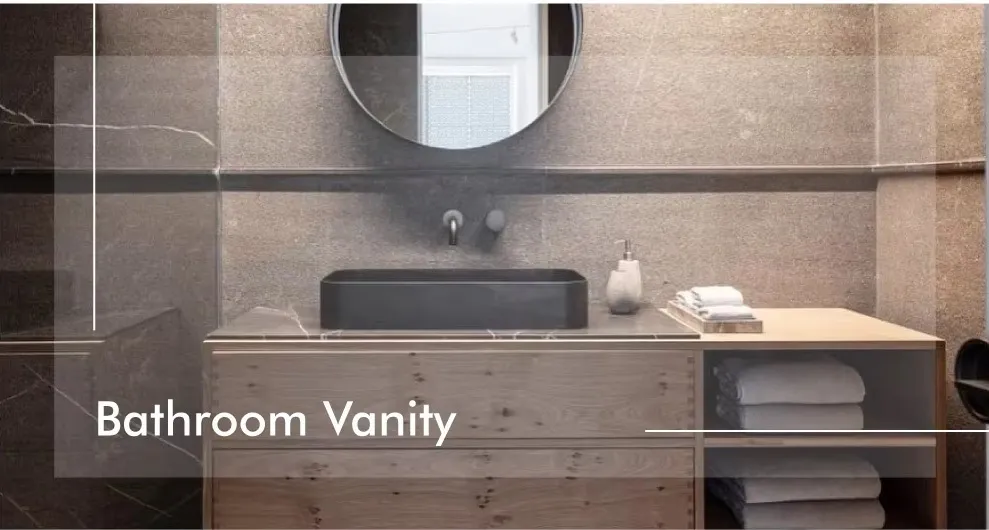
Choosing a bathroom vanity top is more than just picking something that looks good. It's about finding that perfect blend of style, durability, and practicality that'll stand the test of time – and morning routines. We've all been there: staring at a water stain on the counter, scrubbing away at soap scum, or wincing at that first chip in a brand-new surface. That's why understanding what each material offers beyond the showroom shine matters so much.
In this guide, we're rolling up our sleeves to compare ceramic, engineered stone, and solid wood vanity tops. We'll skip the jargon and sales pitches, focusing instead on real-life performance, maintenance truths, and how each material feels in your daily routine. By the end, you'll know exactly which surface deserves a place in your sanctuary.
Picture this: a Saturday morning, sunlight catching the subtle glaze of your ceramic vanity top as you splash water on your face. It's timeless for a reason. Ceramic tiles or slab surfaces bring that familiar, welcoming vibe to bathrooms. But let's be real – we're not just choosing them for their looks.
Why homeowners love ceramic:
Reality check downsides:
Pro tips for ceramic lovers:
Pick larger-format tiles to minimize grout lines in high-moisture zones. For integrated sinks, slab ceramic creates a sleek, continuous flow. Feeling adventurous? Try textured tiles for grip near wet areas. Porcelain tiles (a denser ceramic cousin) offer better water resistance for splash-prone spots.
Imagine running your hand across a cool, seamless surface that gleams like marble but laughs in the face of coffee stains. That's the engineered stone magic. Composed of 90% ground quartz/resin blends, it's science meeting sophistication.
Where engineered stone shines:
Tradeoffs to consider:
Living with engineered stone:
Treat it to gentle pH-neutral cleaners to keep resin binders happy. Pair with waterfall edges for contemporary spaces, or softened ogee profiles for traditional baths. Brands like Cambria and Silestone offer antimicrobial versions – great for family bathrooms. Remember though: unlike genuine stone, it won't develop a patina over time.
Close your eyes and feel it: the faint grain texture under your fingertips, the honey-toned glow in morning light, that subtle cedar scent after a steamy shower. Solid wood vanity tops bring living warmth into the most sterile spaces. But let's acknowledge the elephant in the room – using wood around water seems counterintuitive, doesn't it?
Wood's irresistible charm:
Guardian mindset required:
Making wood work:
Teak and white oak offer natural water resistance. Apply marine-grade epoxy finishes near sinks. Keep dish soap bottles on trays. Surrounding your wood vanity with SPC flooring provides a stylish and waterproof base that protects against spills. For modern spaces, pair with matte black faucets; for cottages, match with unlacquered brass.
| Feature | Ceramic | Engineered Stone | Solid Wood |
|---|---|---|---|
| Water Resistance | Good (with sealed grout) | Excellent (non-porous) | Fair (requires constant sealing) |
| Heat Tolerance | Excellent | Poor (scorches above 150°F) | Good (but may scorch) |
| Stain Resistance | Good (glazed surfaces) | Excellent | Poor |
| Daily Maintenance | Moderate (grout cleaning) | Low (wipes clean) | High (immediate drying needed) |
| Installation Cost (per sq.ft) | $2–$65 | $50–$200 | $60–$150 |
| Lifespan (years) | 15–25 | 10–25+ | 20–50+ (with care) |
| DIY Friendliness | Moderate | Poor | Good |
Quick Tip: Consider your bathroom habits honestly. If you're the "throw wet towels everywhere" type, engineered stone forgives. If you religiously use coasters and love character, wood grows more beautiful with your flaws. For those wanting pattern pop without commitment, ceramic offers an affordable playground.
Your vanity top shouldn't just sit there – it should talk to the rest of your bathroom. Here's how these materials vibe with different styles:
Modern/Minimalist Baths: Engineered stone in crisp whites or charcoal with waterfall edges creates gallery-worthy drama. Pair with floating vanities and wall-mounted faucets.
Farmhouse Charm: Wood tops (especially reclaimed oak) radiating warmth alongside clawfoot tubs and cross-handle faucets.
Coastal Retreats: Ceramic tiles in sea glass greens/blues with wide grout lines mimicking driftwood tones.
Maximalist Oasis: Go bold with Moroccan ceramic patterns or wood slabs featuring dramatic live edges.
Tiny Bathrooms: Light-reflective ceramic or pale engineered stone helps small spaces breathe.
Can I install heated flooring under any vanity top?
Yes, but be smart: Solid wood requires stable temperatures – don't exceed 85°F directly beneath. Ceramic and engineered stone handle heat better. Always install proper insulation layers.
Which material holds up best to teenagers?
Engineered quartz wins for acne cream spills and hair dye accidents. Go for darker patterns that hide stains during those inevitable "I'll clean it later" moments.
Are wood vanity tops sanitary?
Properly sealed wood isn't bacteria-happy. Studies show sealed wood surfaces inhibit bacterial growth better than plastic. Monthly mineral oil applications maintain this protection.
Can I cut vegetables on my bathroom vanity?
Please don't! Even though butcher-block wood and engineered stone might handle it, bathroom counters face different contaminants than kitchen counters.
How thin can vanity tops be?
Engineered stone: ¾" minimum, Ceramic slabs: ½" minimum, Wood: 1¼" minimum for stability. Thicker edges (2"+) create luxurious presence.
Final thought: Your vanity top endures coffee spills, steam clouds, late-night skincare rituals, and hurried mornings. Choose something that speaks to your spirit – whether that's the steadfast cleanliness of engineered quartz, the artisan soul of ceramic, or the organic embrace of solid wood. Because when you catch your reflection above that surface day after day, it should feel like home.
Recommend Products












