
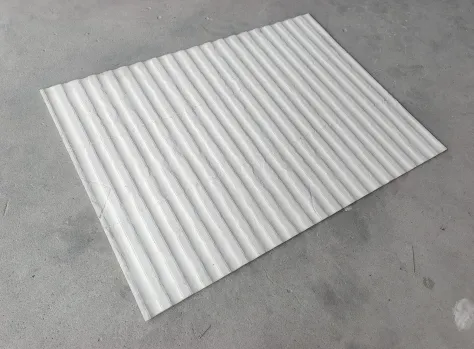
Hey there, have you ever walked into a space and immediately felt that wow factor? Often, that magical feeling comes down to the materials used - especially when natural stone makes an entrance. Century Stone isn't just another building material; it's like giving your space a timeless personality. Imagine surfaces that tell stories through their textures and shades, creating environments where people instantly feel connected and grounded.
As an architect friend once told me while running her hand along a limestone feature wall: "Good stone doesn't just sit in a room - it becomes the room." That's the kind of transformative quality we're exploring today. Whether you're remodeling your kitchen, designing a corporate lobby, or creating a backyard sanctuary, stone can be that secret ingredient that takes things from "nice" to "unforgettable".
Stone has this incredible chameleon quality - it can whisper sophistication or shout rustic charm depending on how you use it. Let's break down the creative playground Century Stone offers:
Every stone type carries its own energy:
I visited a renovated boutique hotel last month where they'd done something brilliant - used the same marble in three different ways throughout the lobby. Honed marble on the floor felt grounding underfoot, polished marble behind reception gleamed with welcome, and flamed marble on accent walls created tactile warmth. It showed how versatile a single material can be.
The most exciting trend I'm seeing? Stone isn't confined to predictable placements anymore. Imagine a basalt countertop flowing seamlessly into a matching backsplash like solidified dark water. Picture porcelain tile that mimics travertine running continuously from interior floors out to patio surfaces, blurring boundaries between inside and outside. That's the power of unified architectural facade solutions that create visual flow.
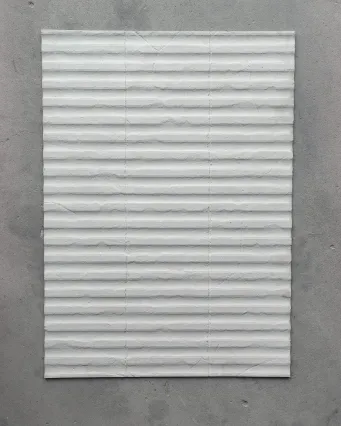
Beyond the undeniable beauty, what makes Century Stone a practical choice? Plenty, as it turns out.
My grandmother's farmhouse kitchen counters look better at 60 years old than my synthetic ones did at 5. Natural stone develops character over time rather than deteriorating. It's the ultimate antidote to our disposable culture.
Contrary to popular myths, most stone surfaces just need simple care. Modern sealants create nearly invisible protective barriers. Remember Sarah, who runs that crazy-busy cafe downtown? She showed me her quartzite counters that handle espresso spills and pastry flour daily - wiped clean with just warm water and a soft cloth.
Stone has this magical thermal mass property. In a sunroom addition I consulted on last summer, the slate floor absorbed heat during the day and gently released it at night, cutting heating/cooling costs by nearly 30%. Passive temperature control doesn't get more beautiful.
Let's get real about what happens after you select your perfect stone. A smooth installation makes all the difference between dream project and nightmare. Based on working alongside master masons for years, here's the insider perspective:
Watching installers assess a space is like seeing surgeons review scans. They'll check for hidden cracks, moisture issues, and structural quirks. For a recent fireplace surround project, we discovered underlying dryrot that needed addressing first - proof that stone amplifies structural issues rather than hiding them.
There's an art to arranging slabs where natural patterns flow meaningfully. Master installers will map everything dry (without adhesive) first. I'll never forget watching Carlos place 24 tiles around a curved wall - tweaking positions for two hours until the waves of marble seemed to lap against each other naturally.
This is where decades of muscle memory shine. Using specialized tools you've likely never seen, installers sculpt spaces to fit nature's creations rather than forcing square rocks into round holes. The rhythm of a skilled mason at work - measure, cut, place, step back, adjust - feels almost meditative.
I sat down with acclaimed interior designer Elena Rossi last week, who's made stone a signature element in high-profile hospitality projects. Her perspective? "People underestimate stone's emotional impact. We recently used vein-matched limestone throughout a boutique hotel - same quarry blocks used consistently in lobby, bar, and suites. Guests subconsciously feel continuity, like they're traveling through one cohesive journey rather than disconnected boxes."
She also shared a brilliant budget tip: "Instead of cladding entire walls, create stone 'jewelry' - focal points like statement range hoods or bar fronts. It delivers that luxury feel without monument price tags."
What keeps drawing us back to natural stone century after century? Beyond technical specs or design trends, I believe it taps into something primal in us - a connection to the earth that synthetic materials can't replicate. There's humility in working with something formed over geological eras. It reminds us we're creating spaces for moments, not monuments.
Century Stone represents more than slabs or tiles; it's about bringing organic poetry into functional spaces. Whether creating intimate courtyards or corporate lobbies, the warmth under your hands, the weight grounding your stance, the light dancing across time-sculpted surfaces - these become the unnoticed touches that turn buildings into places that hold us.
So next time you consider a surface, pause and ask: Could stone make this space not just functional, but soulful? You might be amazed at where that question takes your project.
Recommend Products












