
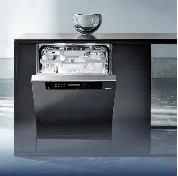
Picture this: It's the middle of lunch rush in a bustling corporate cafeteria. Hundreds of employees are lined up, plates are flying off the counter, and at the dishwashing station, things are getting dicey. That's exactly when your commercial dishwasher decides it's had enough. Game over. You're suddenly staring at a mountain of dirty dishes with no backup plan.
Listen, friend - I've been there. I've seen central kitchens crash and burn over equipment failures that could've been prevented. That's why today we're going deep on why a heavy-duty dishwasher isn't just nice-to-have, but an absolute must-have. And while we're at it, we'll explore how cold chain integration can literally save your operation from expensive disasters.
Here's the real talk: Your central kitchen is like the heart of your food operation. When it pumps well, everything runs smoothly. But when key equipment fails? It's like a cardiac arrest for your business. Don't let that happen. Invest in the right tools from day one.
Let's be honest - dishwashers don't get the glory. When people dream of opening food businesses, they imagine gleaming stoves and fancy knife sets. But here's what industry veterans know: Your dishwasher keeps the entire operation moving. Think about it - without clean plates, pans and utensils, even the most talented chef becomes useless.
Commercial dishwashers aren't just bigger versions of home models. These beasts handle thousands of pounds of dishes daily at temperatures that kill pathogens on contact. We're talking water temps hitting 180°F (82°C) - hot enough to sanitize without chemicals. That's crucial when you're feeding hundreds or thousands daily.
What separates the pros from the amateurs? Understanding the science behind dishwashing. Properly maintained machines:
Perfect for satellite kitchens. Fits tight spaces but still delivers professional-grade cleaning at 50-100 racks/hour.
The workhorse for large operations. Cleans 200-500 racks/hour continuously without stopping. Your solution for stadiums or universities.
Heavy-duty option for banquet facilities. Customize racks for oddly-shaped pans and specialized equipment.
Slash operational costs by up to 40%. Features like heat recovery turn waste into savings.
Pro tip: Always calculate "cost per rack" when comparing machines. That $5k cheaper model might cost you thousands extra annually in water and energy bills.
Now let's shift gears to something equally critical but way less understood: cold chain management. I've seen too many kitchens waste thousands on spoiled ingredients because they didn't nail this.
The cold chain is like the central nervous system of your kitchen. It starts when produce arrives at your loading dock and continues through prep, storage, distribution, and final serving. Break that chain anywhere, and you're risking safety issues and throwing money away.
Where most operations fail? Temperature monitoring gaps. Here's how to ace it:
Reduce cooked food from 160°F to 38°F in under 90 minutes. Prevents bacterial growth during cooling.
Continuous monitoring with cloud alerts if temps stray from safe zones. Your digital insurance policy.
Rapidly cools liquids and sauces while preserving texture and flavor integrity.
Temperature-controlled carts that maintain precision conditions during satellite delivery.
Case study: A university dining hall we worked with reduced food waste by 62% after implementing cold chain monitoring. That translated to $38,000 annual savings just from better ingredient management.
Here's the bitter truth nobody tells new operators: Buying equipment is only 40% of the battle. Maintaining it separates successful kitchens from bankrupt ones.
Create a daily ritual:
Set calendar reminders religiously. That five minutes spent checking your dishwasher's spray pattern today could prevent eight hours of downtime tomorrow.
While dishwashers and cold chain solutions are non-negotiables, your supporting equipment determines efficiency. Let's break it down:
The Swiss Army knife of cooking - steam, convection, or combo cooking in one unit. Cut cook times by 30%.
Brown 50 lbs of meat in one shot. Use for braising, frying, or boiling - then tilt to pour directly into hotel pans.
Extend ingredient shelf life 3-5x with sous vide capabilities. Game changer for prep kitchens.
Storage isn't sexy, but it's where food costs live or die. Implement these:
Robotic systems that bring ingredients to you. Slash search time by 85% while optimizing space.
FIFO (First-In-First-Out) systems that automatically rotate stock. Eliminate spoilage from forgotten items.
See everything at a glance. Reduces energy waste from door opening searches.
Remember: The best equipment is pointless without proper planning. Walk your kitchen flow patterns constantly. That extra 15 steps your staff take daily to access plates? That adds up to miles of wasted movement yearly.
Great kitchen design isn't about looking Instagram-worthy. It's about eliminating frustrations before they happen. Some battle-tested principles:
The magic happens when you combine robust equipment with smart workflows. That stainless steel worktable isn't just a surface - it's potential energy waiting to be optimized.
With thousands of equipment options, how do you choose wisely? Follow this decision matrix:
Ask: "How many specialized technicians know this system locally?" Stick with repairable standards.
Choose modular equipment that grows with menu changes. Fixed-configuration tools become anchors.
Calculate lifetime kWh consumption. That Energy Star dishwasher pays dividends for a decade.
Choose intuitive interfaces. Complicated machines slow turnover during staff changes.
Here's my golden rule: Always demo equipment with your actual ingredients before buying. That slicer that looked perfect in the showroom? Might be useless for your specific vegetable sizes.
Fancy machines are worthless without trained operators. Implement these training essentials:
Build a culture where staff feel comfortable reporting early warning signs. That strange vibration your dishwasher made yesterday? That's tomorrow's catastrophe if ignored.
The food industry evolves rapidly. Protect your equipment investments with these strategies:
Choose IoT-compatible equipment that reports performance data to the cloud for predictive maintenance.
Purchase equipment with conversion kits - that convection oven could become a combi-steamer with $800 upgrade.
Negotiate maintenance contracts with performance clauses - payment tied to uptime statistics.
And never forget: Standardize wherever possible. Mixing equipment brands creates spare parts nightmares and increases training complexity. Simplicity scales.
Ultimately, your equipment choices reflect your operational philosophy. The stainless steel worktable isn't just a surface - it's hundreds of future meals. The commercial dishwasher isn't just cleaning plates - it's upholding food safety standards. The cold chain monitoring isn't paperwork - it's customer trust made visible.
By investing thoughtfully in both equipment and workflows, you're not just building a functional kitchen - you're creating resilience. When the next supply chain disruption hits or your head chef leaves unexpectedly, your robust systems will carry you through.
Final takeaway: The mark of a truly professional kitchen isn't shiny equipment. It's equipment that's cared for and optimized until it becomes an invisible partner in your daily success. That's when the magic happens - when great tools help great people create food excellence consistently.
Recommend Products












