
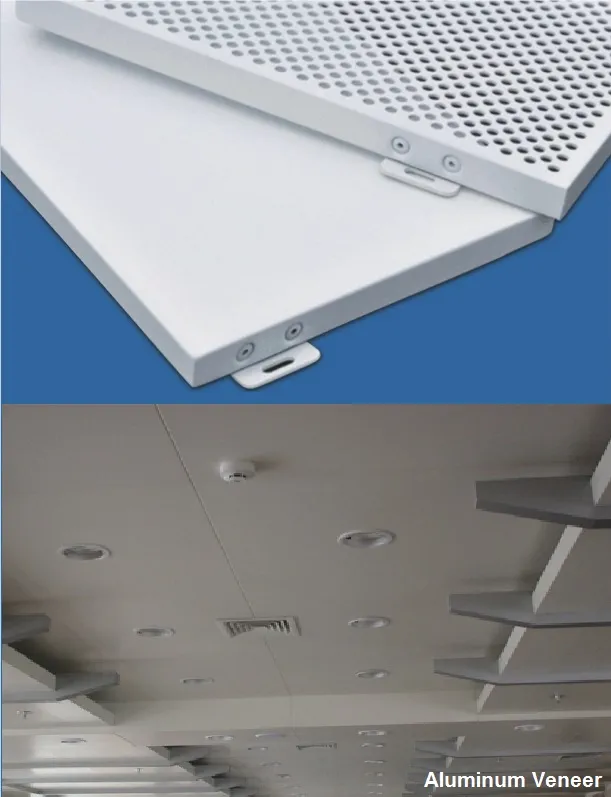
When it is time to buy ceilings for a project, one of the first questions buyers ask is whether they should deal with a ceiling manufacturer or a ceiling supplier. The two terms are often used as if they mean the same thing, but they describe very different ways of doing business. Understanding the difference can save you money, time, and a fair amount of frustration.
A manufacturer owns the production line. A supplier, by contrast, buys from factories and resells. Both can deliver a product that looks identical, yet the way they price, support, and respond to you is not the same. This article compares the two models so you can decide which one fits your project.
A manufacturer produces ceiling panels, tiles, and related systems in its own facility. Because there is no middleman in the chain, factory-direct pricing is usually more attractive on large orders. You also get direct access to the people who control the production process, which matters when you need:
The trade-off is that most factories are built around their own production lines. Their product range is limited to what they make, and they usually expect higher minimum order quantities. A small renovation job, or a project that needs products from several brands at once, is not always a good fit.
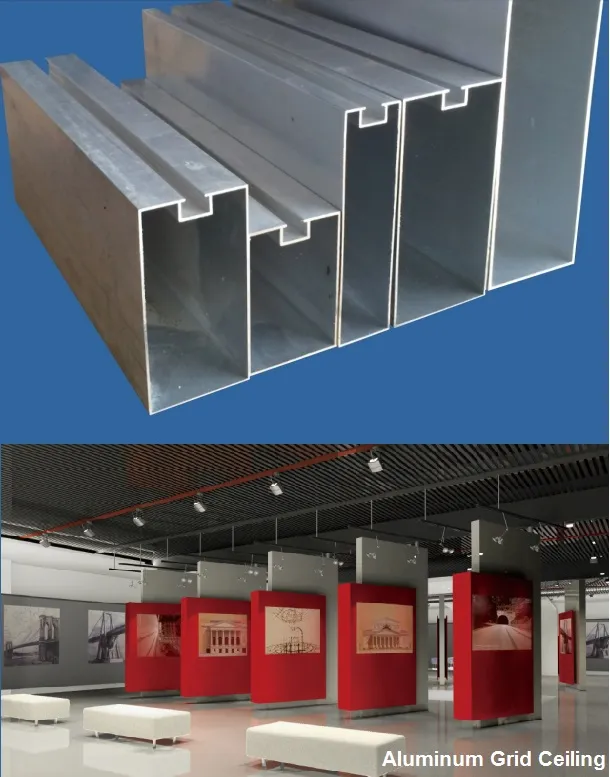
A supplier does not manufacture. Instead, it sources from a network of factories and offers a wider selection. This is a real advantage when your project mixes different materials, such as a ceiling system combined with lighting, partitions, and flooring. A reliable ceillings supplier can usually offer:
The main drawback is cost. Because the supplier adds its own margin, per-unit prices can be higher than factory-direct on very large, single-product orders. Quality can also vary if the supplier does not keep a close eye on the factories it works with, so it pays to check their sourcing practices before you commit.
| Factor | Ceiling manufacturer | Ceiling supplier |
|---|---|---|
| Price on large orders | Lower, no middleman | Higher, adds margin |
| Product range | Limited to own lines | Wide, multi-brand |
| Customization | Strong on own products | Depends on the factory |
| Minimum order quantity | Usually high | More flexible |
| Lead time | Follows production schedule | Stock plus production |
| Technical support | Deep on own products | Broad across categories |
| After-sales service | Direct from the factory | Coordinated through factories |
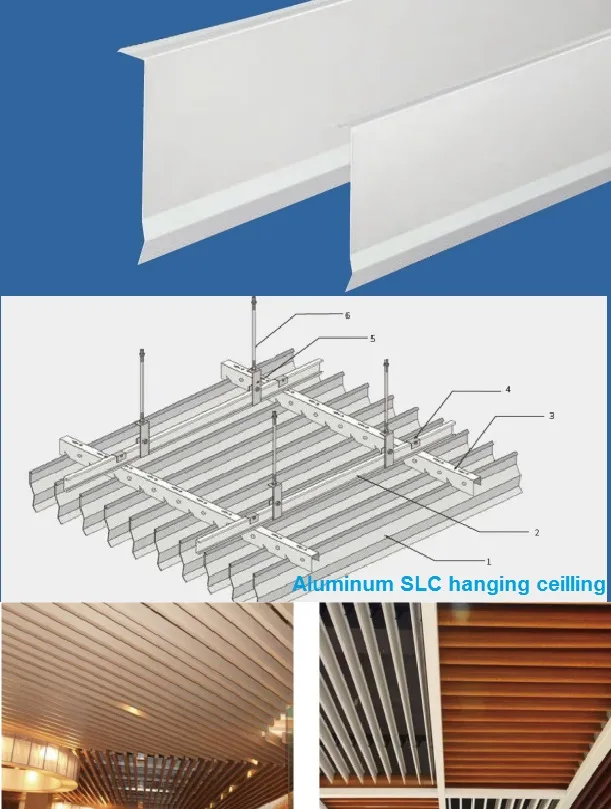
Before you start calling around, ask yourself three questions.
1. How fixed is your specification? If the design is locked and you need a large quantity of one product, a manufacturer usually gives the better price. If the spec is still changing or the client is undecided, a supplier can adapt more easily.
2. How many product categories does the project involve? A project that needs ceilings, walls, lighting, and sanitary ware in one shipment is far easier to manage through a single supplier than through several factories.
3. What happens if something goes wrong? For moisture-prone or fire-rated areas, traceability matters. Ask whoever you work with whether they can provide test reports and batch traceability before you sign anything.
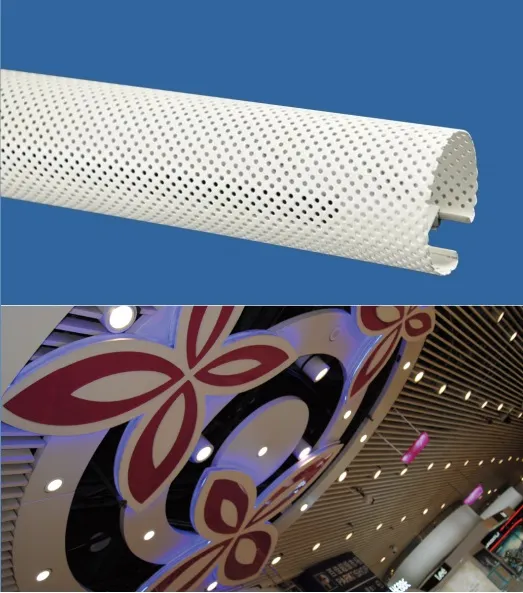
Whichever route you choose, do not skip the basics. A few checks at the start can prevent expensive problems later:
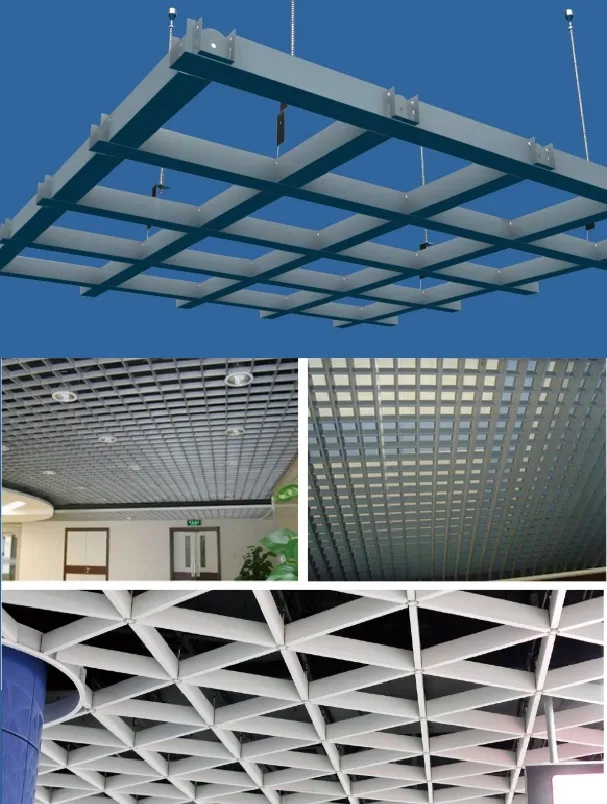
For many buyers, the real question is not manufacturer versus supplier but how to reduce the number of vendors they have to manage. A one-stop building material supplier that works closely with factories can offer factory-level quality control and supplier-level flexibility at the same time.
COLORIA GROUP is one example. It is a building material supplier based in Foshan, China, covering 13 categories from ceilings and walls to lighting, sanitary fixtures, and customized furniture. Because the company works directly with its production partners and keeps an agent in Saudi Arabia, buyers get coordinated sourcing, consistent quality checks, and a single point of contact across the whole project. For projects that combine a ceiling system with other interior finishes, that kind of coordination often matters more than shaving a few cents off a single product. If you are looking for a ceilling supplier that can handle the rest of the fit-out as well, this is the kind of partner worth comparing.

There is no universal winner in the ceiling manufacturer versus ceiling supplier debate. Manufacturers win on price and customization for large, single-product orders. Suppliers win on flexibility, range, and convenience for mixed projects. Match the model to your project profile, verify the partner before you commit, and you will avoid most of the problems that come with buying ceilings the wrong way.
Recommend Products












