

Where stone walls whisper legends and turrets touch the clouds
Have you ever stood before an ancient castle, feeling simultaneously swept into a fairy tale while sensing the unshakable power in its stones? There's magic in how these buildings balance enchantment with authority, fantasy with fortification. Castle rock architecture - in its historic and contemporary forms - achieves this extraordinary blend of wonder and might. Unlike any other style, it transports us while grounding us, tells stories while standing as monuments to human ambition.
Castles weren't built on whimsy alone - every turret and tower served strategic purposes. What makes them uniquely captivating is how necessity birthed beauty. From the soaring heights of Neuschwanstein in Bavaria to the smallest cottage inspired by storybook drawings, castle architecture bridges our deepest childhood dreams with grown-up realities of shelter and security.
The modern castle-inspired home captures this same spirit without needing moats or ramparts. Designers create illusions of grandeur through clever proportions, romantic details, and quality building materials that suggest heritage. A stone-clad façade might guard your comfortable living space. A mini-turret could become your reading nook. What was once built for defense now defends our need for wonder.
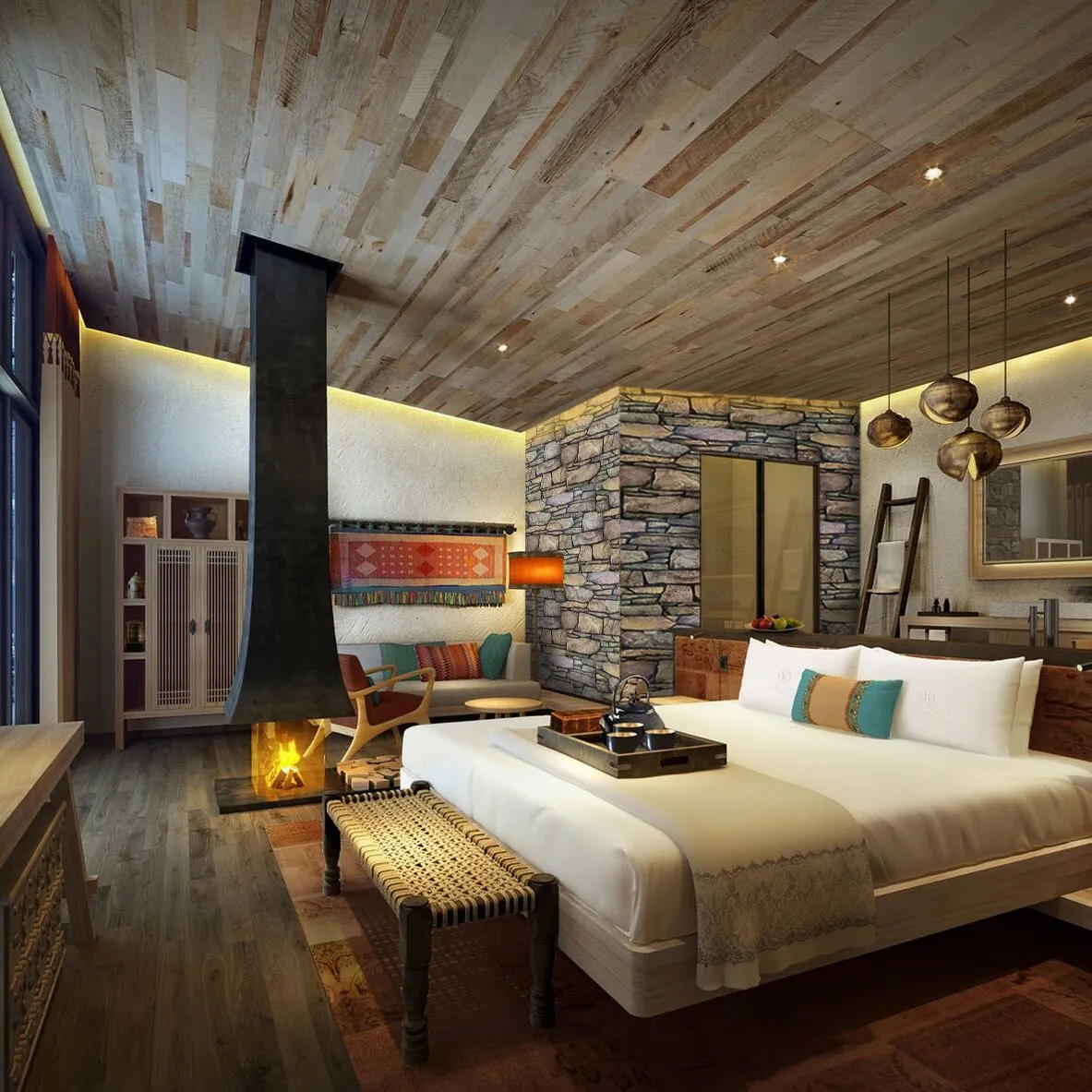
Perhaps the most iconic castle feature, turrets originally served as observation posts and defensive structures. Today, they manifest as cylindrical protrusions topped with cone-shaped roofs, creating vertical drama. In modern interpretations, towers become cozy reading nooks or statement staircases rather than military installations.
Massive stone walls don't just impress visually - they radiate permanence. Ancient castles used locally quarried limestone, granite, and sandstone blocks painstakingly stacked. Contemporary homes achieve similar grandeur with stone veneers, textured concrete, or even polyurethane wall panels designed to mimic centuries-old masonry at a fraction of the weight.
Pointed Gothic arches or rounded Romanesque portals mark transitions between worlds. Entryways were designed for protection first, but their imposing beauty became legendary. Modern homes adapt arched doorways, gate-like timber doors, and portcullis-inspired metalwork that whispers of drawbridges without requiring actual fortifications.
Forget perfect symmetry - castles evolved organically around terrain and purpose. Turrets sprouted where visibility demanded. Wings extended to contain growing families. This delightful irregularity creates a handcrafted aesthetic impossible to replicate precisely. Today's architects embrace purposeful imbalances to evoke that same storied character.
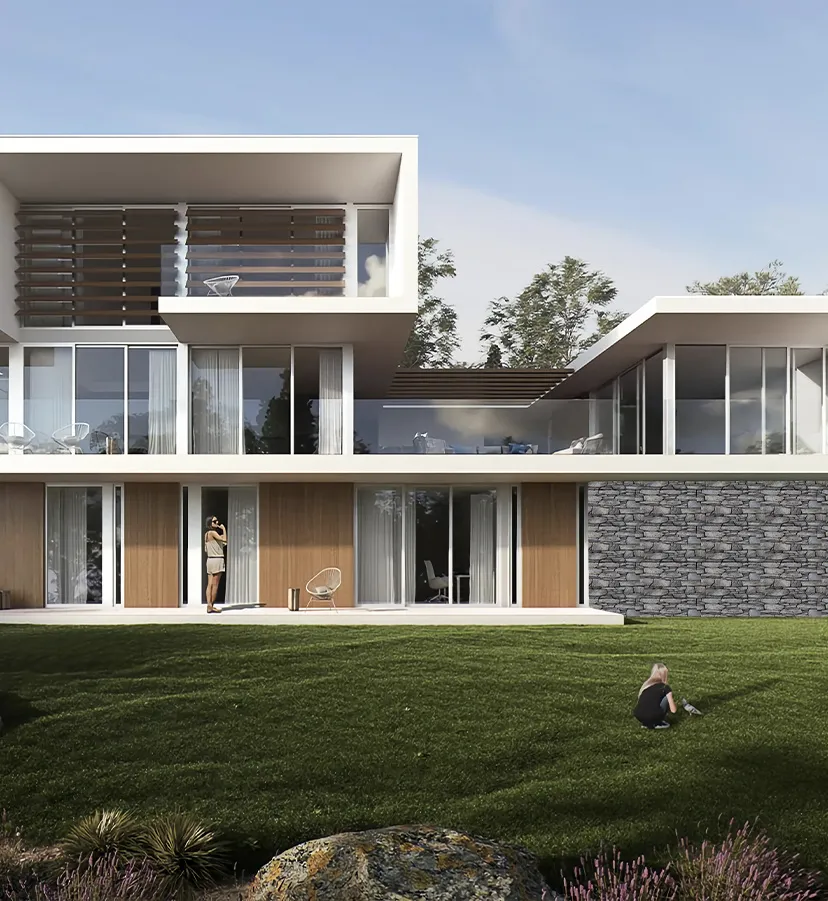
No discussion of castle architecture can ignore Bavaria's "Fairytale Castle." Commissioned by the eccentric King Ludwig II, Neuschwanstein wasn't born of defense requirements but pure romantic imagination:
What's fascinating about Neuschwanstein is how it blends medieval inspiration with 19th-century innovations. While its white limestone façade and sky-piercing towers reference 12th-century Romanesque design, King Ludwig included revolutionary comforts inside:
This improbable combination—historical exterior armor wrapped around modern conveniences—set a template architects still follow. Homes today integrate smart climate controls and entertainment systems within structures that appear centuries old.
From Scottish Highlands to California coasts, castle-inspired homes bloom in surprising places. Contemporary architects reinterpret historical elements with modern materials and lifestyles:
More cozy than imposing, this estate feels like stepping into a storybook with a twist. Victorian turrets rise beside contemporary glass walls, creating a dialogue between tradition and innovation. Inside, you won't find suits of armor but perhaps a gourmet kitchen wrapped in reclaimed timber beams.
Rugged stone base levels soften into warm wooden balconies high among the peaks. This design respects its brutal environment while embracing comfort—massive hearths warm snow-dusted interiors after skiing. The architecture doesn't fight the mountain but partners with it in breathtaking harmony.
In the heart of bustling cities, architects prove castles can rise against glass skyscrapers. Pointed arches and intricate tracery create dramatic residential façades on busy streets. These homes stand as fortresses against urban chaos, their high walls protecting tranquility just as effectively as ancient battlements.
The most successful designs balance theatricality with livability. You might have a grand stone foyer that transitions into sunlit modern spaces. A miniature turret becomes a charming breakfast nook rather than an archer's perch. Castle rock architecture endures because it evolves.
Original castles depended on whatever stone lay nearby—local granite, limestone, or sandstone. Timber framed roofs and supported interior floors. Builders worked with natural constraints: thick walls for insulation, small windows to conserve heat and aid defense.
Today's architects borrow the visual language of stone while embracing modern advantages:
The magic happens through layering—a foundation of authentic stonework might transition to lighter modern materials above. Strategic authenticity maintains the castle spirit without unnecessary expense.
Castles inherently project authority through:
Perched on hills or constructed on elevated foundations, castles literally look down upon their surroundings. This positioning created tactical advantages historically but today translates to superior views and psychological impact. Approaching an uphill driveway builds anticipation before revealing the home.
Think drawbridges, imposing gates, and guarded passages designed to humble visitors. Modern homes create similar psychological journeys—winding paths, layered courtyards, or arched thresholds that signal transitions from mundane world to personal sanctuary.
Steep roofs, strong vertical lines, and massing that appears rooted to the earth all project stability. Architects manipulate proportions to achieve this effect without literal fortifications—a deep roof overhang implies protection, thick columns suggest permanence.
Battlements allowed defenders to observe without being seen. Contemporary adaptations include strategically placed windows, balconies screened by turret walls, and landscaping that preserves privacy while maximizing outward perspectives. You survey your world like royalty.
But castle architecture isn't all strength and dominance. Its enchanting qualities come from:
Whimsical Details: Weathervanes shaped as dragons, stained glass depicting legends, hand-forged ironwork curling like enchanted vines—these touches evoke childhood storybooks. Even simple arched niches become spots for woodland sculptures.
Textural Poetry: Rough stone contrasting with smooth timber. Ivy climbing ancient-looking walls. Pebbled pathways winding toward arched doorways. Layers of material and light create visual stories we instinctively connect with fantasy.
Light & Shadow Play: Castles excel at dramatic illumination. Arrow slits focused sunlight into swords of brilliance. Today, architects craft window placements that dapple interiors with shifting light patterns throughout the day. Evening turns turret bedrooms into shadowy chambers awaiting adventure.
Curves and Verticality: Spiral staircases ascend toward tower rooms. Barrel-vaulted ceilings curve like ancient halls. These elements carry us upward and inward, away from predictable boxes into spaces that spark imagination.
We continue building castle-inspired structures because they tap into deep psychological needs:
Massive walls speak of protection. They satisfy our instinctive need for shelter against life's metaphorical storms. Castle elements help homes feel like secure enclaves in chaotic times.
For those without inherited estates, castles offer a taste of permanence and lineage. The architecture implies generations have lived within these stones—even if the home is newly built. It roots us in something timeless.
Adult life seldom encourages enchantment. Castle architecture invites us back into magical thinking. Ordinary moments—like watching rain from a turret window—feel infused with storybook potential.
By pairing immense stone façades with intimate garden courtyards, grand hall staircases with cozy window seats, castle design achieves perfect emotional balance. It offers both inspiration to dream and grounded strength to achieve.
From medieval fortresses to contemporary interpretations, castle rock architecture remains uniquely powerful because it speaks to both halves of the human spirit—our need for security and our longing for magic. Its stone walls promise shelter while turrets reach toward possibility.
Contemporary castle-inspired homes aren't replicas but reinterpretations. They exchange battlements for sustainable design, swap dungeons for media rooms, trade ancient stone for innovative composites. But at their core, they preserve the castle's magical balance of might and myth.
The next time you pass a building with stone cladding, arched portals, or playful turrets, look beyond the architectural elements. See the dreams set in stone—the fairytale that dares to endure. Castle rock style isn't about medieval reenactment; it's about capturing what castles represented: our eternal desire for sanctuary touched with wonder.
In a world of disposable designs, castles stand as reminders that beauty built to last becomes legend. They show us that even in our homes, we can be both king of our domain and child in a wonderland. That balance—between fairy tale and fortress—is architecture's most enchanting achievement.
Recommend Products












