

How Castle Rock is mastering aesthetics and fiscal responsibility in municipal development
Picture this: you're driving through Castle Rock, Colorado, and something catches your eye. It's not just another municipal building - it's got character, style, and that unmistakable Colorado charm. The walls aren't just functional barriers; they tell a story, create mood, and make you feel something. That's no accident, friend. It's the result of the town's Theme Project initiative, where we're proving you can have both show-stopping design and ironclad budget discipline.
Over at Town Hall, Janet Miller, our lead project manager, puts it perfectly: "We used to treat buildings like boxes to store people and paperwork. Now? We see every exterior wall as the town's business card - it's the first impression we give residents and visitors." And let me tell you, that mindset shift has changed everything.
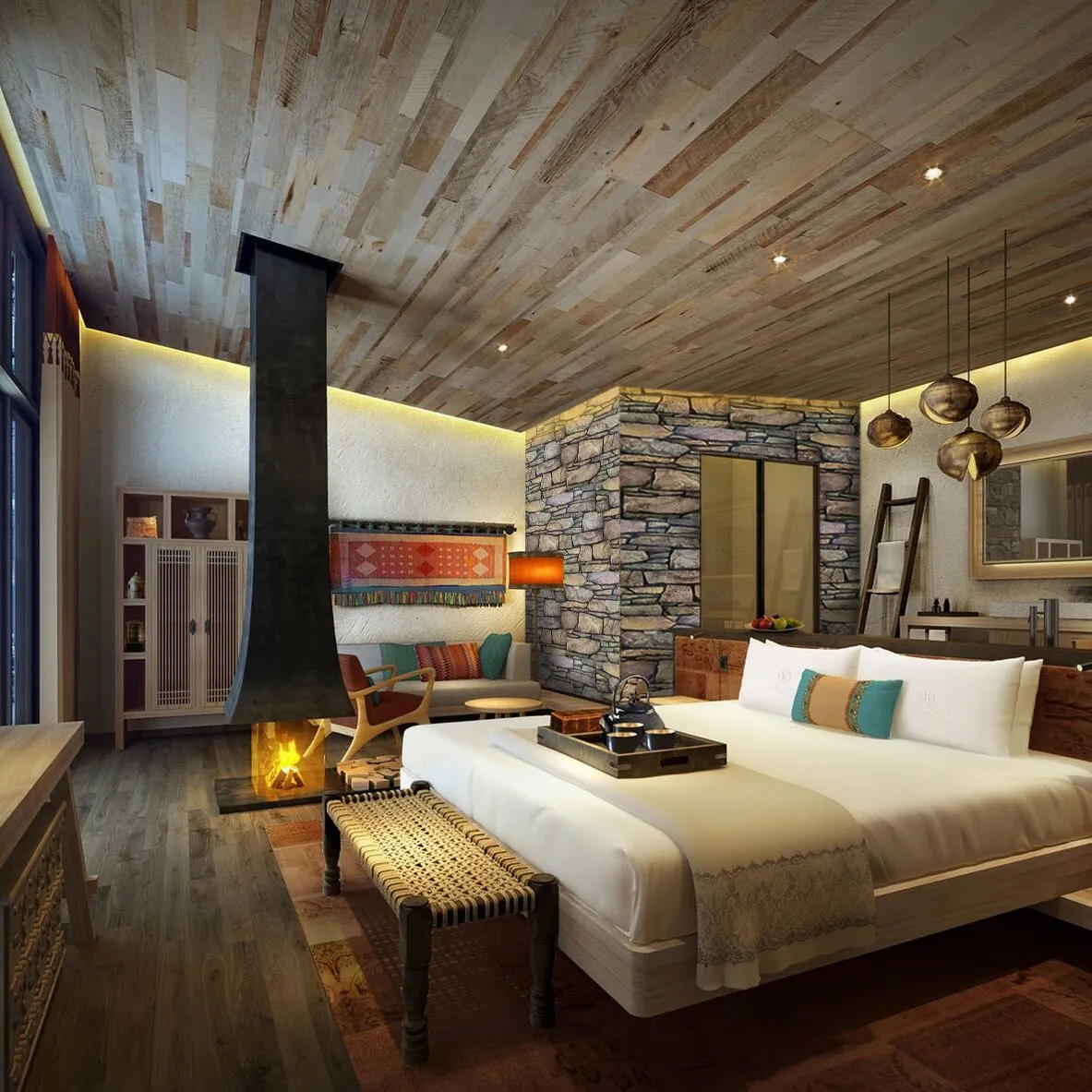
Innovation Highlight: Our utilities building features textured MCM cladding panels that mimic native sandstone formations while providing exceptional weather resistance. These architectural facade materials changed the game for our maintenance facilities.
Now, I know what you're thinking: "Fancy walls must cost a fortune!" Well, hold that thought. See, back in 2023, we had this lightbulb moment during the Water Administration facility redesign. Instead of treating design and budget like rivals, we made them dance partners. And wow, did they learn some moves!
Our approach breaks down to three non-negotiables:
Robert Chavez from Finance shares: "What used to be budget overruns now come in under projections regularly. Last quarter's Town Hall addition? Came in 12% under thanks to value-engineering the façade elements without sacrificing an ounce of visual appeal."
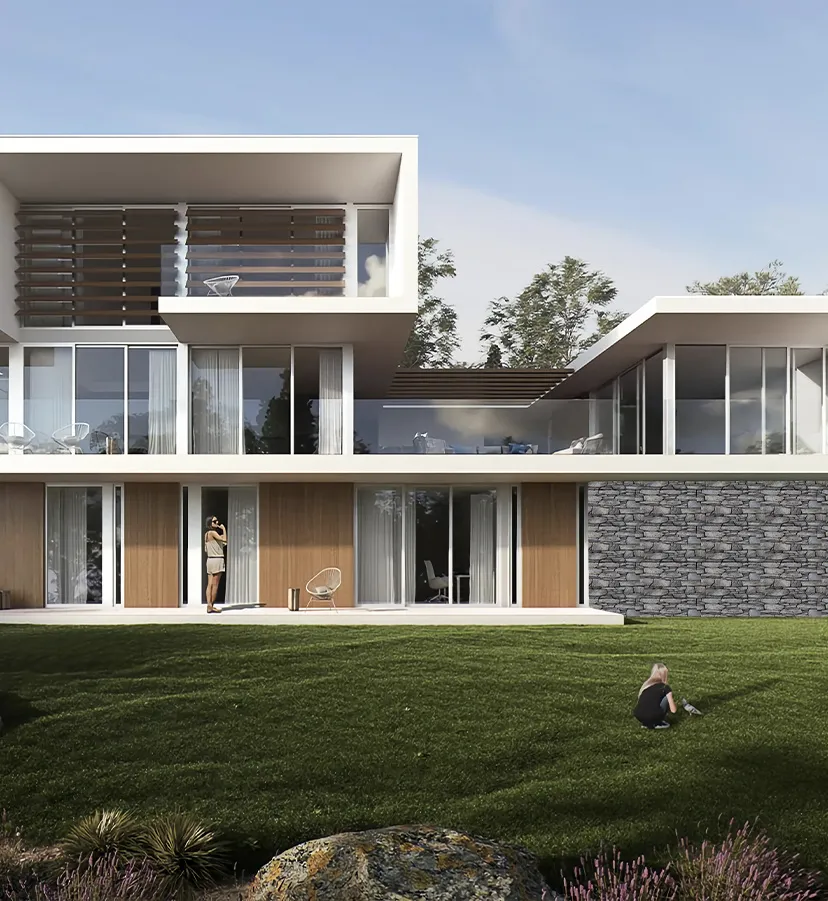
Okay, let's geek out a little on the fun stuff - the actual wall magic happening around town. Remember that boring operations building off Wilcox? Gone. In its place stands what locals call "The Canyon Wing" thanks to these incredible layered panel effects mimicking Mesa Verde cliff faces.
Behind the Scenes: We used composite panels with integrated waterproofing layers instead of traditional wall systems with separate weather barriers. Cut installation time by 40% and gave us that crisp shadow-line detailing architects drool over.
Then there's the genius at Crystal Valley Elementary. Teachers kept complaining about harsh afternoon glare in classrooms. Our solution? Kinetic wall louvers that students can actually adjust throughout the day. They're learning about solar angles without even realizing it! Principal Alvarez jokes that "it's the world's most expensive math manipulative" but admits disciplinary issues dropped 18% in west-facing rooms.
Some other crowd-pleasers we've rolled out:
None of this happens by accident. Our secret weapon? Cross-departmental "Theme Teams" that stick with projects from blueprint to ribbon-cutting. Dave Chen, a 20-year public works vet, admits he was skeptical at first: "Used to be us construction guys would get handed some architect's fancy plans and have to make miracles happen. Now? Architects sit in our maintenance meetings. We visit material suppliers together. It's less handoff, more huddle."
Our budget office even has "aesthetic analysts" (real job title!) like Sofia Ramirez who translate design dreams into line items. She showed me her workflow for the new transportation hub project: "See this cascading wall treatment? Looks complex but actually saved $200K by eliminating costly waterproofing membranes needed for traditional detailing."
Like any good initiative, we're constantly evolving. Our Materials Innovation Lab tests prototypes year-round – currently obsessed with self-cleaning exterior coatings that would save thousands in maintenance. And through partnerships with Colorado School of Mines, we're piloting solar-integrated wall panels that double as power generators.
The results speak volumes. Beyond the savings and compliments, these projects have sparked something bigger. Local artist collectives now sponsor façade elements through the "Wall Patch" program. Rotary Club volunteers maintain our Downtown Heritage Walls. And developers constantly ask to join our quarterly design reviews because they've seen how it translates to higher property values.
Looking Ahead: Next phase includes interactive digital façades at the Civic Plaza that'll display community art submissions while collecting solar energy. Budgeted at 30% less per square foot than our inaugural projects thanks to lessons learned.
Mayor Helen Woods puts it in perspective: "What began as an experiment in municipal beautification became this powerful economic driver. Tourism dollars up 15%. Local contracting opportunities expanded by 22%. We stopped asking 'can we afford nice things?' and started asking 'how smart can we make every dollar we spend?'"
If you're reading this from another municipality wondering if this approach could work for you – absolutely. Start small: identify one boring wall at a high-visibility building. Engage local design students for fresh ideas. Partner with material suppliers for in-kind donations. Track not just costs but community response. You might just discover, like we did, that when you stop seeing walls as boundaries and start treating them as conversations, magic happens.
The old way of thinking? "Walls should be cheap and last forever." The Castle Rock way? "Walls should earn their keep by lifting spirits, sparking conversations, and serving multiple functions." Turns out doing good design doesn't cost more - it pays differently. And we'll take that return on investment any day.
Recommend Products












