There's something undeniably magical about
stone walls. They whisper stories of ancient castles, medieval fortresses, and timeless craftsmanship. But let's be real—authentic stone masonry is expensive, heavy, and frankly, a pain to install. That's where Castle Rock stone veneer comes in. It’s not just an alternative; it's a revolution in architectural design that gives you all the rugged charm of centuries-old stonework without the backbreaking labor or budget-busting costs.
Picture this: You pull up to your home after a long day, and instead of seeing plain siding or basic brick, you're greeted by textured, hand-chiseled stone that makes your house look like it's straight out of a fairy tale. That's the power of Castle Rock—it turns ordinary spaces into extraordinary statements.
What Exactly is Castle Rock Veneer?
Castle Rock stone veneer isn’t your average facade. It's a meticulously engineered architectural product designed to replicate the look and feel of authentic quarried stone—like those stunning blocks you’d find in European castles or Scottish fortresses. Made from high-quality concrete blends and natural mineral oxides, each piece captures the essence of hand-hewn stone with remarkable precision.
The Hallmarks of True Castle Rock Style
What sets Castle Rock apart? Three key characteristics:
• Oversized Rectangular Blocks
: Forget small, uniform stones. Castle Rock features generously proportioned slabs (typically 4"-8" tall) that mimic the grand scale of historical stonework. They create bold lines and a clean yet rustic profile that demands attention.
• Organic Textures
: No two pieces are identical. The surface shows intentional chisel marks and uneven contours that replicate centuries of weathering and craftsmanship. Run your hand over it, and you'll feel ridges, grooves, and subtle variations that say "authentic."
• Earth-Toned Palette
: Castle Rock echoes nature’s color story. Think deep charcoals, warm greys, earthy tans, and silvery hues that blend seamlessly with natural surroundings. Unlike glaring modern synthetics, these tones age gracefully and adapt to any environment.
Why Castle Rock Beats Traditional Stone
Weight Matters: Your Structure Will Thank You
Natural stone? Beautiful but
brutally heavy
. Castle Rock veneer is about 75% lighter, meaning you don’t need reinforced foundations or structural overhauls. This makes it perfect for retrofits, second-story accents, or DIY projects where heavy machinery isn’t an option.
Built Tough: Stands Up to Nature’s Fury
Engineered for resilience, Castle Rock withstands freeze-thaw cycles, UV exposure, and heavy rain without cracking or fading. Its integral pigments mean color stays true for decades—no seasonal repainting needed.
Budget-Friendly Grandeur
Getting the look of premium stone masonry can cost 3-4 times more than veneer. With Castle Rock, you achieve aristocratic aesthetics at commoner prices—a rare win in home improvement.
Where Castle Rock Shines
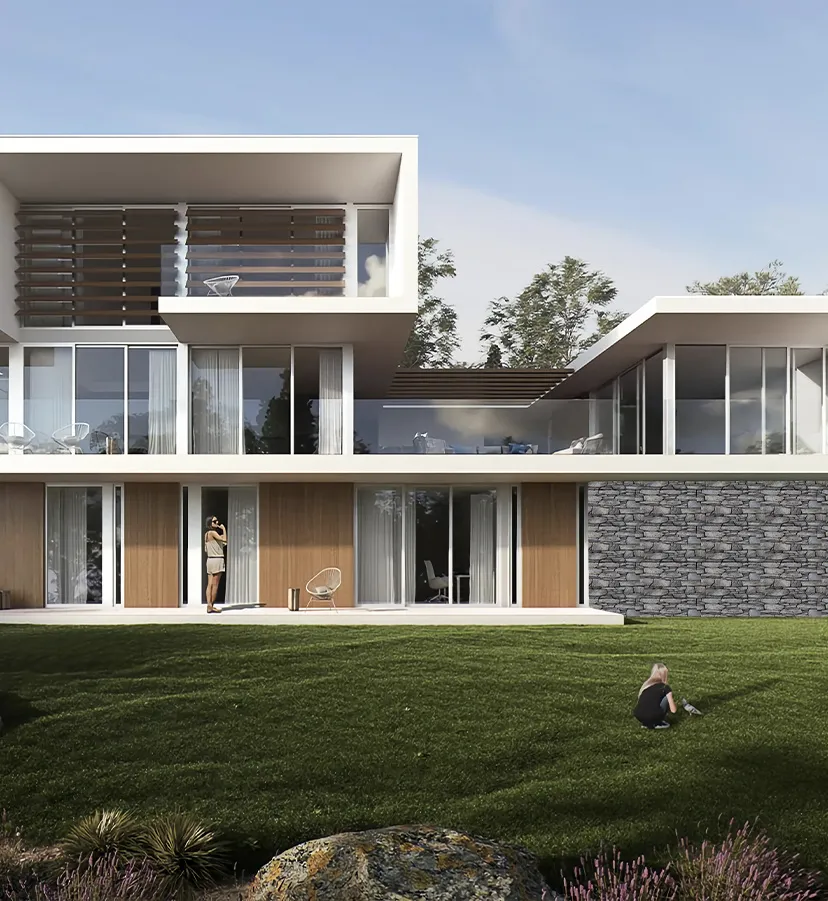
Exterior Facades: Instant Curb Appeal
Transform cookie-cutter suburban homes into stately manors. Whether covering an entire front wall or framing a doorway, Castle Rock makes houses look grounded and grand. Pair it with timber beams or wrought iron fixtures for rustic charm.
Fireplaces: Your Castle’s Hearth
Nothing rivals a stone fireplace for cozy elegance. Castle Rock turns bland boxes into medieval hearths where flames dance against textured stone—creating a focal point that whispers, "Gather 'round."
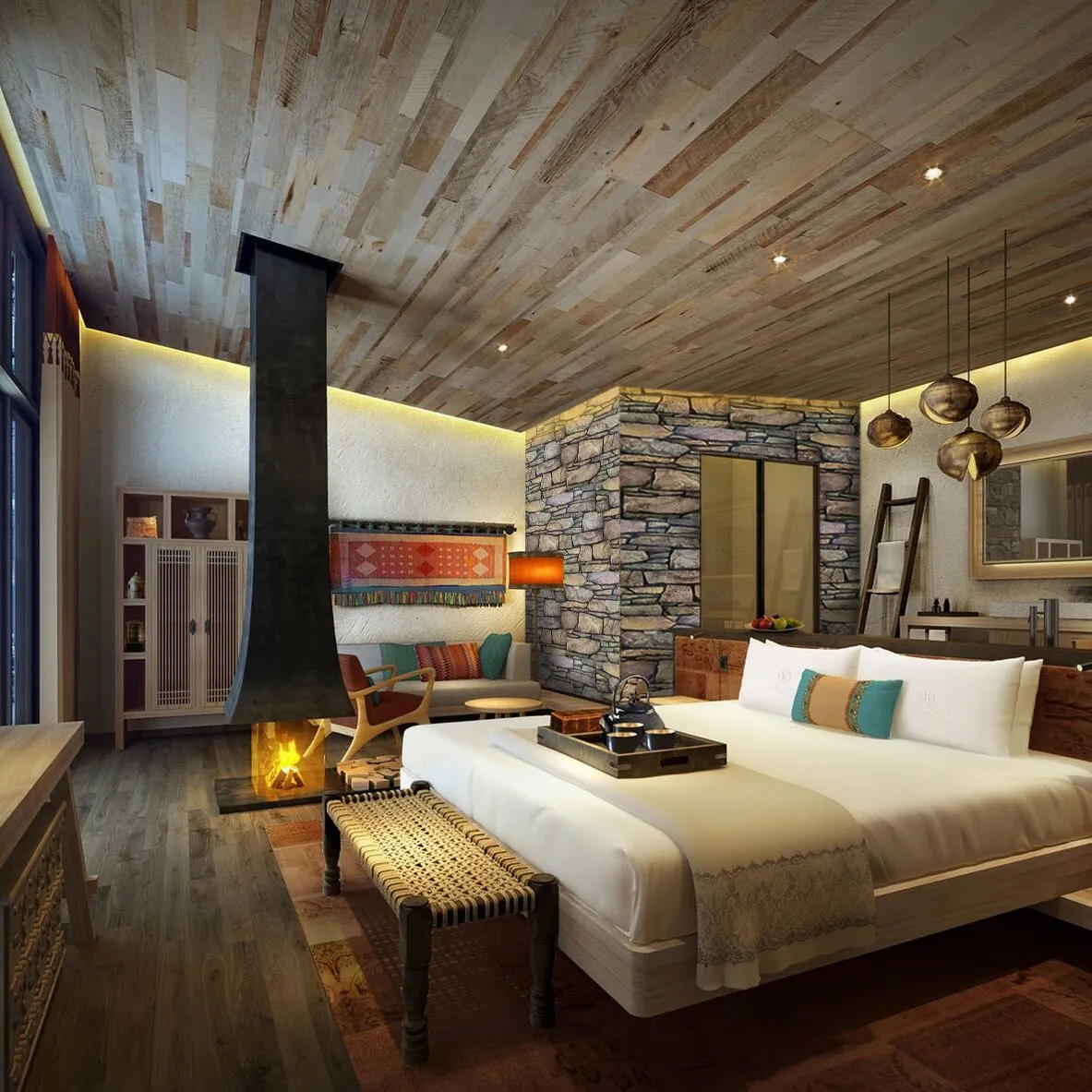
Indoor Feature Walls: Texture with Depth
Use it in entryways, dining rooms, or behind beds. Unlike flat paint or wallpaper, Castle Rock adds literal depth (¾" to 2" thick) and shadow play that makes spaces feel tactile and inviting.
Think beyond walls. Castle Rock elevates outdoor kitchens, garden columns, mailbox posts, and even waterfall features. Its versatility makes it the
Swiss Army knife
of architectural accents—especially valuable for residential **
building materials** that need to perform and look good.
Design Secrets for Stunning Results
Grout Colors: The Unsung Hero
Don’t default to plain gray grout! Match it to the stone’s undertones for seamless elegance, or contrast with deep charcoal/cream to highlight each block’s shape. This small choice makes a massive visual impact.
Mix Materials Like a Pro
Castle Rock pairs beautifully with:
• Weathered wood beams for a lodge feel
• Black metal windows/fixtures for industrial chic
• Vertical shiplap siding for rustic-modern balance
• Copper accents that patina over time
Installation: Easier Than You’d Think
Surface Prep is Key
Start with clean, structurally sound surfaces. For outdoor use, install corrosion-resistant metal lath over moisture barriers to prevent shifting.
Mortar Techniques: Less is More
Apply mortar in small sections so it doesn’t dry prematurely. “Butter” the back of each stone with mortar, then press firmly into place. Wipe excess as you go to keep grout lines clean.
DIY-Friendly Corner Pieces
Specialized corner stones with premitered edges ensure crisp 90-degree angles—a game-changer for beginners nervous about cutting.
Color Guide: Finding Your Perfect Shade
Castle Rock’s palette works in diverse settings:
• Oxford Castle Rock
: 60% charcoal + 40% pale silver for contemporary mountain homes
• Weathered Taupe
: Sandy beiges with warm undertones for coastal cottages
• Iron Mountain
: Deep, moody charcoals for dramatic modern designs
Pro tip: Order sample panels before committing. View them at different times of day—colors shift dramatically in natural vs. artificial light.
Unlike trendy finishes that date quickly, Castle Rock matures like fine wine. As seasons pass, it gathers subtle moss or patina (especially in humid climates), deepening its historical authenticity without compromising integrity.
Long-Term Care: Low-Effort Beauty
Maintenance is refreshingly simple:
• Annual rinse with garden hose
• For stubborn dirt, use soft brush + mild detergent
• Avoid pressure washers—high PSI can erode mortar
• Inspect caulking around windows/doors annually to prevent water intrusion
Castle Rock vs. Alternatives: Why It Wins
Faux Stone Panels
Often look flat and artificial up close. Castle Rock’s texture variations and shadow depth win every time.
Brick Veneer
Limited in color/texture. Castle Rock offers greater visual weight and medieval character.
Natural Stone
Even experts struggle to distinguish quality Castle Rock from real stone—but you’ll notice the difference in your wallet and installation timeline.
Real-Life Transformations
• A 1980s split-level in Ohio became a rustic cottage by cladding the lower half in Oxford Castle Rock, pairing it with cedar shingles above.
• A Florida pool house adopted Mediterranean flair with Weathered Taupe veneer on arches and columns.
• A minimalist office building in Seattle used Iron Mountain for a single accent wall—proving it works in corporate settings too.
Wrapping Up: Your Personal Castle Awaits
Whether you’re building new or renovating, Castle Rock stone veneer isn’t just a product—it’s an invitation to reimagine your space. It delivers heritage charm without heritage headaches, durability without drabness, and luxury without lunacy. In a world of temporary trends, this is one design choice that truly stands the test of time. Ready to transform your walls into a statement? The drawbridge is down—all that’s missing is your vision.














