

Picture yourself walking into a room where the walls don't just stand there – they speak. They whisper tales of ancient castles, weathered by centuries of storms and sun, carrying a physical weight that feels like history pressing against the present. This isn't just stonework; it's Castle Rock style, a design choice that transforms spaces into emotional landscapes.
Castle Rock doesn't just decorate; it dominates – in the most elegant way possible. It's the architectural equivalent of that one friend whose presence fills the room without them saying a word. What gives it this extraordinary presence?
These stones aren't delicate little tiles. They're hefty blocks that refuse to be ignored, averaging 25-35cm in length. Like the foundation stones of medieval castles, they declare: "I've been here forever, and I'll be here long after you're gone."
Forget perfect symmetry – true character lives in the flaws. Castle Rock stones fit together like the pieces of an ancient puzzle someone solved 800 years ago. That slightly crooked line? That's where charm leaks out. It’s the "scruffy beard" of stonework styles.
Run your hand across the surface: those chisel marks aren't just decorative. They're time-travel devices. Each groove catches light differently throughout the day, creating shadows that move like sundials across your wall. Morning gives you sharp contrasts; dusk softens everything to whispers.
It takes a special kind of skill to make something new feel ancient. Castle Rock accomplishes this through intentional "flaws" – subtle discoloration spots that suggest water damage from medieval storms, or edges worn "smooth" by imagined centuries of touch.
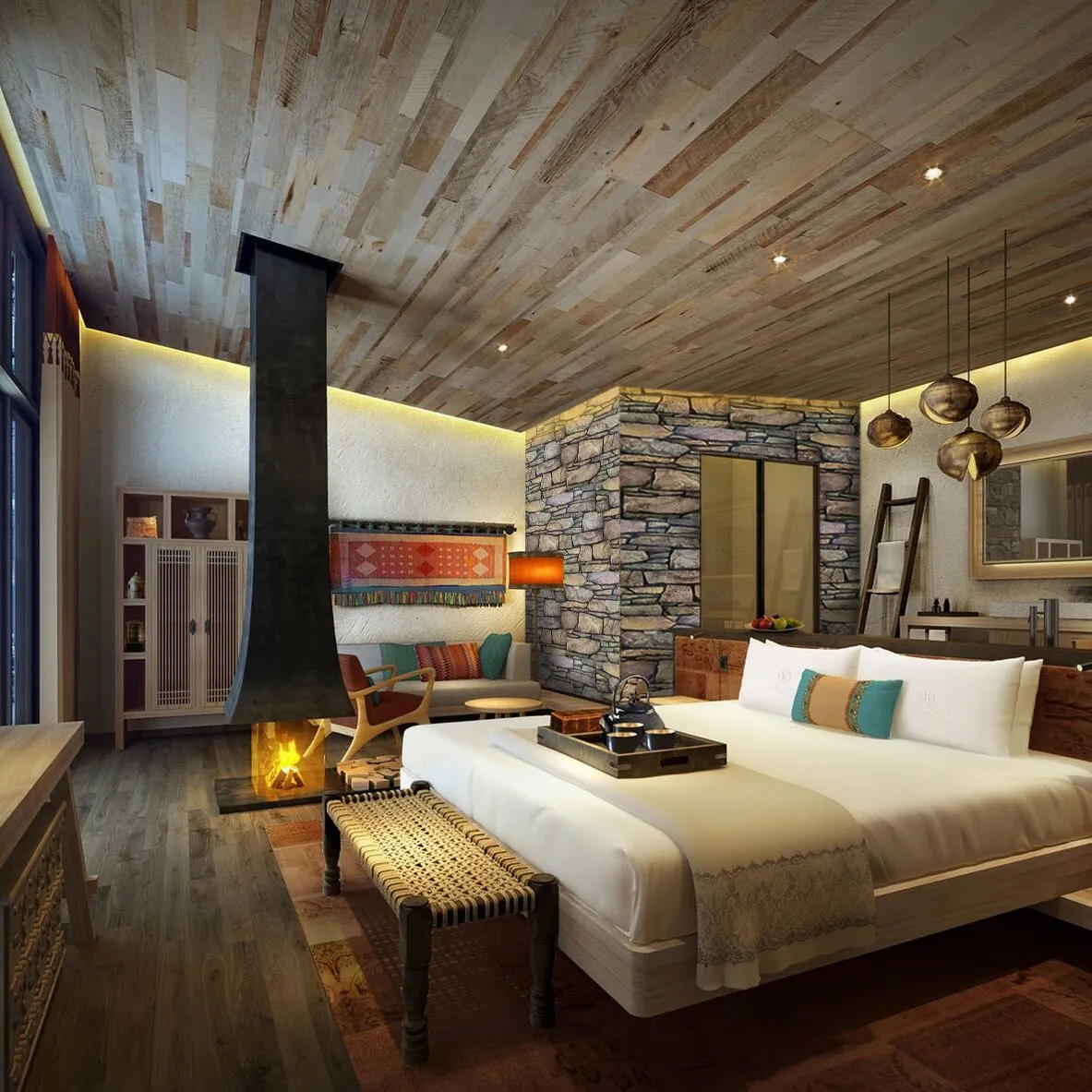
Ever walked into a room and felt the walls leaning in? That's Castle Rock at work, using visual physics to create emotional weight:
It’s all about shadow play. Those deep textures don’t just catch light – they swallow it. The result? A visual density that tricks your brain into sensing actual mass. It’s like staring at a black hole: you can’t see it, but you know something massive is there.
Color plays its part too. While Castle Rock often comes in warm earth tones, the dark variants – charcoals and deep umbers – create the most profound sense of density. Like that little black dress that feels heavier than denim twice its weight, these hues absorb light rather than reflect it, making walls appear to advance toward you.
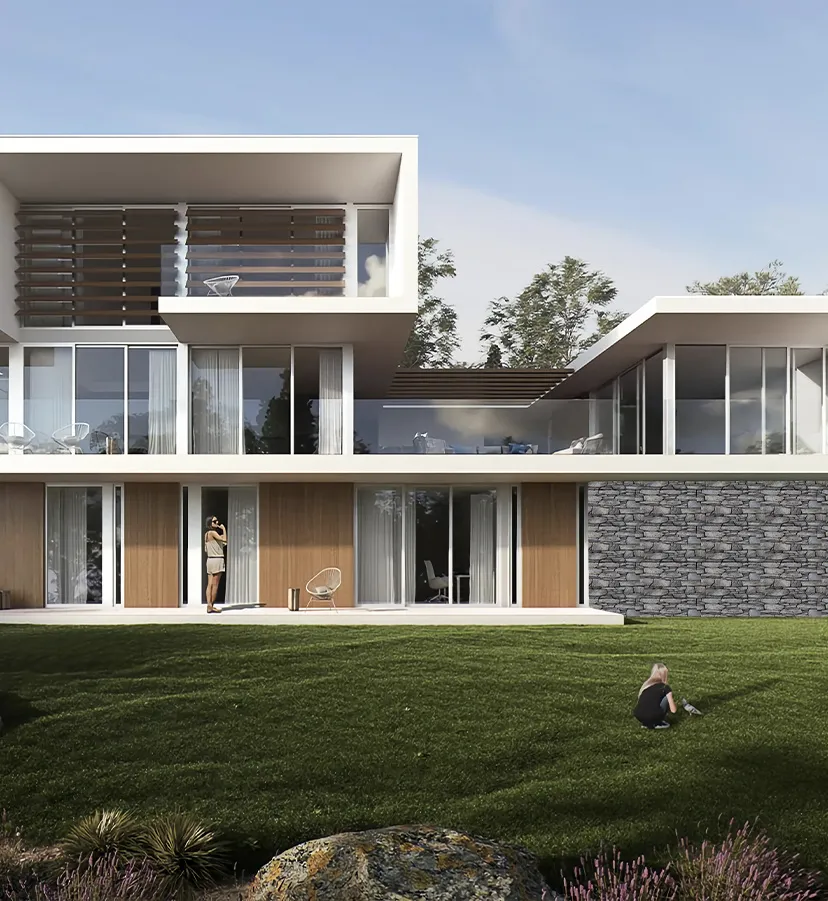
To understand why Castle Rock works so well emotionally, we need to step back – way back to when stones weren't decorative elements but survival tools:
In commercial spaces like hotels or restaurants, this heaviness translates into perceived stability – guests subconsciously feel the business is solid, reliable. In homes, it creates an emotional anchor that makes rooms feel like sanctuaries rather than just spaces.
What modern manufacturers achieve with Castle Rock style imitation stone is remarkable. They've mastered what Chinese pedagogy calls the "stone polishing jade" approach – learning from natural models while creating something new:
Creating authentic Castle Rock requires observation from every angle. Craftsmen study:
Castle Rock molds aren't cookie cutters. Each is a hand-sculpted "memory holder" designed to capture:
The magic happens in the material transformation phase. Lightweight components like polyurethane composites gain that heavy visual presence through:
There's an art to using weight effectively. Too much, and you've built a dungeon; too little, and the magic evaporates:
| Application | Effective Weight Techniques | Overwhelming Mistakes |
|---|---|---|
| Residential Walls | Wainscoting (lower 3-4 ft only) | Full-height in small rooms |
| Fireplaces | Textured surround + smooth mantel | Carving-heavy mantels with detailed surround |
| Pillars/Columns | Vertical stacking patterns | Overly wide proportions |
| Commercial Spaces | Feature walls + ample lighting | Unbroken expanses with low light |
Lighting plays the perfect counterweight to Castle Rock's density. Wall wash fixtures placed to graze across the surface transform heaviness into dramatic texture. The shadows become intentional performers rather than oppressive gloom.
Castle Rock's journey from literal castles to modern interiors reveals fascinating adaptations:
Forward-thinking designers play with Castle Rock's heaviness paradoxically. Installing it on ceilings creates inverted fortresses, while backlit sections float heavy-looking stones like visual magic tricks.
Modern applications include:
At its core, the lasting power of Castle Rock lies in its emotional resonance. As one leading building material supplier recently noted: "People don't buy Castle Rock because it looks like stone; they respond because it feels like security in a chaotic world. We're not selling décor; we're providing emotional anchors."
What seems like a timeless material is actually evolving rapidly. The next generation of Castle Rock innovations focuses on dynamic heaviness:
Perhaps the most fascinating development comes from neuroscience labs. Studies measuring brain responses reveal why our reaction to Castle Rock goes beyond aesthetics:
The brain's threat detector actually relaxes in spaces with Castle Rock features, interpreting the heavy texture as "protective shelter"
Subjects tracing Castle Rock patterns showed reward pathway activation similar to puzzle-solving satisfaction
We're learning that the "heavy feeling" isn't just poetic language – it's measurable physiology. This understanding allows designers to calibrate weight with precision: creating spaces that ground without overwhelming, anchor without confining.
In a design world obsessed with minimalist lightness, Castle Rock stands as a bold counterpoint. Its heaviness becomes its power – not an obstacle but an invitation.
Whether using it as a full wall statement or subtle accents, Castle Rock brings dimensions beyond the visual. It engages our sense of history, activates our instinct for shelter, and satisfies our need for tangible substance in increasingly virtual lives.
So next time you feel drawn to that rough-textured, deeply colored Castle Rock panel in the showroom, know it's not just your eyes responding. Your whole being recognizes what architects have known for centuries: true security doesn't come from absence of weight, but from substance that withstands time.
Recommend Products












