

A story of innovation, durability, and architectural excellence in Saudi Arabia's commercial construction boom
In the heart of Saudi Arabia, Riyadh stands as a testament to rapid urban transformation. Skyscrapers pierce the sky, commercial districts expand, and residential complexes redefine modern living—all driven by a vision to position the city as a global hub for business and innovation. Yet, this growth brings unique challenges: extreme climate conditions (temperatures soaring to 50°C in summer, relentless sandstorms), strict building codes, and the demand for structures that blend aesthetics with functionality. For developers, choosing the right building materials isn't just about meeting deadlines—it's about creating spaces that endure, inspire, and reflect the city's ambitious spirit.
In 2024, one such challenge landed on the desk of Al-Mansoori Real Estate, a leading developer in Riyadh. Their latest project: Al-Mansoori Tower, a 22-story commercial building in the King Abdullah Financial District (KAFD), designed to house tech startups, multinational offices, and a ground-floor retail arcade. The tower's façade was critical—it needed to make a bold statement, withstand Riyadh's harsh elements, and align with KAFD's reputation for cutting-edge architecture. After months of research, the team at Al-Mansoori turned to a material that promised to check all boxes: MCM Flexible Cladding Stone Wall Panels. And to bring this vision to life, they partnered with a trusted mcm flexible cladding stone wall panel supplier with a track record of delivering tailored architectural façade solutions in Saudi Arabia.
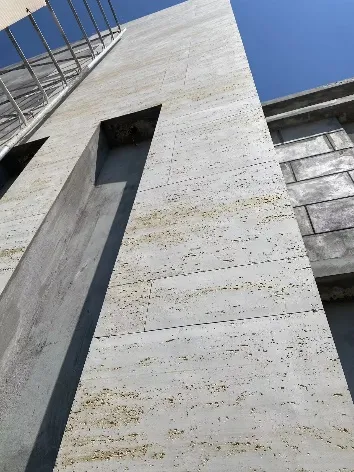
Al-Mansoori Tower's design brief was clear but demanding. The client wanted a façade that:
Traditional materials fell short. Natural stone was heavy and prone to cracking in temperature fluctuations. Ceramic tiles lacked flexibility for curved surfaces. Fibre cement panels, while durable, couldn't replicate the desired stone texture. It was during a trade show in Jeddah that the Al-Mansoori team first encountered MCM Flexible Cladding Stone Wall Panels—a material that seemed too good to be true. "We'd heard of MCM before, but the supplier's pitch was different," recalls Lina Hassan, Al-Mansoori's project architect. "They didn't just sell us panels; they talked about solutions—how to customize the color to match our 3D renders, how to install them on curved surfaces, and even how they'd perform in Riyadh's climate. That's when we knew we had a partner, not just a vendor."
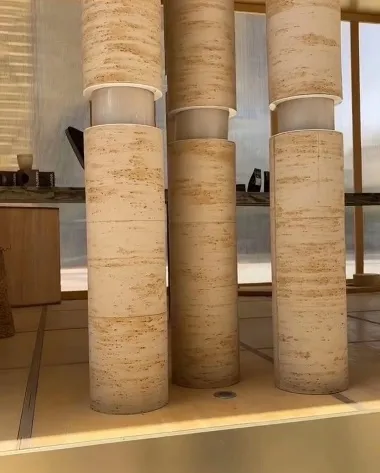
MCM, or Metal Composite Material, is a sandwich-like panel consisting of two thin aluminum sheets bonded to a polyethylene core. What makes it "flexible" is its ability to bend without breaking, thanks to advanced manufacturing techniques that allow the panels to be formed into curves, angles, and custom shapes. For Al-Mansoori Tower, the mcm flexible cladding stone wall panel supplier proposed a specialized variant: a stone-textured finish (mimicking Saudi desert sandstone) with a 3mm aluminum core and a PVDF coating for UV resistance. The panels were 4mm thick, 1.2m wide, and up to 4m long—large enough to minimize seams and create a seamless façade.
But the supplier's role extended beyond providing materials. As a one-stop architectural solution provider, they offered end-to-end mcm flexible cladding stone wall panel solutions, including:
"The supplier's willingness to collaborate was key," says Omar Khalid, Al-Mansoori's construction manager. "We had weekly meetings where their team walked us through 3D installation simulations, identified potential issues (like thermal expansion gaps), and adjusted the plan accordingly. It felt like they were invested in our success, not just making a sale."
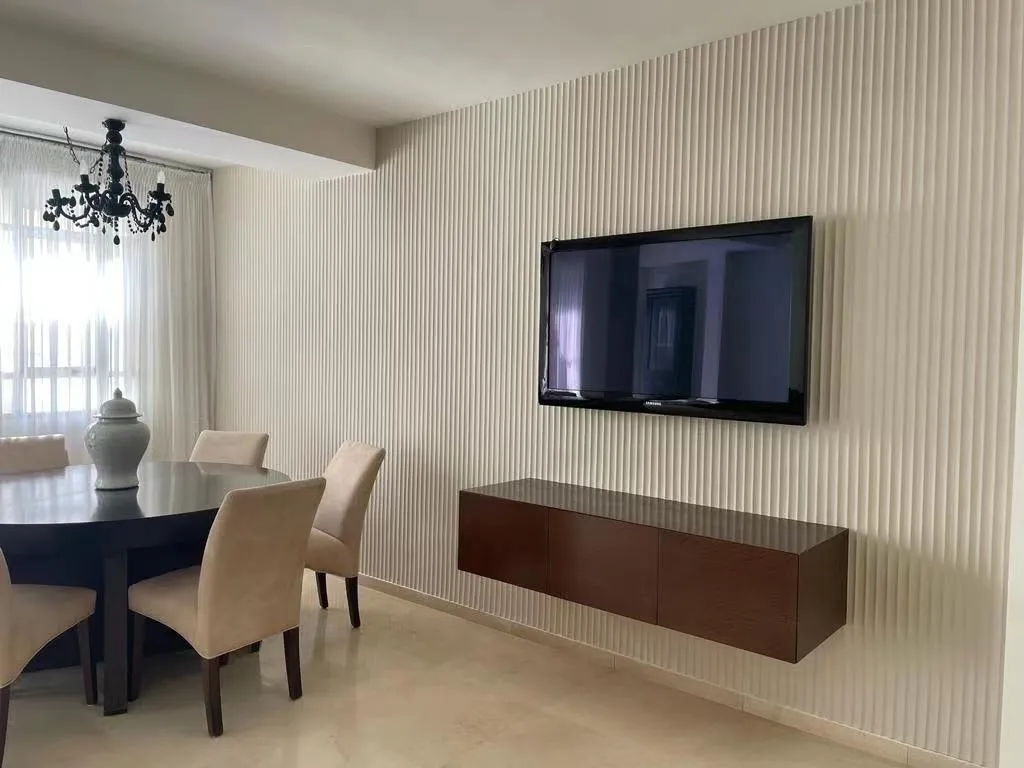
Installing MCM panels on a 22-story building is no small feat. The project spanned seven weeks, with a crew of 12 installers working in shifts to beat the summer heat. Below is a breakdown of the key phases, challenges, and triumphs:
| Phase | Duration | Key Activities | Challenges & Solutions |
|---|---|---|---|
| Pre-Installation Assessment | Week 1 | Site survey, substrate testing, material sampling. | Challenge: The tower's concrete substrate had minor unevenness (±5mm) from earlier construction. Solution: Used laser leveling to map discrepancies; recommended a polymer-modified mortar skim coat to create a flat surface. |
| Material Delivery & Preparation | Week 2 | Unloading MCM panels, storing in shaded area, cutting custom sizes. | Challenge: Panels arrived during a heatwave (48°C), risking warping. Solution: Stored panels in air-conditioned containers; cut panels early morning (5–9 AM) when temperatures were cooler. |
| Installation: Lower Floors (1–10) | Weeks 3–4 | Fixing panels to vertical aluminum rails using mechanical fasteners; sealing seams with silicone. | Challenge: Sandstorms disrupted work on Day 3. Solution: Covered installed panels with protective film; resumed work post-storm with adhesion tests to ensure silicone hadn't been compromised. |
| Installation: Curved Floors (15–18) | Week 5 | Heat-forming panels to 120° curves; using structural silicone adhesive for flexibility. | Challenge: Standard mechanical fasteners couldn't bend with the panels. Solution: Switched to a "floating" system with adjustable clips, allowing panels to expand/contract with temperature changes. |
| Quality Control & Finishing | Week 6 | Adhesion tests, UV resistance checks, cleaning and polishing. | Challenge: Minor color variation in panels from different batches. Solution: Blended panels from multiple batches during installation to create a uniform look; supplier replaced 12 panels with color-matched alternatives. |
| Client Handover | Week 7 | Final inspection, documentation, training for maintenance team. | Outcome: Client signed off with zero punch-list items; praised "seamless collaboration" between installer, supplier, and Al-Mansoori. |
A pivotal moment came during the curved floor installation. The 15th floor's design called for a 4m-long panel bent into a gentle S-shape, mimicking the flow of sand. The installation crew, initially skeptical, used a heat gun to warm the panels to 60°C (the optimal temperature for flexibility) and carefully shaped them over a custom wooden mold. "Watching that first curved panel lock into place was surreal," says Ahmed Faraj, lead installer. "We'd practiced for weeks in the workshop, but seeing it on the building—perfectly aligned, no cracks, no wrinkles—was when we knew we'd nailed it."

Six months after completion, Al-Mansoori Tower stands as a landmark in KAFD. Its stone-textured MCM façade shimmers in the sun, blending seamlessly with the desert landscape while exuding modernity. But the true success lies in the data:
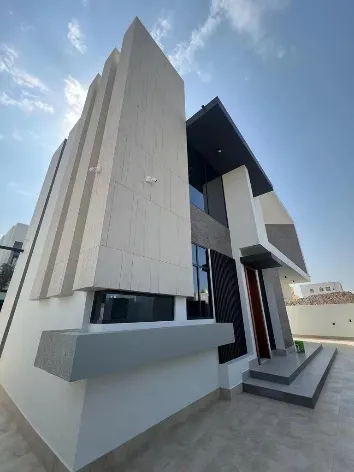
The success of Al-Mansoori Tower has rippled through Riyadh's construction community. Since its completion, the mcm flexible cladding stone wall panel supplier has secured contracts for three more commercial projects in KAFD and a luxury hotel in Diriyah. For the supplier, this growth reflects a shift in how developers approach building materials—moving from "off-the-shelf" products to collaborative, solution-driven partnerships. As a commercial building materials supplier with deep roots in Saudi Arabia, they understand that local expertise matters. "We don't just import panels; we test them in our Riyadh lab to ensure they meet SBC standards, and we train local installers to maintain quality," explains Majed Al-Zahrani, the supplier's regional director. "It's about building trust, not just selling products."
Looking ahead, MCM flexible cladding is poised to play a starring role in Saudi Arabia's Vision 2030, which emphasizes sustainable, world-class infrastructure. Its lightweight nature reduces carbon emissions during transportation and installation; its durability lowers long-term maintenance costs; and its design flexibility aligns with the kingdom's push for innovative architecture. For developers in Riyadh, Jeddah, and beyond, MCM isn't just a trend—it's a practical, future-proof choice.
Al-Mansoori Tower's façade story is more than a case study in material selection. It's a testament to what happens when a client's bold vision meets a supplier's commitment to solutions. From the initial site visit to the final handover, the partnership between Al-Mansoori Real Estate and the mcm flexible cladding stone wall panel supplier was built on communication, problem-solving, and a shared goal: to create something exceptional. In Riyadh's fast-paced construction landscape, where deadlines are tight and stakes are high, this kind of collaboration isn't just rare—it's revolutionary.
As the sun sets over Al-Mansoori Tower, casting golden hues on its stone-textured MCM panels, it's clear: this building isn't just part of Riyadh's skyline. It's a symbol of progress—proof that with the right materials, the right partner, and a little flexibility, anything is possible.
Recommend Products











