
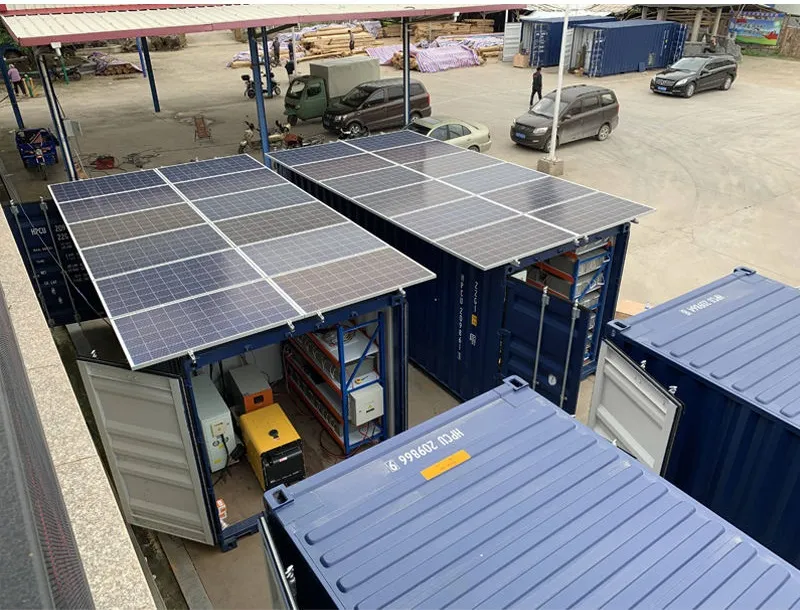
Picture this: A midsized wastewater treatment facility guzzling enough electricity to power over 1,500 homes. Day after day, month after month. Those massive aerators churning oxygen into wastewater? Energy vampires. In fact, at most plants, they account for a jaw-dropping 50-60% of total energy consumption. We're talking thousands of dollars flying out the window every month while contributing to carbon emissions that would make any environmentally-conscious engineer lose sleep.
The conventional approach? Keep buying grid power, watch operational costs climb, and hope for tax breaks. But in sunny California, plant managers started asking: "Why aren't we tapping into this free, abundant energy source right above our heads?" It wasn't a new question, but the urgency was growing louder as energy costs soared and environmental regulations tightened. That discomfort sparked a quiet revolution in the sewage treatment industry.
Most wastewater plants have something precious: Space. Lots of it. While solar farms fight for land rights, treatment plants sit on acres of underutilized property. The rooftops of administrative buildings, the tops of clarifiers, even open buffer zones between treatment stages - all perfect real estate for panels. What felt like wasted space suddenly became the solution to the problem.
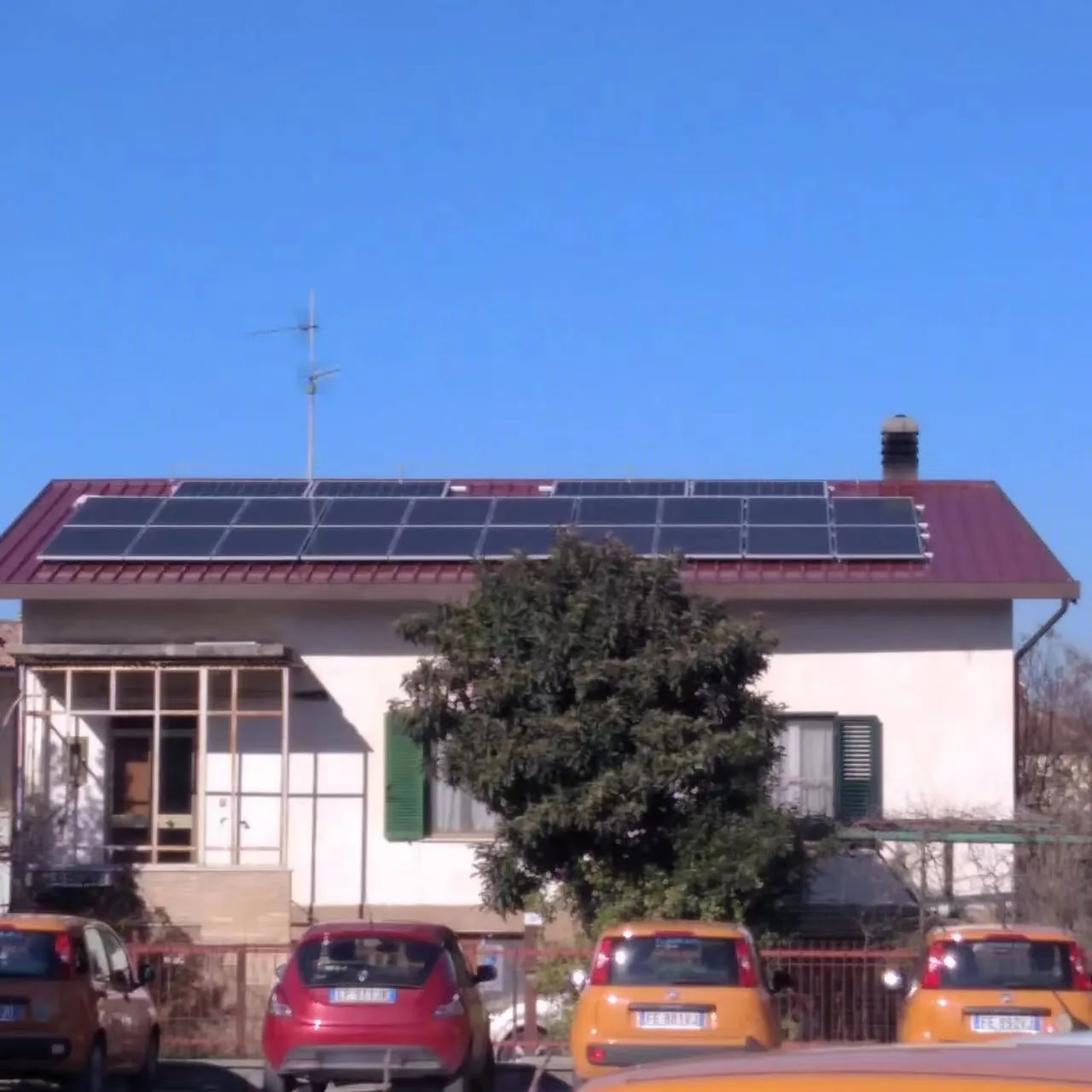
Let's zoom into the journey of the Riverside Water Recycling Plant in Southern California. This facility, processing about 12 million gallons daily, stood as a perfect candidate - large enough to justify investment but small enough for agile implementation. Their energy bills had climbed 28% over five years, with aeration alone costing $350,000 annually. The tipping point came when grid reliability issues caused three operational disruptions in one year.
The solution wasn't just slapping solar panels wherever they'd fit. The team adopted a systems-thinking approach: Integrating solar with existing anaerobic digesters to create a hybrid power ecosystem. During site assessment, engineers discovered they could cover nearly 7 acres with solar arrays without impacting operations - enough to theoretically power over 80% of the plant.
| Aspect | Pre-Solar | Post-Solar |
|---|---|---|
| Monthly Energy Cost | $42,500 | $17,800 |
| Annual Carbon Emissions | 1,850 metric tons | 624 metric tons |
| Grid Dependency | 100% | 32% (peak summer) |
| Aerator Downtime | 3 days/year | 0 days (last 18 months) |
Here's where the rubber meets the road. For the uninitiated, aerators are like giant mixers that pump oxygen into sewage to help bacteria break down organic matter. They're energy-intensive because they run continuously. The Riverside team's genius was redesigning the power delivery system into three components:
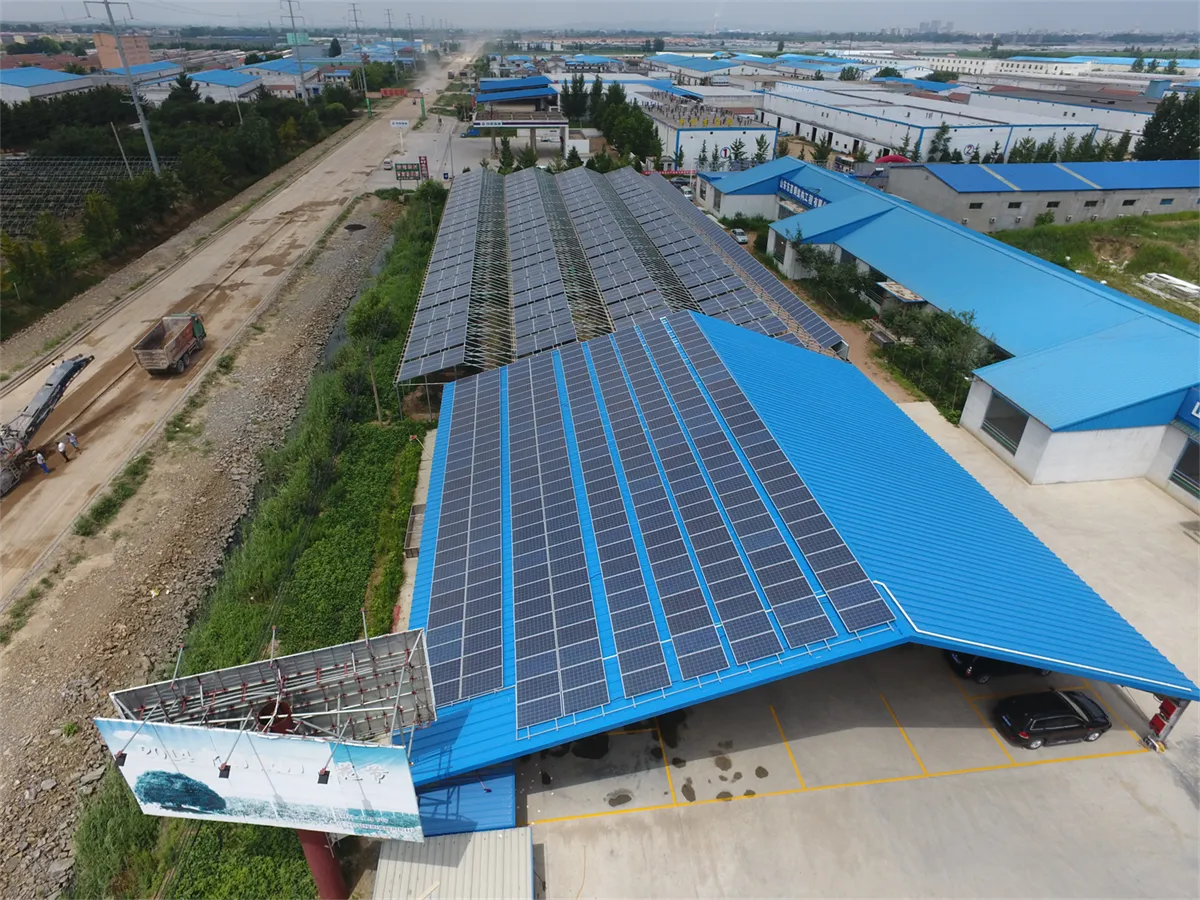
They installed a 950kW system using bifacial panels capturing sunlight from both sides. Positioned over settling tanks, they pulled double duty - generating power while reducing algae growth by shading the water.
This was the tricky part: Converting solar DC power to precisely what the aerators needed. Engineers installed variable frequency drives (VFDs) that let the motors adjust to available solar power. When clouds appeared, the system smoothly compensated by drawing supplemental biogas power.
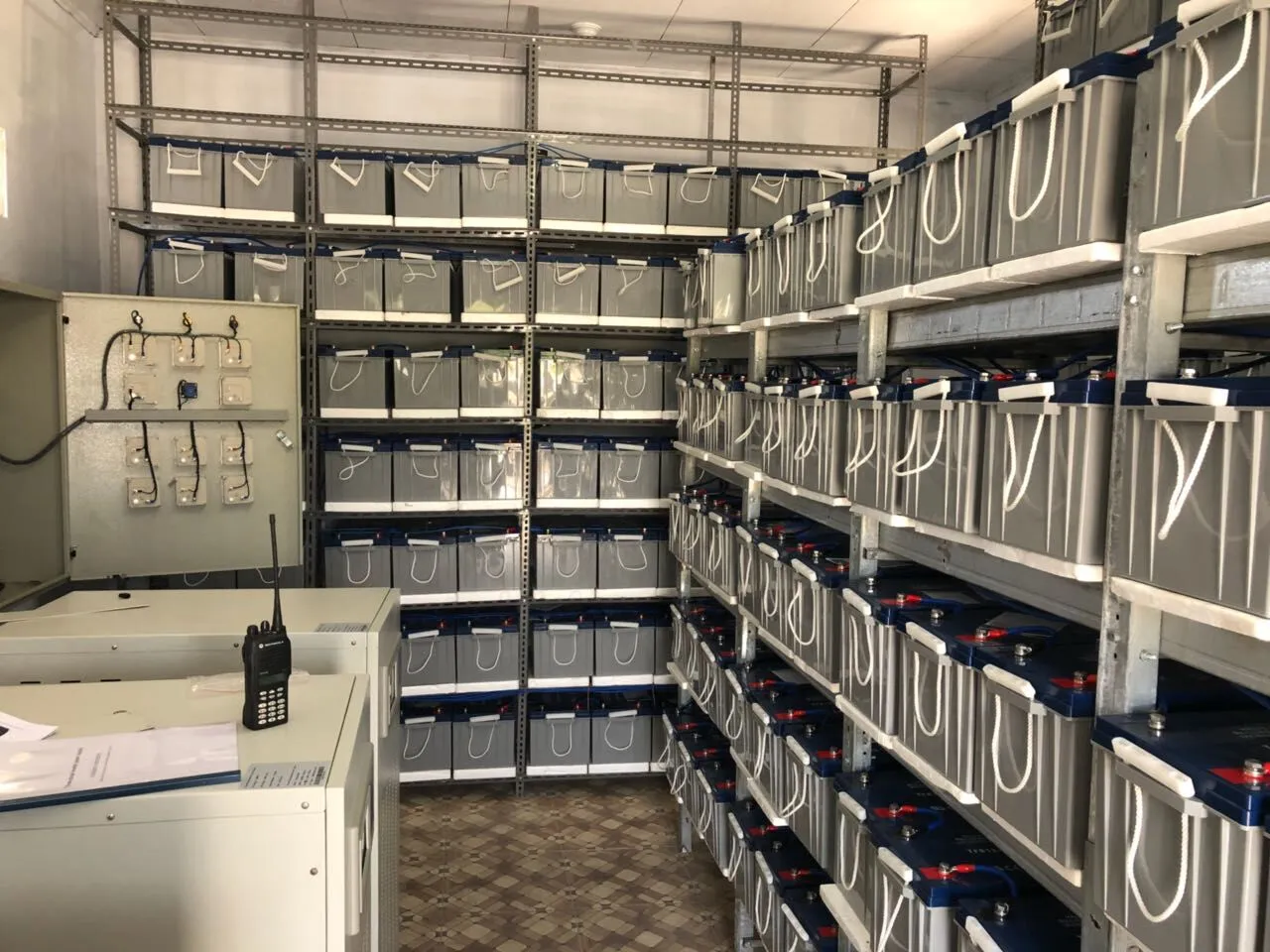
Not discussed enough: Solar power doesn't match usage peaks perfectly. Riverside installed a 400kWh battery bank that captures excess midday energy, releasing it during early morning operations when aeration demand peaks but solar production is low.
The project wasn't without headaches. Corrosion from airborne hydrogen sulfide meant installing specialized coating. Permitting took seven months longer than projected due to electrical interconnection rules. Workers had to be trained on the new system through hands-on simulations. But each obstacle became a valuable lesson that streamlined future installations across California.
Beyond the numbers lies something deeper. Plant manager Sarah Jennings shared what surprised her most: "Suddenly, we weren't just utility workers. We became energy producers. Staff started taking ownership - checking panel cleanliness, monitoring output like it was a scoreboard."
The human aspect proved as transformative as the technology:
Staff morale ↑ 40% Community complaints ↓ 64% Educational tours ↑ 200%Environmental benefits went beyond carbon. Reducing grid dependency meant fewer peak-power periods when fossil fuel plants would fire up. The panels reduced water evaporation in treatment basins by 22% - critical in drought-prone California. Unexpectedly, the cooling effect beneath panels decreased volatile organic compound emissions.
What works for Riverside might seem irrelevant to smaller plants, but California's data shows otherwise. Smaller facilities (<5 MGD) saw even more dramatic results proportionally. Why? They lacked the capital for complex anaerobic digesters, making solar their primary renewable solution.
Consider the 1.2 MGD Arroyo Verde facility: By installing a modest 85kW system focused exclusively on aerators, they eliminated 94% of their aeration energy costs and became nearly grid-independent on sunny days. Their secret? Smart scheduling of energy-intensive tasks to coincide with peak solar production.
The economics finally make sense. Since 2015, panel prices plunged 64% while efficiency jumped 35%. Battery storage costs halved. Crucially, payback periods dropped from 14+ years to 5-7 years. As one plant manager joked: "My spreadsheet finally smiled back at me when I ran the numbers."
Cloudy Seattle? Freezing Minnesota? Solar-aeration still delivers value. Cloudy climates use tracking systems that capture diffused light. In cold regions, panels actually operate more efficiently while melting snow covers automatically at certain temperatures.
The winning formula involves customization:
This truly represents a one-stop architectural solution for sustainable infrastructure transformation that goes beyond merely installing panels to rethinking physical space.
Common concerns keep plants on the sidelines:
"We'll get stuck with outdated tech!" Smart solution: Modular installation. Riverside designed their system with "swap zones" where new panel types can be inserted without redoing the whole array. They budget 18% annually for incremental upgrades.
"What about maintenance?" Forward-thinking plants like Riverside actually automated panel cleaning using existing treated wastewater. Robotic cleaners run at dawn weekly, adding minimal operational cost.
"Natural disasters will destroy them!" Post-Hurricane Sandy, East Coast plants redesigned mounting systems. New Jersey facilities now use hurricane-rated ballasted systems weighing down panels without roof penetration.
What began as an energy project became a transformation catalyst. Solar installations created surplus energy that powers innovations like:
Thermal hydrolysis processes ↓ biosolids by 35% UV disinfection replacing chemicals Real-time water quality sensorsFinancially, freed-up capital funds efficiency upgrades elsewhere. The Riverside team identified 11 additional optimization projects from sub-meter data they could now track properly.
Federal incentives now cover 30-50% of installation costs through tax credits and grants. California's SB 100 mandates 100% carbon-free electricity by 2045, creating urgency. Municipal utilities offer renewable energy credits that provide revenue beyond self-consumption. Most importantly, depreciation rules allow tax benefits that make these projects cash-flow positive faster.
Looking ahead, innovations will push boundaries further:
The model is spreading globally too. In Australia's hot climate, concentrated solar thermal helps preheat digesters. Scandinavian plants combine solar with heat recovery systems. Each adaptation adds to the collective playbook.
The solar transformation journey at plants like Riverside reveals something deeper than kilowatts and dollars. It represents infrastructure reborn: From cost centers to community assets. What was once hidden behind fences becomes a visible commitment to sustainability. Staff take pride in innovation. Communities gain educational resources.
A critical lesson emerged from all case studies: Success came when plants stopped viewing solar as just another equipment purchase and instead approached it as an opportunity to reimagine their entire energy ecosystem. That mindset shift - coupled with the rapidly improving economics - makes solar-powered aeration not just feasible, but increasingly inevitable for wastewater facilities of all sizes.
In the end, the sewage plant aerator - once hidden from view while quietly draining resources - is becoming an unlikely hero in our clean energy transition. One rotating paddle, one sunbeam at a time.
Recommend Products












