
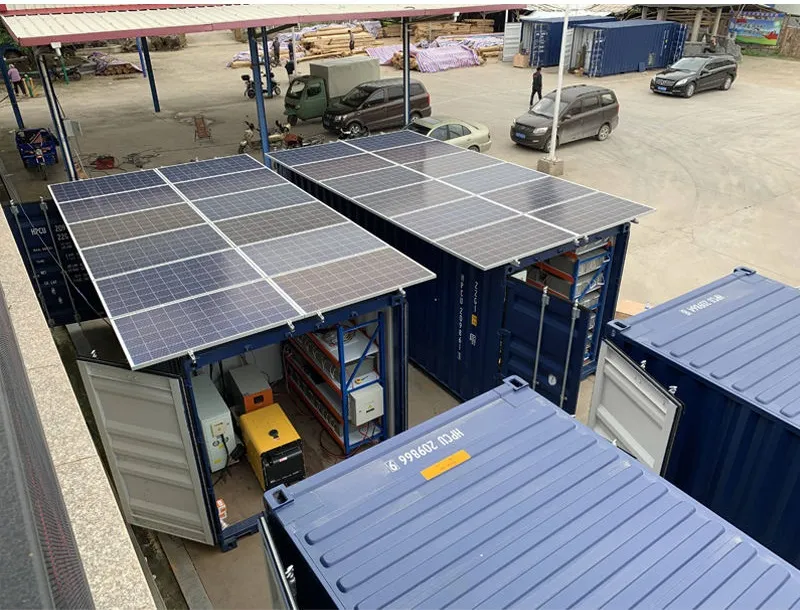
You know that feeling when you're stuck between wanting to do the right thing and needing to be practical? That's exactly where many businesses find themselves with solar energy. Everyone talks about how solar panels pay for themselves over time, but the reality is that upfront cost is a massive hurdle. We're talking about tens of thousands of dollars just to get started.
Take the case of Henan Yicheng New Energy Co., Ltd., a mid-sized Chinese manufacturer that desperately wanted to transition to clean energy. They crunched the numbers and knew solar would save them money in the long run. But when their finance department saw the price tag for installation, it stopped them dead in their tracks. They weren't alone - this "upfront barrier" has paralyzed solar adoption globally, from small businesses to multinational corporations.
"Financial leasing transforms solar adoption from a capital expenditure headache into an operational expenditure solution that finally makes sense in the boardroom," remarks Li Wei, CFO of a renewable energy consortium.
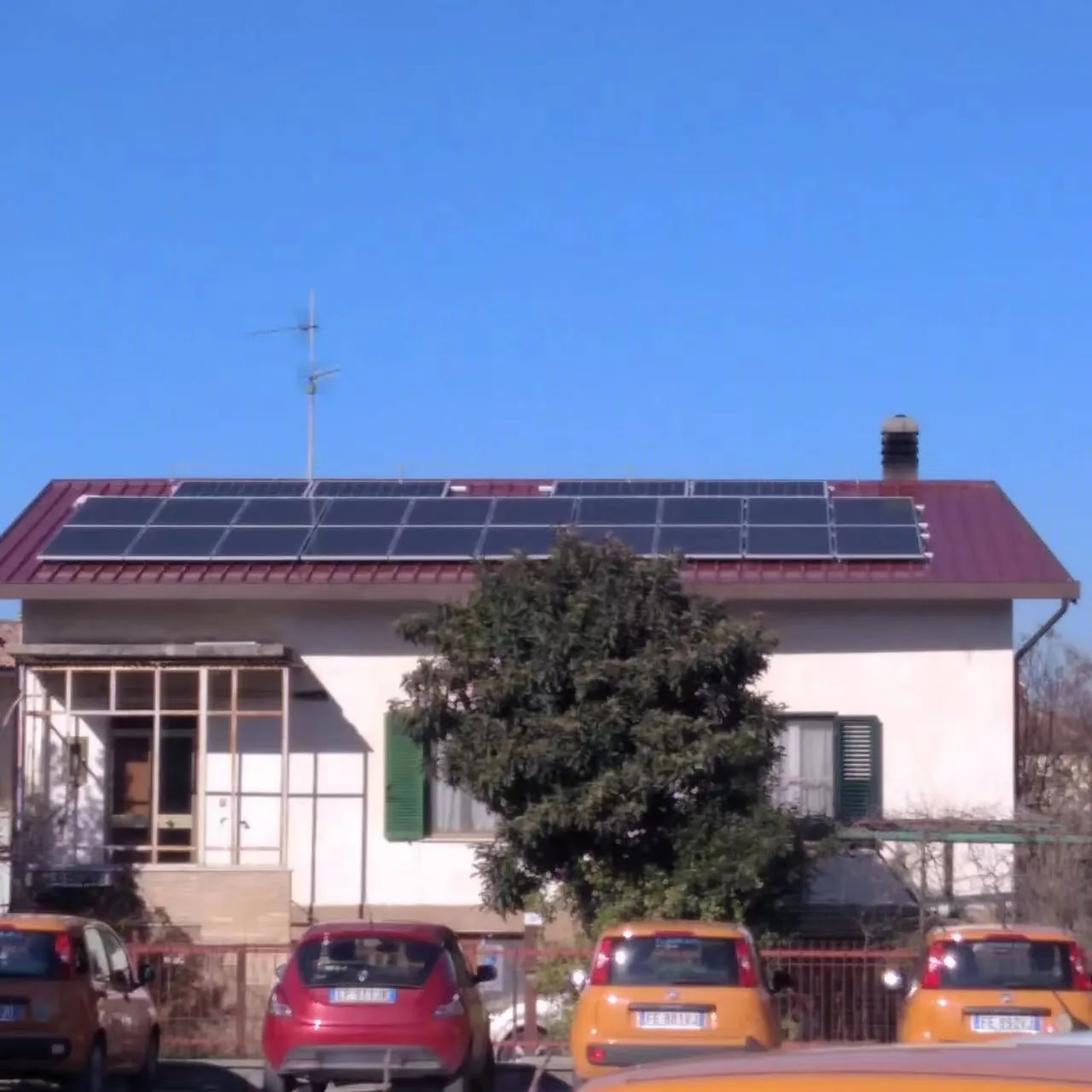
Financial leasing completely changes the game. Think of it like renting your solar system, but with benefits that ownership eventually provides. Here's how the model works:
Under this arrangement, a financial leasing company actually purchases and owns the solar equipment. The business then leases it back through a long-term agreement that mimics typical solar panel lifespan - usually 15-25 years. Instead of dropping $100,000+ on day one, the business pays monthly lease payments that include maintenance, insurance, and performance guarantees.
Henan Yicheng New Energy faced a $185,000 installation quote for a 250kW system. Instead of paying cash or taking a high-interest loan:
Not only did this eliminate the initial investment hurdle, but their energy costs dropped immediately while creating predictable budgeting.
Leasing companies use sophisticated pricing models considering three core factors:
Unlike equipment loans, leasing payments are typically lower because they reflect the equipment's declining value. Also, since the leasing company retains ownership, they handle maintenance and performance guarantees. This creates a worry-free solution where the business only pays for the energy produced, not equipment upkeep.
Perhaps the most underappreciated benefit is how leasing impacts financial statements. Because leased solar assets don't appear as owned equipment:
This subtle accounting difference matters tremendously to CFOs managing company valuations and investor expectations.
Traditional solar ownership creates a "lock-in" effect - you've committed to specific technology for decades. Leasing arrangements, especially in markets with multiple solar panel solutions providers, offer flexibility to upgrade when new technologies emerge. Adding capacity? Modular leasing contracts make expansion simple.
Considering solar leasing? Follow this practical checklist:
Yicheng's successful implementation followed a clear timeline:
The numbers don't lie. Since implementing their leased solar solution, Yicheng Energy:
Perhaps most powerfully, leasing models democratize solar access. Family businesses, non-profits, educational institutions - organizations previously locked out by capital requirements can now participate. The environmental impact when millions of these small-to-medium projects come online could reshape our energy landscape.
As Yicheng's CEO Wang Jun puts it: "Solar leasing didn't just improve our bottom line - it aligned our operations with our values without compromising financial responsibility. That's a win every business should experience."
Recommend Products












