
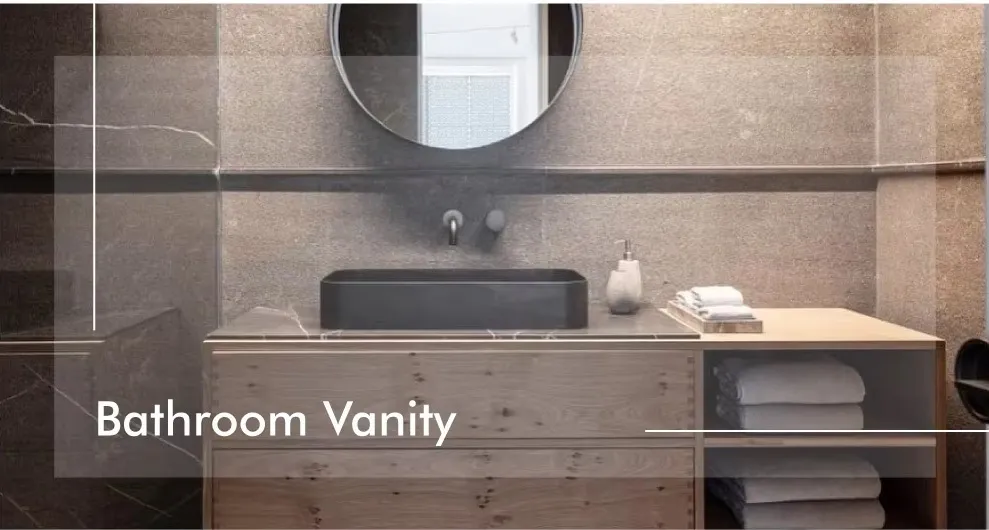
Hey design lovers! Have you noticed how geometry is transforming bathrooms from purely functional spaces into art installations? This case study explores how designers are using shapes, lines, and patterns to create show-stopping vanities that blur the line between furniture and sculpture. From hexagon tile backsplashes to angular floating vanity units, we'll explore real-world applications that prove math has never been this beautiful.
Honestly, who'd have thought your high school geometry lessons would become the hottest trend in bathroom design? We're witnessing a fascinating shift away from traditional curved vanities toward bold geometric statements that anchor the entire space. It's not just about tiles anymore - designers are incorporating shape theory into cabinet configurations, countertop edges, mirror frames, and hardware selections to create cohesive, purposeful compositions.
There's something deeply satisfying about geometric designs - maybe it's how our brains naturally seek order in patterns. Hexagons create natural flow direction, triangles add dynamic energy, while squares establish stability right where you need it: around your morning skincare routine. When applied thoughtfully, these shapes transform a vanity from merely functional into a focal point that elevates the entire bathroom's aesthetic.
Let's ditch theory and look at how actual homeowners and designers are implementing geometry in vanity spaces. These aren't just pretty pictures - each example solves a specific design challenge while creating that "wow" factor we all crave.
One clever apartment renovation in Barcelona used hexagonal tiles vertically behind a floating vanity to create the illusion of height. The designer explained: "We were fighting 7-foot ceilings, so vertical hexagons drew the eye upward. Paired with a narrow angular console vanity, it created visual tension that made the space feel intentionally artistic rather than just cramped."
The secret sauce? Matching metallic elements. Brushed gold hexagonal drawer pulls echoed the tile shape, while circular vessel sinks softened the angles. This combo proves hard geometry can still feel welcoming with the right complementary curves.
A lakeside retreat in Minnesota features a spectacular double vanity with triangular patterns that perform magic. The custom vanity uses angular inlaid wood triangles appearing to radiate outward from the center point where lights hang vertically. "It creates movement toward the window," the homeowner notes. "Guests walk straight to this vanity wall even before noticing the lake view!"
The geometric elements cleverly distract from functional aspects like plumbing lines while creating a strong focal point. For families needing storage, the angled cabinets provide surprisingly more interior space than standard rectangles.
An industrial loft conversion showcases a raw concrete vanity countertop with rectangular sinks seemingly floating over a matte black geometric frame. The designer combined sharp angles with rounded plumbing fixtures for balance. What makes it work? "The vanity became sculpture," they explain. "We treated it as an installation piece - the geometric steel frame outlines negative space that draws attention to the texture of the concrete."
This approach transformed an often-overlooked functional element into an artistic statement through purposeful geometric framing - proving you don't need ornate details to create luxury.
The magic happens when shape meets texture. Certain materials naturally enhance geometric designs in ways others simply can't replicate. Understanding material personalities helps create cohesive vanity statements:
A minimalist's dream with industrial appeal. Concrete loves sharp edges and angular silhouettes. Perfect for creating monolithic geometric forms where the vanity appears carved from a single block. Bonus: molds allow custom geometric sinks integrated seamlessly.
Geometry meets playfulness. Those embedded stone chips create natural focal points within larger geometric patterns. Use on angular countertops or hexagonal splashbacks for unexpected texture. Pro tip: match chip colors to metallic hardware.
Adds warmth to sharp designs. Wood grain flowing across geometric cabinet faces creates mesmerizing patterns. Best for angular vanity bases contrasting with softer countertop materials. Watch grain direction - it should complement rather than fight your geometric forms.
Reflective surfaces make geometric forms pop. Blackened steel framing, brass inlays or copper geometric drawer fronts transform vanity units into light-refracting art. Works especially well when lighting plays off metallic angles.
Pro Insight: "Geometry actually simplifies material selection," notes award-winning designer Anya Petrova. "Choose one hero material for your key geometric elements, then use complementary textures. Our Helsinki project featured a dramatic concrete geometric vanity with simple walnut accents - the contrast made both materials shine."
No discussion about geometric vanities is complete without addressing lighting - it's where your design either sings or flops. Proper lighting enhances dimensionality while accenting key features.
Modern geometry's perfect partner. Outline angular undersides of floating vanities or frame geometric mirrors. For a luxury touch, install recessed lights at specific points along geometric shapes to create dramatic shadows and highlights.
Rather than just hanging symmetric pendants over sinks, align them with geometric elements. Hang pendants at the vertices of an invisible triangle over an L-shaped vanity or use staggered heights above angular cabinets. This reinforces the geometry rather than competing with it.
Forward-thinking designs incorporate lighting into the vanity structure. Think LED lines that trace geometric cabinet edges or backlit translucent panels forming hexagonal patterns. Creates that "floating" illusion everyone loves.
Look, we've all seen those stunning vanity designs that forget humans actually need to store toothpaste. True design mastery balances artistry with practicality - here's how:
A mountain home in Colorado features a stunning angular vanity with 30-degree cabinet doors that open to reveal surprisingly spacious storage. The unusual shape created perfect space for tall toiletry bottles usually relegated to under-sink mess. "The geometry created functional niches instead of wasted space," the designer emphasized.
Geometric doesn't have to mean sharp corners everywhere. A Copenhagen apartment rounded the front edges of their hexagonal concrete vanity countertop to prevent hip bruises. The counter maintains its geometry from above view while softening where bodies interact daily.
Reality Check: "Measure your largest bottles before finalizing geometric cabinets," advises bathroom organizer Mia Tanaka. "Beautiful diamond-shaped cubbies won't help if they can't hold your shampoo. I help clients adjust geometric designs to accommodate real items rather than just Instagram aesthetics."
Not every geometric experiment ends well. We studied unsuccessful projects to identify common pitfalls - save yourself the headache with these hard-won insights:
A common bathroom vanity mistake? Dramatic geometric patterns swallowing small spaces. Oversized hexagon tiles behind a vanity can overwhelm, while tiny patterns make vanity surfaces look busy. Match pattern scale to bathroom size - smaller rooms need simpler geometry.
Using identical geometric elements everywhere from floor tiles to mirror shapes creates visual fatigue. Instead, vary geometry types. Pair hexagon tile backsplashes with rectangular floating vanities and round mirrors - the tension between shapes provides energy.
Geometry requires viewing angles. A stunning geometric vanity wall in a Chicago condo disappointed because the primary viewing angle revealed awkward junctions. "We solved it by angling the entire vanity to face the entrance," the designer explained. "Now the geometry reveals itself beautifully upon entry."
From design weeks and trade shows, we're spotting exciting geometric bathroom vanity evolution:
Biophilic Geometry: Emerging designs incorporate leaf vein patterns and honeycomb structures in vanity elements, blending nature-inspired shapes with human-made precision. Expect organic hexagons with irregular edges replacing perfect polygons.
Responsive Materials: Experimental smart tiles that subtly change tone near geometric vanity borders to create soft outlines at night. Thermochromatic finishes react to water temperature along geometric backsplash patterns.
3D Printing Revolution: Custom geometric vanity components printed on demand allow homeowners to create unique configurations that precisely fit odd bathroom layouts. Say goodbye to standard rectangles!
The geometric approach to vanity design is evolving beyond surface decoration into functional artistry. Whether through interlocking floating drawers or tessellated countertop patterns, geometry lets us create bathrooms that feel intentionally designed rather than merely assembled.
Recommend Products












