
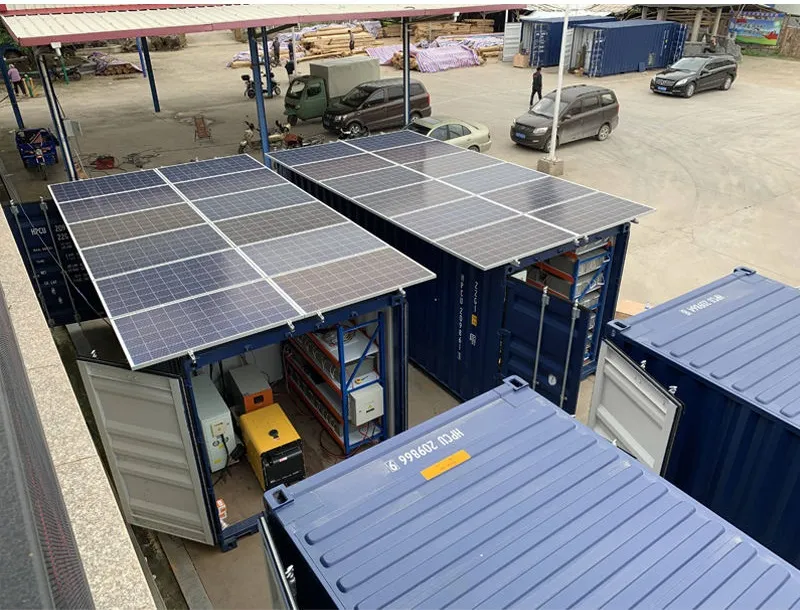
Picture this: you're at your favorite gas station on a bright sunny day. While you're filling up your tank, clean energy is being generated just above your head through sleek solar panels. It feels like progress, doesn't it? But what if I told you those very panels could become a fire hazard that might put lives at risk?
We've all heard how solar power is the future - it's green, sustainable, and cuts down on electricity bills. Gas stations in particular have jumped on this bandwagon, installing panels on their vast roof spaces. But here's the twist that doesn't get talked about enough at neighborhood BBQs or board meetings: these energy saviors come with serious fire risks that many station owners aren't prepared for.
A recent study published in the Journal of Cleaner Production dropped a bombshell: by August 2019, seven Walmart stores with rooftop solar installations had experienced fires. These weren't minor incidents either - we're talking about full-blown emergencies requiring fire department responses.
The scary part? Gas stations face even greater dangers than retail stores. They're handling flammable liquids while potentially housing an electrical fire risk right above the pumps. It's like storing matches next to gasoline - literally.
Remember that gas station fire in LaFarge, Wisconsin back in 2013? Fire investigators traced it back to an electrical fault in the solar installation. Flames spread across the roof within minutes, threatening both the station and nearby businesses. Thankfully everyone got out safe, but it could've ended very differently.
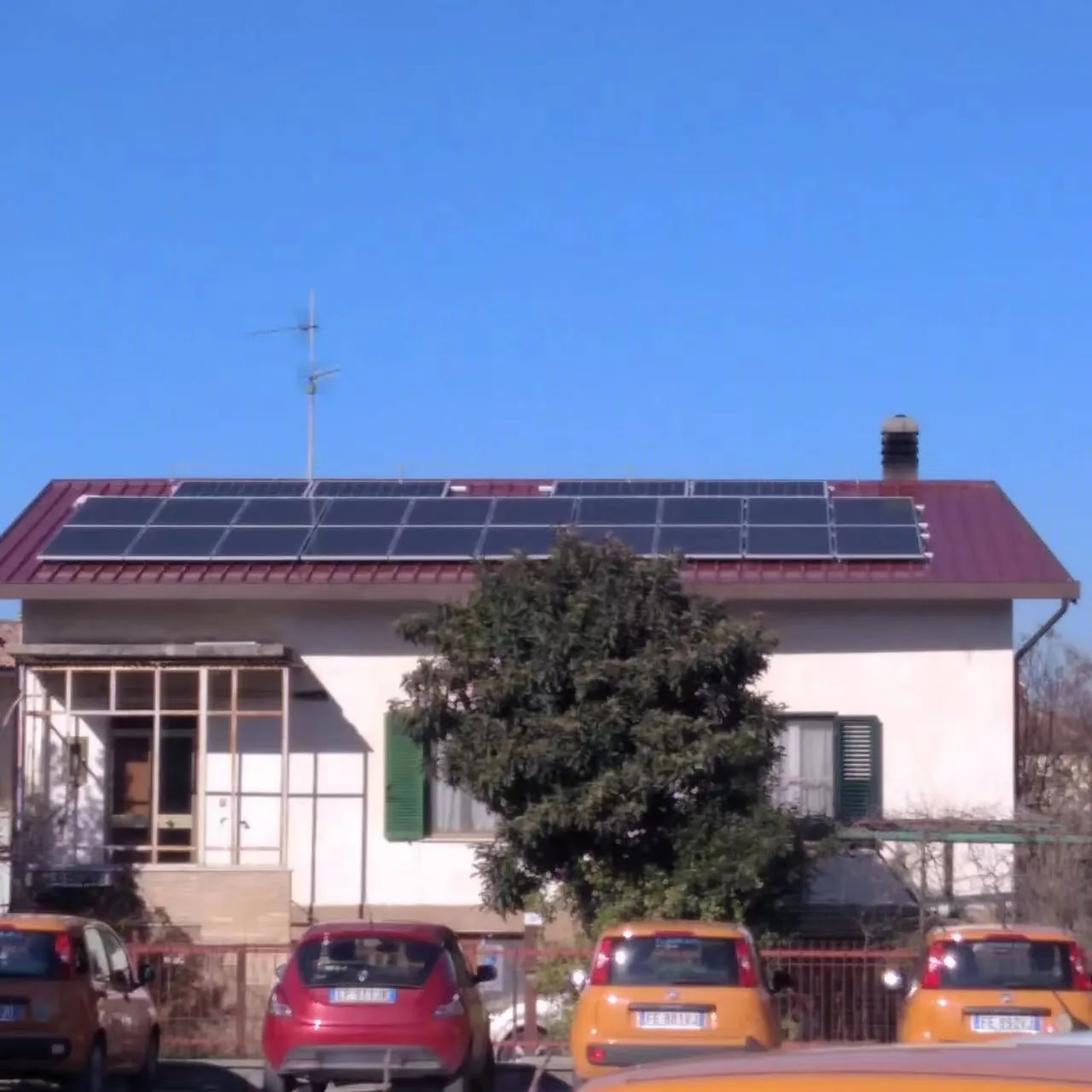
From analyzing multiple fire investigations, three main villains keep showing up:
The Arc Fault Villain: When wiring gets damaged or connections loosen, electricity can jump gaps like tiny lightning bolts. These "arc faults" generate insane heat - we're talking temperatures hot enough to melt metal. When this happens near flammable materials, you've got an instant ignition source.
The Hot Spot Menace: Ever seen how magnifying glasses can start fires? Solar panels can create the same effect if dirt or damage creates shadows on certain cells. These "hot spots" bypass safety mechanisms and can send temperatures soaring beyond 150°C - more than enough to set fire to roofing membranes.
The Toxic Duo - Combustible Roofs + Solar Frames: Many stations have expanded polystyrene insulation under waterproof membranes - essentially solid gasoline waiting for a spark. Combine that with plastic components in solar frames, and you've created an express lane for flames. The toxic smoke produced? It's filled with hydrogen cyanide and carbon monoxide, making rescue operations extremely dangerous.
In an experimental mock-up at the Technical University of Denmark, researchers watched fire spread beneath an array of six solar panels in under 8 minutes. What began as a small electrical fire under one panel became an unstoppable blaze that consumed the entire array.
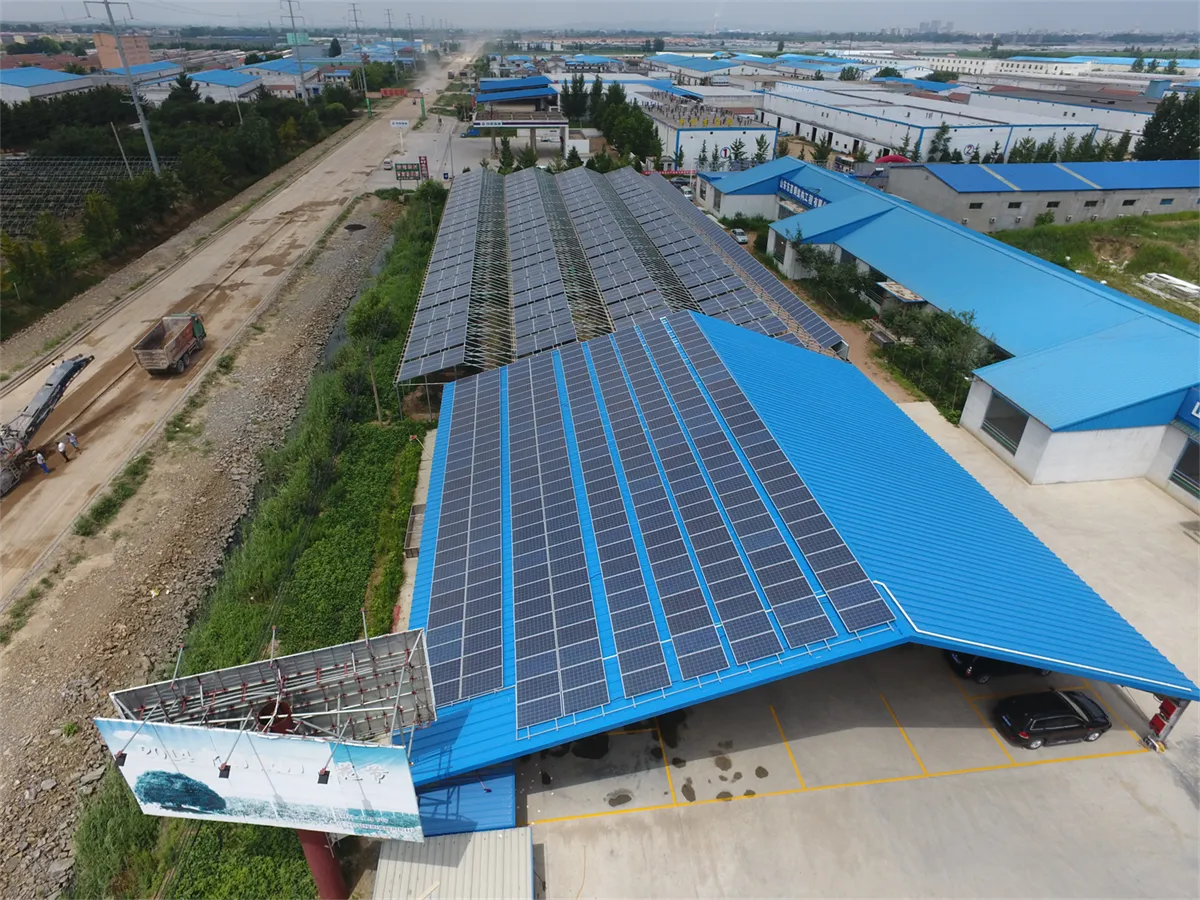
So how do we fix this? Through comprehensive explosion-proof transformations that address every weak link:
It starts with creating physical barriers between panels and roofing materials. Fireproof mineral wool (at least 30mm thick) or polyisocyanurate insulation (40mm) creates a thermal break that stops heat transfer. We're essentially creating a fire-resistant "sandwich" that keeps flames from jumping downward.
One Midwestern gas station chain implemented this with great success. After retrofitting all 37 locations, they eliminated rooftop fire incidents completely - even when electrical faults occurred in the panels. The mineral wool layer contained problems before they could endanger the stations.
Advanced monitoring systems now act as 24/7 guardians. These track:
At the first sign of trouble, these systems can shut down specific panels or entire sections, sounding alarms while pinpointing the exact location of the hazard. They're like having a team of expert electricians watching every connection.
Regular wiring won't cut it above flammable vapors. Explosion-proof transformation requires:
In coastal California stations, where salty air attacks electrical components, this specialized wiring has extended equipment life while eliminating weather-related fire risks.
Implementing fireproof ceiling boards has also proven crucial in containing fires that might start below panels. These specialized boards create critical barriers that give fire crews valuable time to respond before flames spread uncontrollably.
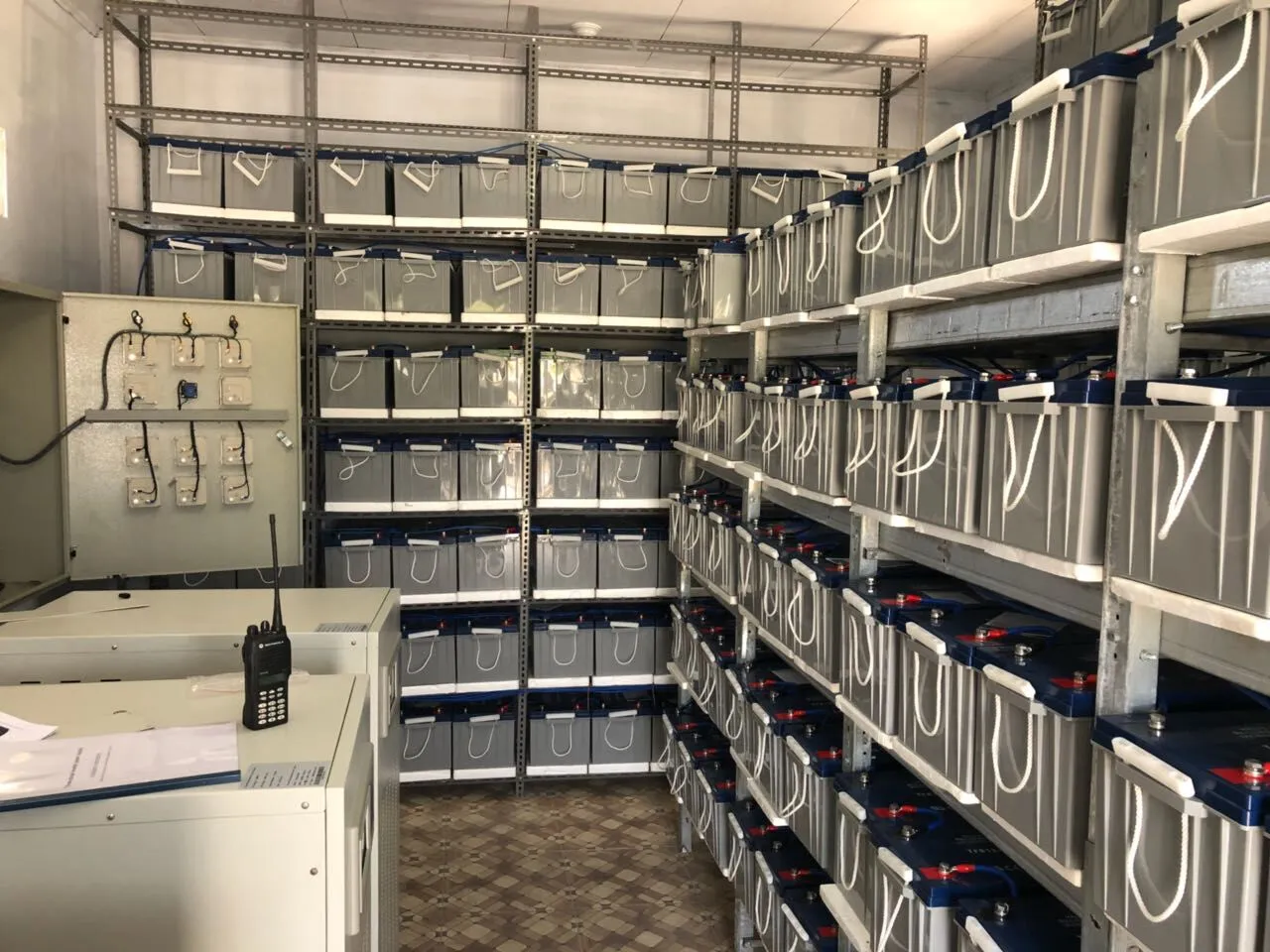
Even with perfect prevention, gas stations need robust fire responses tailored to solar hazards:
Standard firefighting approaches can electrocute crews when water meets solar panels. Explosion-proof transformations include:
In Pennsylvania, this system recently saved a station during a nearby chemical truck fire. Firefighters knew exactly where to position trucks and where to avoid spraying. Their incident commander later remarked: "Without that shutdown switch and map, we'd have been fighting blind."
Gas stations are just the tip of the iceberg. What we're learning here impacts:
The transformation protocols developed for gas stations - where risks are highest - are becoming blueprints for safer solar everywhere. As one industry expert put it during a conference last year: "If solar can be made safe above petroleum fumes, it can be safe anywhere."
Insurance studies show transformed gas stations experience 83% fewer fire-related claims than those with conventional solar installations. The payback period? Often under three years when factoring in insurance savings, energy generation, and avoided disaster costs.
Solar power isn't going away - nor should it. But treating panels as harmless decorations rather than complex electrical systems is asking for trouble. The explosion-proof transformation methodology proves we can harvest sunshine safely, even in the most dangerous environments.
The key is refusing to compromise. Proper materials like mineral wool barriers matter. Meticulous wiring practices matter. Firefighter training matters. These aren't expensive luxuries - they're basic prerequisites that should be standard for every gas station solar installation moving forward.
Imagine driving past your local station not wondering "what if?" but knowing solar panels above fuel pumps are as safe as technology can make them. That peace of mind is what well-executed transformation delivers - both for station owners and the communities they serve.
Recommend Products












