


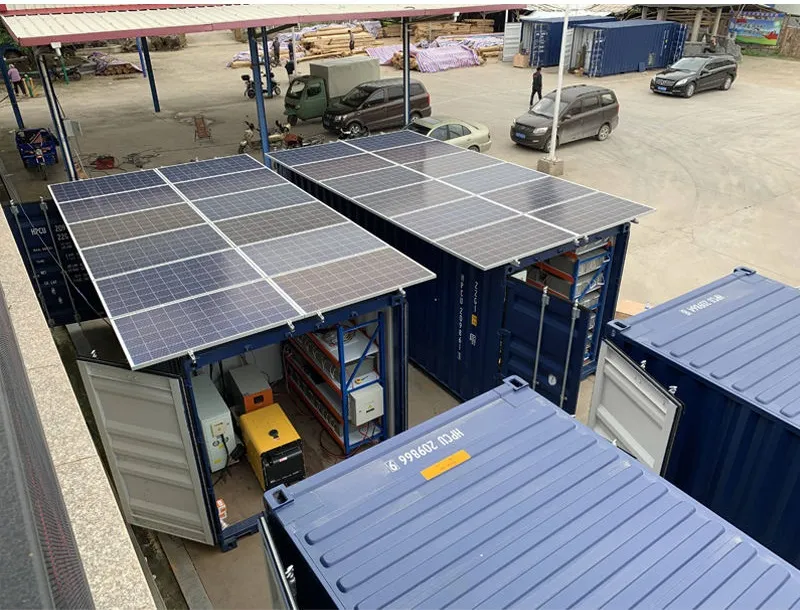
Let's talk about something that seems counterintuitive at first glance: how those shiny solar panels we install to save the planet actually come with their own environmental costs. It's like buying a gym membership only to realize you need to drive twenty miles to get there every day. We all know solar energy is cleaner than fossil fuels in the long run, but what's less talked about is the carbon baggage these panels carry throughout their entire life cycle.
Picture this journey: it begins in factories where raw materials are transformed, continues through installation on rooftops or fields, and doesn't end until decades later when panels are retired and recycled. Each phase contributes to a panel's environmental footprint in different ways, and understanding this lifecycle gives us the complete picture – not just the feel-good marketing version.
The Hidden Weight of Materials
When you look at a solar panel, what you're really seeing is a carefully arranged collection of earth's elements that took significant energy to assemble. That glass surface? Mostly silicon dioxide extracted from quartzite mining. The silver lines conducting electricity? That comes from mines where operators excavate over 200 tons of ore just to get one pound of usable silver.
Then there's the aluminum frame – responsible for about 10% of a panel's total weight. Producing aluminum is incredibly energy-intensive, requiring massive amounts of electricity to separate aluminum from oxygen in bauxite ore. In some manufacturing regions relying on coal power, the carbon emissions from this process alone can account for nearly a quarter of a panel's lifetime footprint before it even ships.
These material demands create a sort of environmental double-challenge: the energy consumed during extraction and refinement, plus the transportation of both raw materials to factories and finished products to installation sites. Some researchers call this the "resource obesity" problem in renewables – meaning we're solving one environmental issue while creating another.
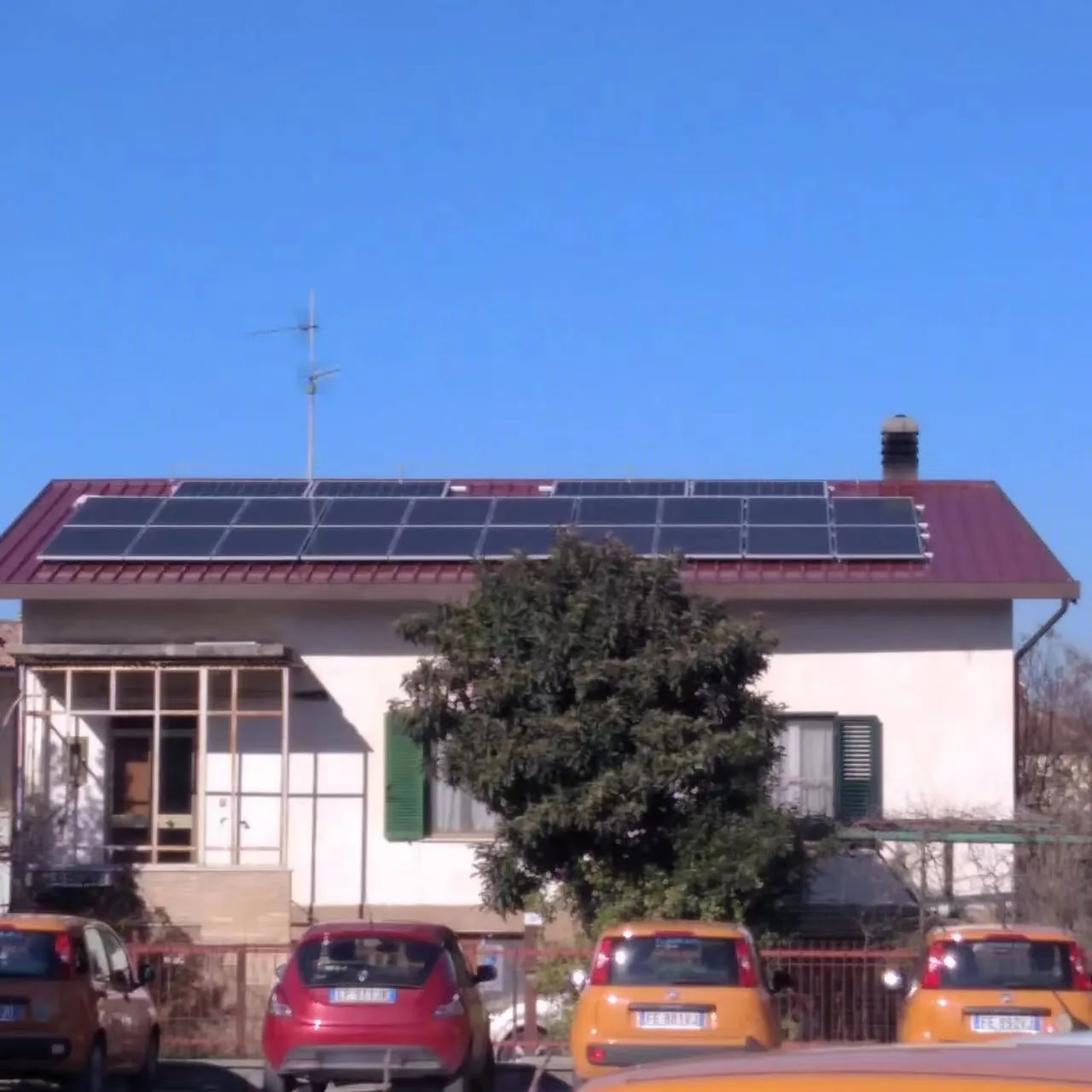
The Energy-Intensive Birth of a Panel
Solar panel factories are fascinating but energy-hungry places. To transform sand into solar-grade silicon requires heating quartzite to nearly 2000°C in special electric arc furnaces. This purification stage alone consumes more electricity than an average American household uses in 15 years – all for about 1 metric ton of silicon.
Then comes the slicing phase where silicon ingots become thin wafers using diamond-wire saws bathed in cooling liquids. This precision cutting wastes up to 40% of the silicon material as slurry – a messy mixture that creates disposal challenges. What many don't realize is that much of this manufacturing relies on the very fossil fuels we're trying to escape from, especially in Asian countries where coal powers about 60% of solar panel production.
The location of factories makes a huge difference in carbon math. A panel made in Germany using mostly renewable electricity will have a 30-40% smaller manufacturing carbon footprint than its identical twin produced in China's coal-dominated grid. That's like choosing between walking to the store versus taking a gas-guzzling truck.
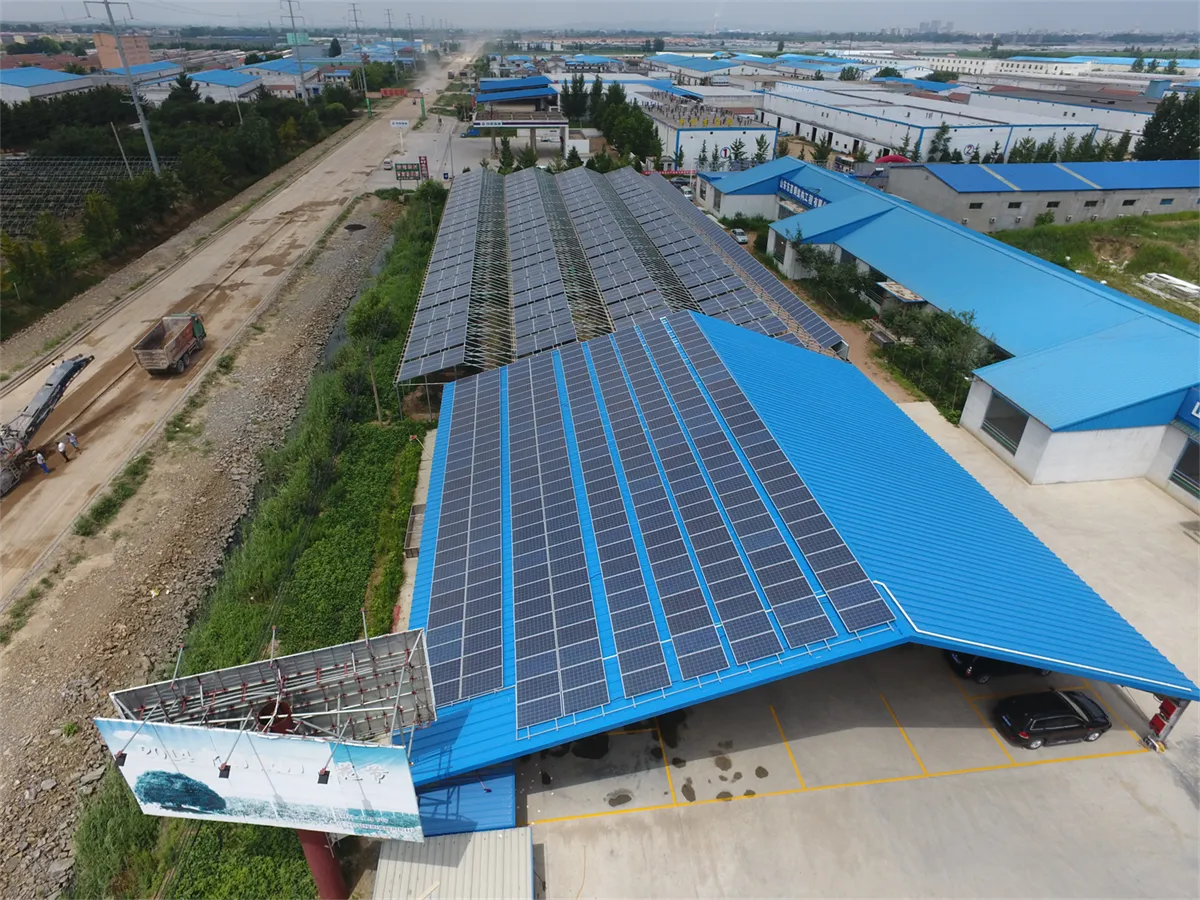
From Factory to Rooftop: The Transportation Puzzle
Here's where things get logistically messy. Most panels take a long trip from factories to installation sites, typically traveling over 12,000 miles by container ships, trains, and trucks. While maritime shipping is relatively efficient (about 15 grams of CO2 per kilometer per ton), the sheer volume adds up quickly.
Consider the math: An average residential solar installation weighs about 1,000 pounds. Getting that from Shanghai to Los Angeles generates approximately 300-400 pounds of CO2 equivalent. That's like filling up a compact car's gas tank nearly 20 times, just for transportation emissions.
But it's not just distance that matters – it's how we install these systems. Ground-mounted solar farms often involve heavy excavation and concrete foundations. The carbon cost of producing and transporting that concrete can add 10-15% to a project's lifecycle emissions. Rooftop installations avoid this foundation problem but may require structural reinforcements for older buildings, introducing steel beams produced in blast furnaces.
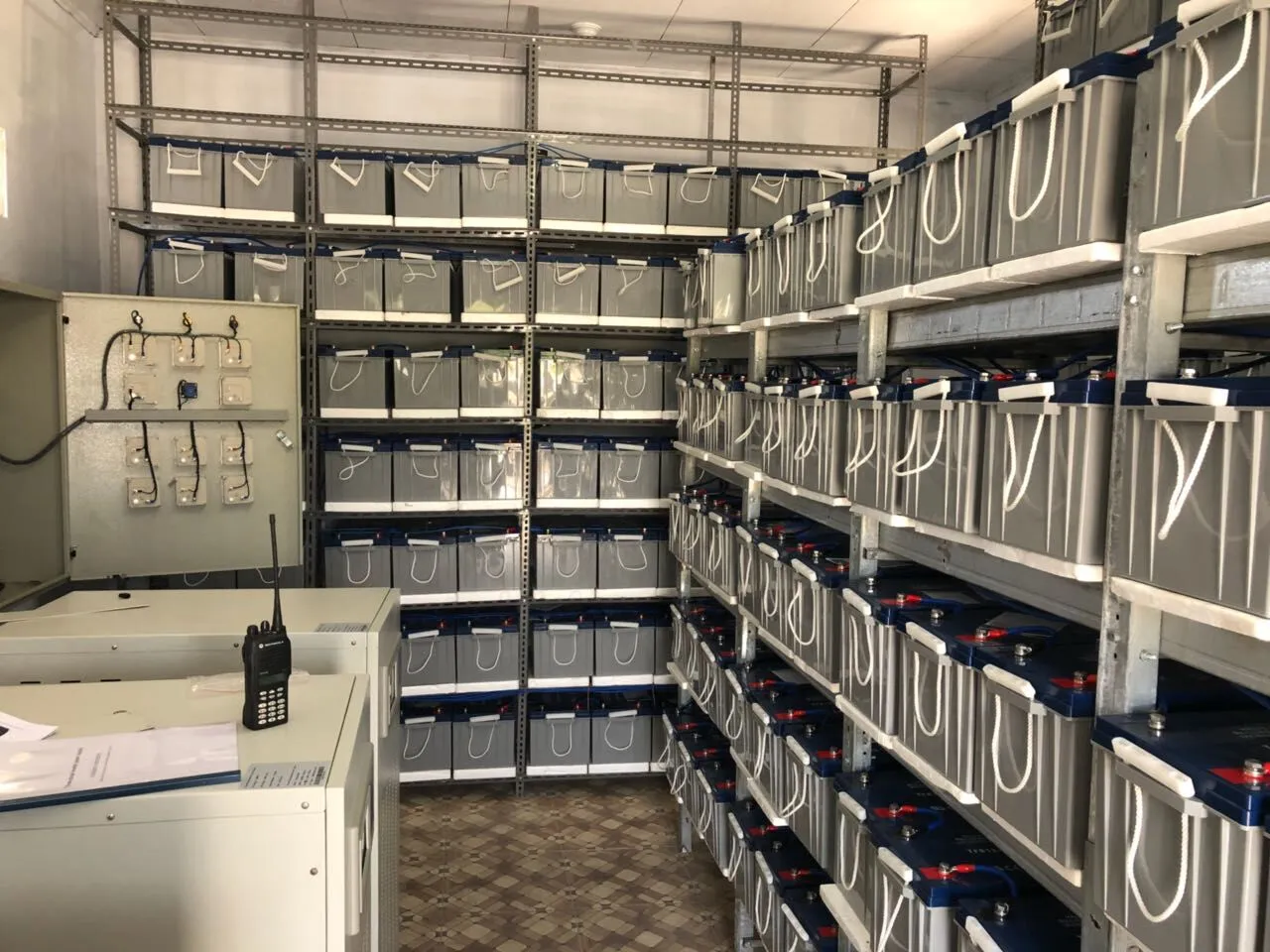
The Clean Energy Payback Period
This is where solar panels shift from carbon debtor to creditor. Think of it as the environmental equivalent of paying off a mortgage. A brand new panel starts its life "owing" all the carbon emissions from its production and shipping. But every day it operates in sunlight, it chips away at that carbon debt.
In sunny Arizona, a modern panel might repay its carbon "mortgage" in just under two years. Move that same panel to cloudy Germany and the payback period stretches to four years. What's remarkable is that regardless of location, after this break-even point, every kilowatt-hour produced is genuinely clean power displacing fossil fuels.
Over a typical 30-year lifespan, that same panel generates 15-20 times more energy than was required to create it. This multiplier effect makes solar exceptionally powerful in the long run – one of the best environmental investments humanity has made, comparable to how forests operate as long-term carbon sinks.
The Circle of Solar Life: Recycling Challenges
All good things must end, and solar panels are no exception. What happens when they reach retirement age around year 30? Currently, we're facing a recycling challenge. Solar panels contain valuable materials – silver, silicon, aluminum – but recovering them is tricky.
Most recycling today is rudimentary: removing aluminum frames (easy) and smashing glass to recover silicon cells (messy). The process recovers only about 70% of material by weight, leaving behind contaminated glass that often ends in landfills. There are new pyrolysis techniques that heat panels to separate components and nanomaterials that can improve recovery rates, but these aren't yet widely implemented.
The carbon accounting here is crucial. If we landfill panels, we lose the carbon savings from recycling – making each disposed panel account for an extra 5-7% lifetime emissions. But through advanced recycling, we can cut emissions from future panel production by 20-30%, since recycled materials require less energy to refine than virgin ones. It's like reusing cooking water instead of boiling fresh every time.
Sizing Up Solar Against Alternatives
Putting solar in perspective requires comparing it to other energy sources. Consider coal: to produce equivalent electricity over 30 years, a coal plant would release about 100 times more carbon than a solar farm's lifetime emissions – including manufacturing, transport, installation and recycling.
Even natural gas, often touted as a "bridge fuel," emits about 30 times more carbon than solar per unit energy over the same period. Where solar really shines (pun intended) is when we analyze cumulative effects. While the first generation of panels had a relatively high carbon footprint, technology improvements have cut emissions per panel by about 70% since 2010.
The efficiency transformation has been staggering: a 2020-vintage panel produces 40% more power than its 2010 counterpart while using 15% less material. This shrinking footprint makes solar increasingly sustainable with each technological leap.
Practical Steps Toward Lighter Footprints
So how can we shrink solar's carbon shoe size even further? On the manufacturing front, the biggest lever is shifting production to regions with cleaner electricity grids. A panel made using solar or hydro power can have 50% lower carbon intensity than one made with coal power.
Material innovation is another frontier. Perovskite solar cells (still experimental) use abundantly available materials rather than rare ones. Some manufacturers are experimenting with carbon-based frames instead of aluminum, potentially cutting weight and emissions simultaneously. And designing panels for disassembly – like Lego blocks instead of welded units – could massively simplify recycling down the line.
For homeowners and businesses choosing panels today, location matters. Buying locally manufactured panels might seem pricier upfront but typically saves 15-25% in transportation emissions. Selecting installers who minimize site preparation can further shrink the installation footprint. And inquiring about recycling programs ensures panels won't undo their good work in a landfill at retirement.
The Big Picture Perspective
Let's zoom out for a moment. While solar panels do carry a carbon burden, that burden represents an investment in future carbon reductions. It's a bit like spending money to insulate a home – there's an upfront cost for long-term savings. The important metric isn't just today's manufacturing emissions, but the carbon dividend over decades of operation.
Industry forecasts suggest solar could provide 20% of global electricity by 2030, offsetting billions of tons of annual carbon emissions. The carbon payback period continues shrinking as factories decarbonize and technology improves. Future panels might even incorporate carbon-capture materials in their design – turning solar arrays into passive carbon sinks.
What often gets missed in carbon accounting is solar's ripple effects. Every kilowatt generated by solar typically displaces the dirtiest power plants first – think coal stations with double the emissions of cleaner gas plants. This creates an outsized carbon benefit compared to simply matching grid averages.
Embracing Complexity for Better Solutions
The story of solar's carbon footprint reveals an important truth about sustainability: nothing is perfectly green. Every solution has environmental costs somewhere in its chain. But with solar, those costs come front-loaded while benefits accumulate over decades. It's the ultimate environmental compound interest scheme.
Looking ahead, we're not talking about incremental improvements but transformation. Imagine factories powered by their own products – solar arrays covering production plants, creating zero-carbon panels. Or recycling facilities that recover 98% of materials using solar-powered processes. These emerging innovations could eventually create solar panels that are carbon-neutral from day one.
For now, solar represents one of our most promising paths to decarbonizing energy, despite its manufacturing footprint. Just as trees take years to grow before capturing significant carbon, solar has its own maturation timeline. By understanding and optimizing this lifecycle, we ensure solar power remains exactly what we need: a genuine solution, not just an improvement.










