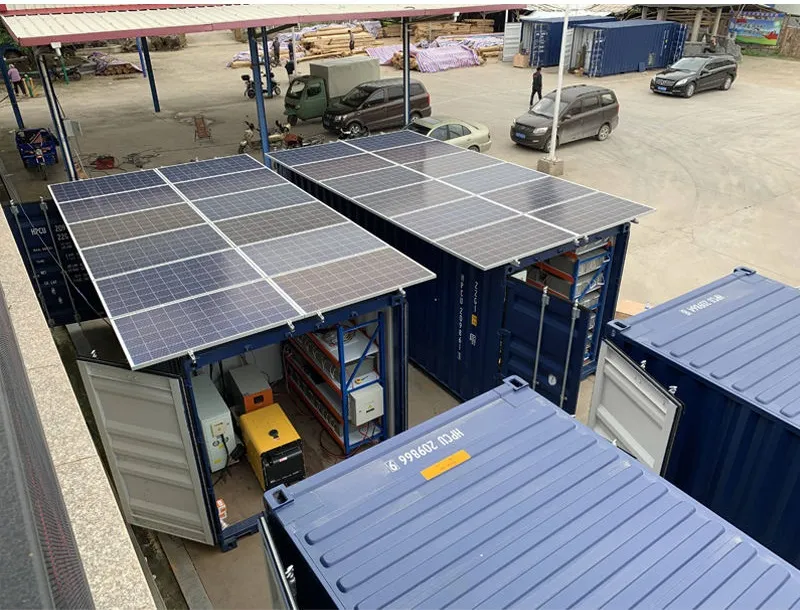
Picture this: you're part of a neighborhood community trying to go green. Everyone's excited about installing solar panels, but there's that nagging question - "How do we make sure we're not wasting money on oversized systems or leaving ourselves in the dark?" That's exactly where a solar panel capacity optimization tool steps in. Think of it as your neighborhood's personal energy advisor, crunching numbers behind the scenes so you can simply enjoy reliable, affordable green energy.
Recent advances from research institutions show us how this technology can transform community energy systems. Studies like the one presented at the 2025 Asia Energy and Electrical Engineering Symposium demonstrate how optimization models can reduce wasted solar energy by over 30% while keeping costs down. But let's not get lost in technical jargon. What matters is understanding how this works for
your community
.
Why Community Microgrids Need Smart Optimization
Community solar projects aren't just about slapping panels on roofs. They're complex dances between energy production, storage needs, and usage patterns. Without proper optimization, you might face:
-
Panels producing more power than needed during sunny afternoons
-
Storage systems overflowing with energy that ends up wasted
-
Unplanned expenses from unnecessary hardware oversizing
-
Grid dependency persisting despite your solar investment
That's where the magic of optimization tools comes in. Imagine a system that knows your neighborhood's routines better than your local barista knows your coffee order. It learns when Mrs. Johnson runs her bakery oven each morning, when the community center pool pump kicks in, and how holiday weekends change everyone's patterns.
Real-World Snapshot:
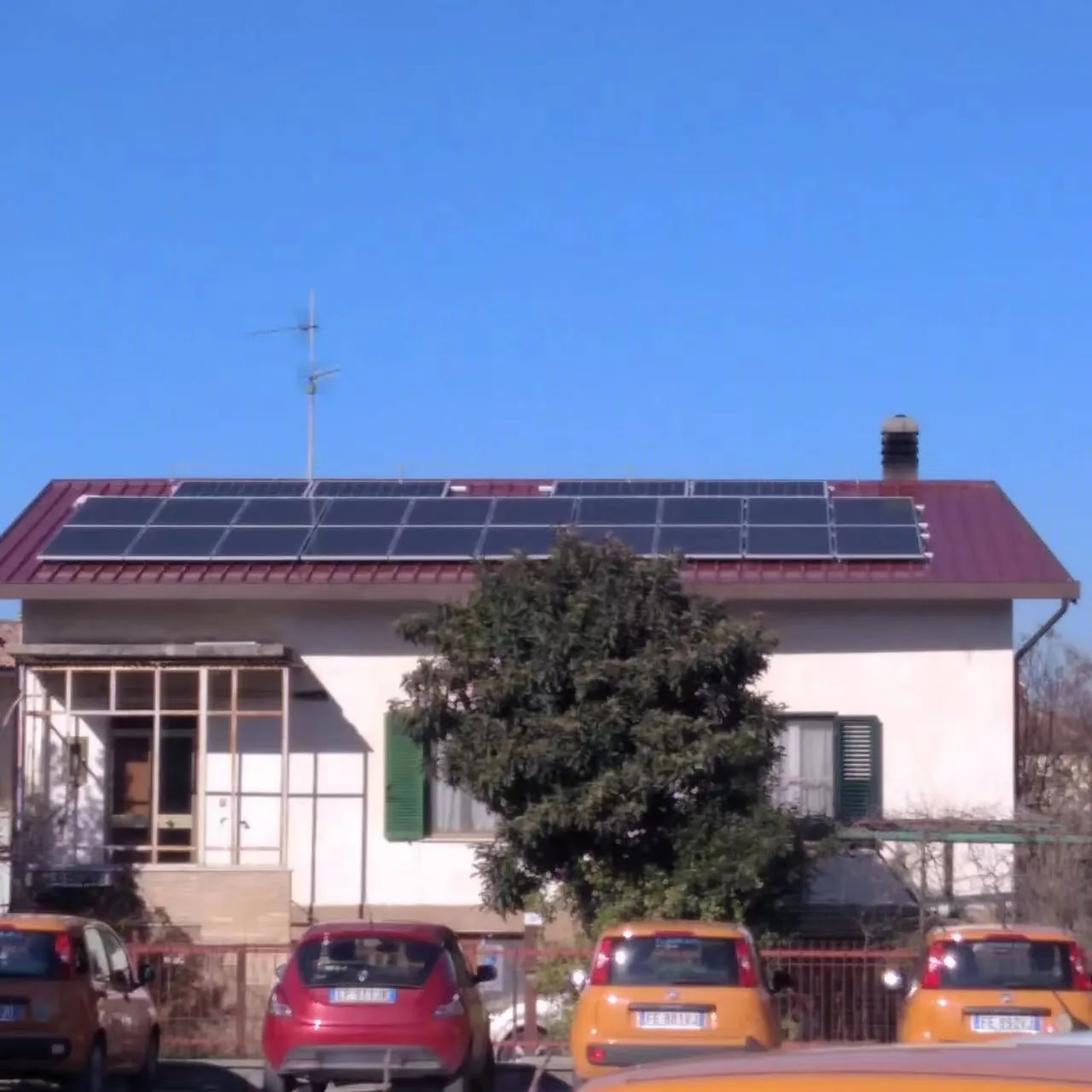
A solar project in Portland used optimization tools to reduce their solar installation by 22% while improving reliability. Instead of guessing capacity needs, their tool analyzed a year's worth of consumption data to precisely match solar generation with usage patterns.
How Optimization Tools Actually Work
At its heart, these tools balance three key aspects:
1. The Economic Equation:
This looks beyond installation costs to consider the full lifecycle. We're talking:
-
Equipment aging and replacement timelines
-
Regional electricity pricing trends
-
Maintenance costs as your tech gets older
2. The Energy Storage Dance:
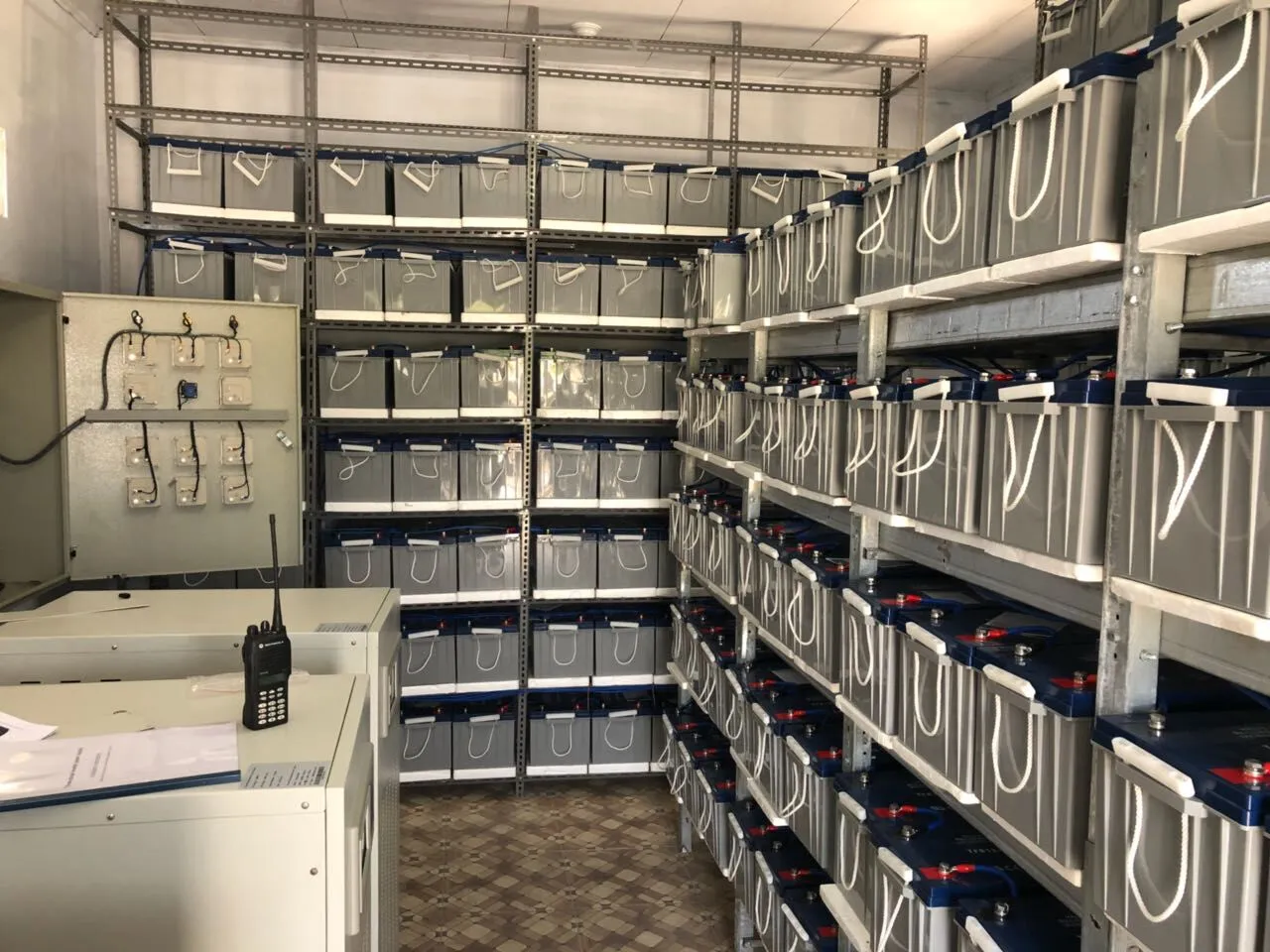
Batteries aren't just black boxes that store electricity. Optimization tools map out:
-
Optimal charging/discharging cycles to extend battery life
-
Seasonal adjustments for longer summer days vs. winter gloom
-
Safety buffers so you never run completely empty
3. The Grid Relationship:
Even standalone microgrids maintain connections to the main grid as backup. Smart optimization determines:
-
When to store energy vs. sell back to the grid
-
How to reduce grid dependency during peak rate hours
-
Emergency protocols for unexpected outages
The real game-changer? Modern tools can adjust these equations on the fly when usage patterns suddenly shift - like when COVID sent everyone home from offices to Zoom from their living rooms.
Overcoming Solar Power's Achilles' Heel: Curtailment
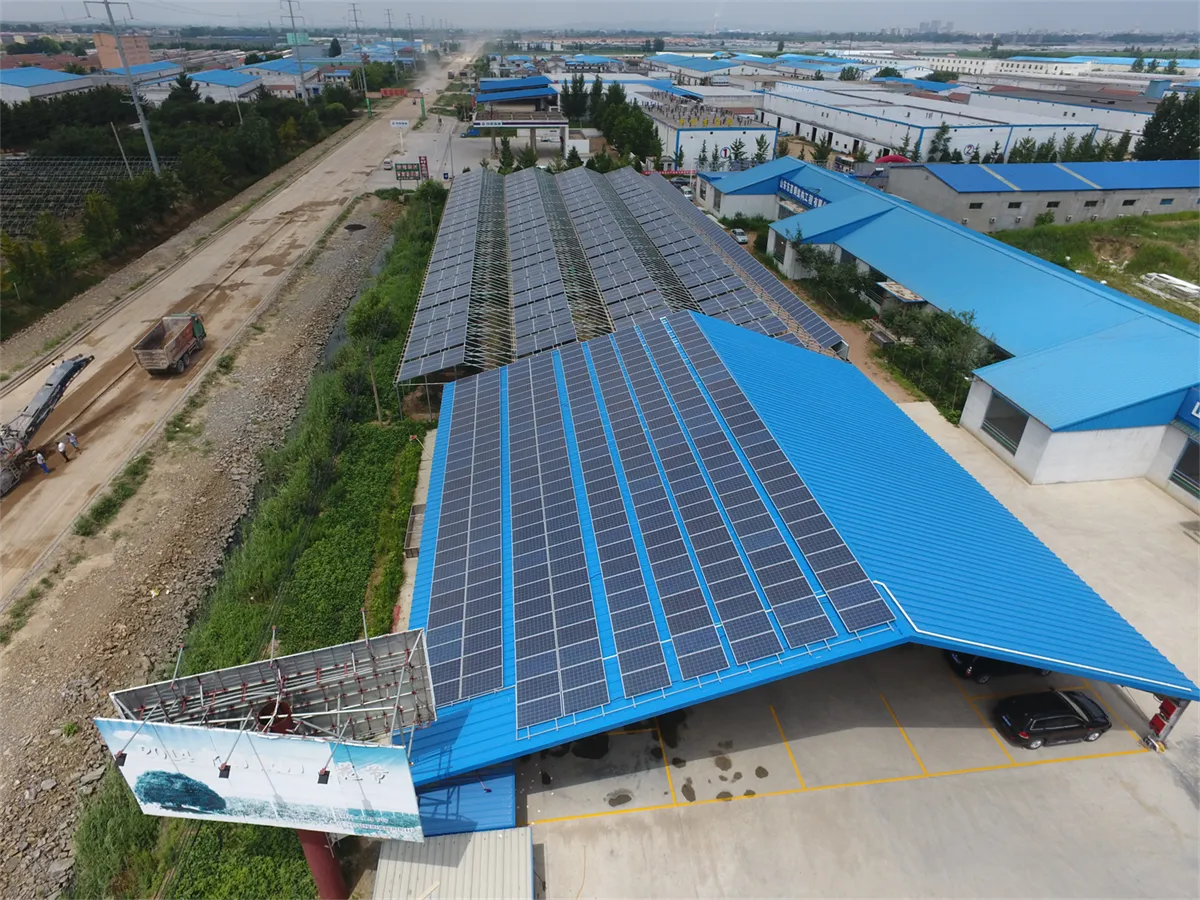
Solar energy waste - what engineers call "curtailment" - is the invisible bleeding of community solar projects. Picture your panels working hard on a bright Saturday, pumping out power while most residents are away hiking or shopping. That energy either gets:
-
Sold back to utilities at low rates
-
Stored until batteries are full, then... wasted
This isn't just lost energy - it's lost money and unrealized environmental benefits. Research shows well-configured optimization can cut curtailment rates to under 5% from typical rates of 15-30%.
How? By developing precision models that:
-
Forecast weather patterns with hyper-local accuracy
-
Map energy production minute-by-minute against predicted needs
-
Create "just-in-time" energy strategies instead of guessing
One innovative approach involves adjustable penalties - the system can prioritize avoiding waste differently during energy shortages vs. surpluses. During droughts, it becomes fiercely protective of every watt; during peak production periods, it intelligently chooses which energy streams to prioritize.
Bringing Optimization to Your Neighborhood
Now for the practical part. Implementing this isn't rocket science, but it requires smart planning:
Step 1: The Data Gathering Phase
Before any hardware gets installed, optimization tools need to understand your community's energy personality. This involves:
-
12 months of utility bills from representative households
-
Survey data about future plans (adding EVs? Expanding community facilities?)
-
Local climate patterns and building infrastructure details
Step 2: The Configuration Process
Using that data, the tool builds multiple optimization scenarios like:
-
Minimal hardware configuration
-
Maximum redundancy for worst-case scenarios
-
Balanced cost/efficiency options
These models get tested against historical weather events and usage data - essentially running virtual simulations of how your system would have performed during that ice storm two winters ago.
Step 3: Real World Calibration
After installation, optimization tools don't stop working. They continuously monitor:
-
Actual vs. predicted performance
-
Hardware efficiency changes over time
-
Unexpected consumption pattern shifts
The goal? Creating a solar installation that grows wiser with time - learning your community's rhythms like a musician learns their instrument.
When Green Tech Meets Financial Smarts
There's a misconception that green technology means spending more. Optimization tools turn this notion on its head by balancing:
The Initial Outlay:
By right-sizing systems, communities typically save 15-30% on hardware costs. It's the difference between buying a comfortable family car vs. a massive bus you only need twice a year.
The Ongoing Economics:
These tools leverage:
-
Time-of-use pricing - charging batteries when electricity is cheap
-
Predictive maintenance - preventing costly emergency repairs
-
Curated tax incentives - automatically applying relevant programs
The most sophisticated models even calculate depreciation schedules and end-of-life replacements, giving communities crystal-clear financial forecasts.
This blend of environmental and economic wisdom creates projects that aren't just eco-friendly, but truly community-sustaining.
Optimization Beyond Your Backyard
The principles powering these community tools have broader implications too. Consider how:
City Planners
could use scaled versions to balance energy across neighborhoods, creating resilient mini-grid networks that support each other during crises.
Emerging Economies
leapfrog traditional grid infrastructure with optimized local systems - powering schools and clinics without expensive central plants.
Industrial Parks
manage complex energy flows between manufacturers, creating shared solar resources where one factory's downtime powers another's peak operations.
The underlying technology - whether applied to a 20-home community or an urban district - represents a fundamental shift: energy systems that work in harmony with actual human patterns instead of demanding we conform to inflexible grids.
The Future of Community Energy
Where's this technology headed? Based on current research trends:
AI Integration:
Future tools might predict consumption shifts before residents do - noticing that gradual adoption of electric lawn equipment requires more summer power.
Grid Harmonization:
As more communities go solar, optimization will expand to coordinate between neighborhoods, balancing surpluses and needs across boundaries.
Lifecycle Management:
Imagine systems that plan their own graceful retirement - recommending panel replacements or battery upgrades based on performance data.
At its core, these developments center around one human truth: we want reliable, affordable, clean energy without becoming part-time power engineers. Optimization tools are the bridge between that desire and reality.
Implementing Without Overcomplicating
How do communities get started? The journey involves:
Choose Flexible Tools:
Look for systems that connect with different inverters and meters - avoiding vendor lock-in that leads to obsolescence.
Demand Transparency:
Providers should clearly explain how their optimization works without hiding behind technical mumbo-jumbo.
Budget for Evolution:
Energy landscapes change. Ensure your tools can adapt to new tariffs, climate patterns, and community needs.
And remember - no community has perfect data upfront. The best optimizers account for uncertainties and learn as they go.
When it comes to sourcing materials, partnering with reliable
solar panel suppliers
ensures your optimization has quality hardware to work with. The combination of properly sized, well-manufactured panels with intelligent optimization creates community microgrids that genuinely deliver on sustainability promises.
The essence is beautifully simple: solar optimization turns community energy from a guessing game into a symphony. Every kilowatt flowing where and when it's needed. Homes and common spaces powered reliably. Resources invested where they create maximum value. Not technology for its own sake, but technology serving people - the heart of what community energy should always be about.