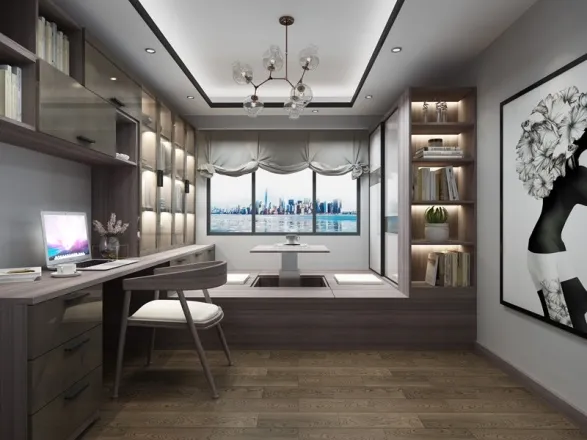
Yes, tatami mats can absolutely be installed over existing tile or wood floors! With the right preparation and approach, you can transform a Western-style room into a peaceful Japanese-inspired sanctuary while preserving your existing flooring. The secret lies in understanding tatami's unique characteristics and adapting your installation method accordingly.
Understanding Tatami Flooring Fundamentals
Traditional Japanese tatami mats are crafted using a combination of rice straw, compressed wood chips, and woven rush grass (igusa). These materials create a unique flooring solution that's both firm yet yielding, cool in summer and warm in winter. Unlike rigid tile or solid wood planks, tatami provides gentle support to joints while improving indoor air quality.
Anatomy of Authentic Tatami
-
Surface Layer:
Woven igusa rush grass (naturally antimicrobial)
-
Core Material:
Compressed rice straw (traditional) or modern wood chips
-
Edging:
Cotton or silk brocade border (heri)
-
Standard Dimensions:
Approximately 90cm x 180cm (varies regionally)
Benefits of Tatami Over Hard Floors
Major Advantages
-
Thermal Comfort:
Natural insulation properties create a comfortable temperature year-round
-
Joint-Friendly:
Gentle cushioning reduces stress on knees and back
-
Moisture Balance:
Rush grass absorbs and releases humidity naturally
-
Acoustic Improvement:
Significantly reduces echo and footstep noise
-
Cultural Authenticity:
Creates authentic Japanese aesthetic without renovation
Important Considerations
-
Elevation Change:
Adds 5-6cm height to existing floors
-
Moisture Sensitivity:
Requires protection against spills and humidity
-
Furniture Considerations:
Heavy furniture needs protective padding
-
Sunlight Exposure:
Direct sun may cause fading over time
-
Renovation Access:
Covers existing flooring completely (plan accordingly)
Installation Approaches for Different Floor Types
The installation approach varies significantly depending on whether you're laying tatami over tile versus wood floors. Understanding their different characteristics is crucial for a successful outcome.
Primary Benefit:
Tile provides a perfectly flat, non-porous surface ideal for tatami
-
Impermeable surface prevents moisture transfer
-
Typically has minimal subfloor movement
-
Doesn't require additional vapor barriers
Primary Benefit:
Natural wood complements tatami's organic aesthetic
-
Requires moisture barrier protection
-
Needs assessment for structural movement
-
Must check for floorboard cupping or gaps
Tile-Specific Installation Guide
-
Surface Cleaning:
Thoroughly clean tile with pH-neutral cleaner
-
Grout Check:
Ensure grout lines are flush with tile surface
-
Expansion Gap:
Leave 8-10mm gap at all walls
-
Mat Placement:
Position tatami mats parallel to longest wall
-
Border Alignment:
Ensure decorative borders (heri) align directionally
-
Threshold Transition:
Install brass reducer strips at doorways
Wood-Specific Installation Guide
-
Moisture Barrier:
Install 6mm polyethylene sheeting over entire surface
-
Leveling Check:
Use laser level to detect uneven areas (fill gaps if >3mm)
-
Underlayment:
Add 3mm closed-cell foam underlayment
-
Directional Layout:
Lay tatami perpendicular to wood grain direction
-
Air Circulation:
Use elevated tatami frames instead of direct placement
-
Seasonal Adjustment:
Allow extra expansion gaps during humid months
Environmental Considerations
Modern tatami mats, particularly those featuring
eco-friendly wood plastic decorative material
cores, offer enhanced durability and moisture resistance compared to traditional rice straw. These innovative materials combine recycled wood fibers with food-grade polymers to create stable tatami cores ideal for installation over hard surfaces in various climates.
Essential Maintenance Practices
Proper care extends tatami life significantly regardless of the underlying surface:
-
Regular Brushing:
Use specialized tatami broom weekly
-
Sun Rotation:
Rotate mats annually for even exposure
-
Spill Management:
Blot liquids immediately with absorbent cloth
-
Seasonal Deep Cleaning:
Professional igusa refresh every 2-3 years
-
Humidity Control:
Maintain 40-60% indoor humidity year-round
-
Sunlight Management:
Use UV-filtering window film to prevent fading
Creative Integration Ideas
Hybrid Flooring Approaches
Combine tatami with existing hard floors:
-
Tatami platform beds over wood floors
-
Sunken conversation pits with tatami mats
-
Tatami meditation zones within larger rooms
-
Borderless tatami-wal transitions for visual flow
Furniture Pairing Solutions
Protective measures for hard items:
-
Non-slip felt pads with wide surface area
-
Custom wood platforms for heavy furniture
-
Legless western-style furniture with tatami bases
-
Lightweight zaisu (Japanese floor chairs)
Tatami installation over tile or wood offers a beautiful fusion of traditional Japanese design and modern convenience. By understanding the specific needs of your underlying floor type and following appropriate preparation steps, you can enjoy authentic tatami benefits without costly demolition. The combination of ancient craftsmanship with contemporary installation techniques creates living spaces that honor Japanese tradition while meeting modern lifestyle needs.