
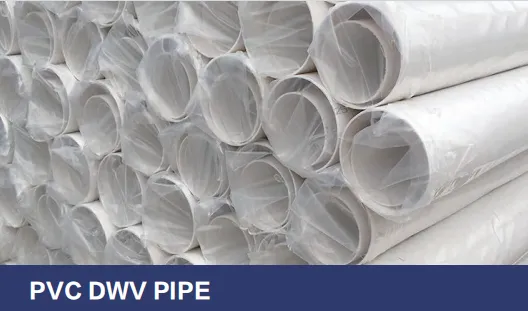
Picture this: You're planning a home renovation, and the contractor mentions rerouting your kitchen drain. Or maybe you're building a small commercial space and need to install a new waste line. The question pops up: Can we use PVC DWV pipes underground? It's a common concern, especially since most people associate PVC DWV (Drain, Waste, Vent) pipes with above-ground use—under sinks, behind walls, or in ceilings. But what if your project requires burying those pipes beneath the soil? Is that a viable option, or are you setting yourself up for costly repairs down the line?
In this guide, we'll dive deep into the world of PVC DWV pipes, their suitability for underground installation, and the step-by-step guidelines to ensure a successful project. Whether you're a DIY enthusiast or a contractor looking to brush up on best practices, we'll cover everything from material basics to real-world applications—and even how to choose the right pvc dwv pipe supplier to avoid headaches later.
First, let's get clear on what PVC DWV pipes are. DWV stands for Drain, Waste, and Vent, and these pipes are specifically designed to carry wastewater and sewage away from a building while also allowing air to circulate in the system (that's the "vent" part). Unlike pressure pipes (like those used for water supply), DWV pipes operate under gravity, so their design prioritizes smooth flow and airtight joints to prevent leaks and odors.
PVC (Polyvinyl Chloride) is the material of choice here for good reason. It's lightweight, affordable, resistant to corrosion (a big plus compared to metal pipes), and easy to cut and join. Most PVC DWV pipes are white or gray, with markings indicating their size (e.g., 2-inch, 3-inch) and compliance with industry standards like ASTM D2665 (the standard for PVC DWV pipes in the U.S.).
Traditionally, these pipes are used above ground—think under your bathroom sink, in the basement ceiling, or along the exterior of a building. But as construction techniques evolve and budgets get tighter, many homeowners and contractors are wondering: Why not take advantage of PVC's benefits underground?
Let's cut to the chase: PVC DWV pipes can be used underground, but they're not a "one-size-fits-all" solution. Their success depends on careful planning, proper installation, and adherence to local building codes. To understand why, let's break down the pros and cons of burying PVC DWV pipes.
Cost-Effective: PVC is significantly cheaper than metal alternatives like cast iron or copper. For large projects—say, a commercial property with extensive drainage needs—this can translate to thousands of dollars in savings.
Corrosion Resistance: Unlike metal pipes, PVC doesn't rust, corrode, or degrade when exposed to soil, moisture, or most chemicals (we'll talk about exceptions later). This makes it ideal for areas with high groundwater or acidic soil.
Lightweight and Easy to Install: Carrying a 10-foot section of cast iron pipe is no joke. PVC DWV pipes, on the other hand, are lightweight, making them easier to transport and maneuver in tight trenches. They also join quickly with solvent cement, reducing installation time.
Smooth Interior: PVC's smooth inner surface minimizes clogs by allowing wastewater to flow freely. This is a big advantage over concrete or clay pipes, which can develop rough patches over time that trap debris.
PVC DWV pipes aren't perfect for every underground scenario. Here are the main limitations to consider:
Temperature Sensitivity: PVC becomes brittle in extreme cold (below 20°F/-6°C) and can soften in high heat (above 140°F/60°C). If you live in an area with harsh winters or plan to install pipes near heat sources (like a boiler room), you may need to take extra precautions.
Pressure Limitations: Remember, DWV pipes are gravity-fed, not designed for pressure. Burying them under heavy loads (like a driveway or parking lot) without proper reinforcement can cause them to crack or collapse.
Chemical Exposure: While PVC resists most household chemicals, it can be damaged by strong solvents, oils, or industrial chemicals. If you're installing pipes near a garage, workshop, or commercial kitchen, check for potential chemical runoff.
Before you start digging, there are several critical factors to evaluate. Skipping these steps is like building a house without a foundation—eventually, things will fall apart.
Soil isn't just dirt—it's a dynamic environment that can make or break your underground pipe system. Here's how different soil types affect PVC DWV pipes:
If the pipes will be buried under a lawn, the load is minimal. But if they're under a driveway, patio, or commercial parking lot, you need to calculate the "live load" (traffic, vehicles) and "dead load" (soil weight). Most PVC DWV pipes are rated for residential loads, but for commercial projects, you may need thicker-walled pipes or additional reinforcement (like concrete sleeves).
Building codes vary by city and state, and many have specific rules about underground DWV installation. For example, some areas require a minimum burial depth (often 18–36 inches) to protect pipes from freezing or damage. Others mandate specific pipe sizes or slope gradients (typically 1/4 inch per foot for 2-inch pipes, 1/8 inch per foot for larger pipes). Always check with your local building department before starting—ignoring codes can lead to failed inspections and costly rework.
Before digging, call 811 (the national "Call Before You Dig" hotline in the U.S.) to locate underground utilities like gas lines, electrical cables, or water mains. Accidentally hitting a utility line isn't just dangerous—it can result in fines or service disruptions.
Now that you've done your homework, let's walk through the installation process. Follow these steps, and you'll significantly reduce the risk of leaks, clogs, or collapses.
Start by mapping the pipe route. The goal is to create a gradual slope (remember, gravity does the work!) to ensure wastewater flows freely. Use a level or laser level to mark the slope—even a 1/8-inch per foot variance can cause standing water, which leads to clogs and odors.
Also, plan for cleanouts—access points along the pipe where you can snake a drain or inspect for blockages. Most codes require a cleanout every 50 feet or at changes in direction.
Trench width should be at least 12 inches wider than the pipe diameter to allow for bedding and backfill. Depth depends on local codes and frost lines (pipes should be buried below the frost line to prevent freezing). For example, in colder climates, this could be 36 inches or more; in warmer areas, 18 inches may suffice.
Once the trench is dug, add a bedding layer of compacted sand or gravel (4–6 inches deep). This cushions the pipe and prevents it from resting directly on soil, which can cause uneven stress.
Not all PVC DWV pipes are created equal. When shopping, look for pipes labeled "SDR 35" or "Schedule 40" (SDR 35 is thicker and better for underground use). Avoid using thin-walled pipes (like Schedule 20) underground—they're too fragile.
This is where choosing a reputable pvc dwv pipe supplier comes in. A good supplier will provide pipes that meet ASTM standards, offer technical support, and even help you select the right fittings ( elbows, tees, couplings). Don't skimp here—cheap, low-quality pipes are prone to cracking, especially underground.
Pro tip: Buy extra fittings. It's frustrating to run out of a 90-degree elbow halfway through installation, and rushing to a hardware store for a generic fitting (which may not match) can compromise the system.
PVC DWV pipes are joined using solvent cement (also called "glue"), which chemically melts the pipe and fitting, creating a permanent bond. Here's how to do it right:
Backfilling is where many DIYers go wrong. Piling dirt on top of the pipes too quickly can shift them or cause cracks. Instead, backfill in layers (6–8 inches at a time), using a tamper or plate compactor to compact each layer. Avoid using rocks or heavy clods in the first 12 inches above the pipe—stick to sand or fine soil.
If the trench is deep, consider using a "sand blanket" (a layer of sand over the pipes) to distribute weight evenly. For areas with heavy traffic, you may need to add a layer of gravel or even a concrete slab on top.
Before you finish backfilling, test the system to ensure there are no leaks. The two most common tests are:
Fix any leaks before backfilling the rest of the trench. Once the soil is compacted, finding a leak is a nightmare—you'll have to dig up the entire system, which is time-consuming and expensive.
Even with careful planning, mistakes happen. Here are the most frequent blunders and how to steer clear of them:
Gravity is your only ally in DWV systems. A slope that's too shallow (less than 1/4 inch per foot for small pipes) causes wastewater to pool, leading to clogs and odors. A slope that's too steep (more than 1 inch per foot) can make solids settle out, also causing clogs. Use a level or laser to get it just right.
We get it—you're eager to finish. But solvent cement needs time to cure. Testing or backfilling too soon can break the bond, resulting in leaks. Follow the curing time on the cement label, and if it's cold or humid, add extra time.
Bedding isn't optional. Placing pipes directly on soil (especially rocky or uneven soil) can cause them to crack under pressure. Spend the extra time and money on sand or gravel bedding—it's a small investment to avoid big repairs.
Building codes exist for a reason. They ensure safety, prevent environmental damage, and protect homeowners from shoddy work. Skipping a permit or ignoring code requirements can lead to fines, insurance issues, or even having to redo the entire project. When in doubt, call your local building inspector—they're there to help, not just enforce rules.
Still on the fence about PVC DWV? Let's compare it to other common underground drainage materials to see how it stacks up.
| Material | Cost (per foot) | Durability | Installation Ease | Corrosion Resistance | Temperature Tolerance |
|---|---|---|---|---|---|
| PVC DWV | $1–$3 | Good (20–40 years) | Easy (lightweight, solvent cement) | Excellent (resists rust, chemicals) | Fair (brittle below 20°F; softens above 140°F) |
| Cast Iron | $10–$20 | Excellent (50+ years) | Hard (heavy, requires gaskets or welding) | Poor (prone to rust in moist soil) | Excellent (handles extreme temps) |
| HDPE (High-Density Polyethylene) | $3–$5 | Excellent (50+ years) | Medium (flexible, heat-fused joints) | Excellent (resists chemicals, UV rays) | Excellent (flexible in cold; heat-resistant) |
| ABS (Acrylonitrile Butadiene Styrene) | $2–$4 | Good (30–50 years) | Easy (similar to PVC) | Good (but less chemical-resistant than PVC) | Poor (prone to cracking in cold) |
As you can see, PVC DWV is the most budget-friendly option, with good durability and easy installation. HDPE is a close second (more durable but pricier), while cast iron is overkill for most residential projects. For most homeowners and small commercial jobs, PVC DWV is the sweet spot—provided it's installed correctly.
Still not convinced? Let's look at a few examples of PVC DWV pipes thriving underground:
Many homeowners install French drains (underground pipes with perforations) to redirect water away from their foundation. PVC DWV pipes are perfect for this because they're affordable, corrosion-resistant, and easy to slope. A friend of mine used 4-inch PVC DWV pipes for a French drain in his backyard, and 10 years later, it's still keeping his basement dry—even during heavy rains.
Restaurants and cafeterias often bury PVC DWV pipes to connect grease traps to the main sewer line. The pipes' smooth interior prevents grease buildup, and their corrosion resistance stands up to the harsh chemicals used to clean kitchen drains. A local pizzeria I worked with installed 3-inch PVC DWV pipes underground 15 years ago; they've never had a clog or leak.
Municipalities and commercial properties use PVC DWV pipes for stormwater drainage under parking lots. With proper bedding and reinforcement, they handle the weight of cars and trucks. One shopping center near me installed 6-inch PVC DWV pipes under their parking lot 20 years ago—no issues, even with daily traffic from delivery trucks.
We've mentioned this before, but it's worth repeating: Your choice of pvc dwv pipe supplier can make or break your project. Here's what to look for:
Ensure the supplier's pipes meet ASTM D2665 (the standard for PVC DWV pipes). Ask for a certificate of compliance—reputable suppliers will have no problem providing this. Avoid suppliers who can't verify their products' quality—you're gambling with your project.
A good supplier doesn't just sell pipes—they offer advice. Do they have experts who can help you calculate slope, select fittings, or troubleshoot installation issues? If you're a contractor, this can save you hours of research; if you're a DIYer, it can prevent costly mistakes.
Look for a supplier who carries not just pipes, but also fittings, primers, cement, and tools. Buying everything from one source ensures compatibility and saves time. Some suppliers even offer custom-cut pipes, which is handy for odd-sized projects.
Check online reviews, ask for references, or talk to other contractors. A supplier with a history of happy customers is more likely to deliver quality products and service. Avoid suppliers with a pattern of complaints about cracked pipes or unresponsive customer service.
So, can PVC DWV pipes be used underground? Absolutely. They're affordable, easy to install, and durable—when installed with care. The key is to plan thoroughly, evaluate your soil and load conditions, follow proper installation steps, and choose a reputable pvc dwv pipe supplier.
Remember: Underground pipe installation is not a project to rush. Take the time to research local codes, test the system, and backfill properly. If you're unsure about any step, hire a professional—spending a little extra now can save you thousands in repairs later.
At the end of the day, PVC DWV pipes are a versatile, cost-effective option for underground drainage. With the right approach, they'll serve you well for decades to come.
Recommend Products












