
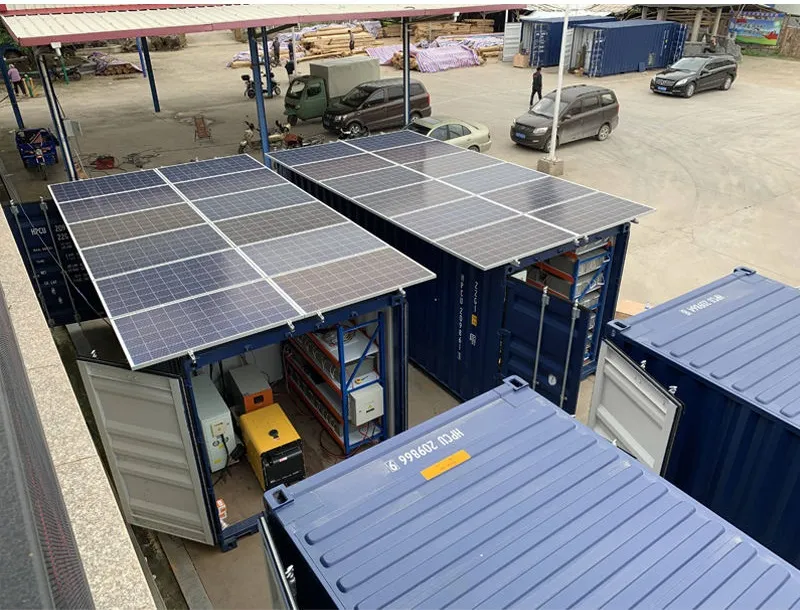
Let's cut straight to the chase: solar panels and electric vehicles aren't just a good pair, they're basically PB&J for your wallet and the planet. If you're wondering how many shiny solar panels you'll need to kiss gas stations goodbye forever, stick with me. We'll crunch the numbers together with real-world examples that actually make sense for your driveway and your driving habits.
Here's the simple truth – electric cars thrive on sunshine power. Charging from your roof is cleaner than anything you'll get from the grid, saves you a ton long-term, and lets you say "no thanks" to gas price rollercoasters. It's a match made in eco-heaven that puts you in control of your fuel source.
Not all electric cars sip electrons the same way. Your daily commute distance is crucial, but so is your vehicle's efficiency. That Tesla Model Y? It's about 3.8 miles per kWh. A Ford F-150 Lightning? More like 2.2 miles per kWh – it's thirstier because physics demands it for moving all that metal.
Arizona isn't Michigan when it comes to sun. We're not just talking rainy days either – panel tilt, shading from that neighbor's oak tree, and seasonal shifts change the game. That's why location isn't just real estate talk – it's solar math.
Just like EVs, panels aren't identical twins. Modern ones hit 400W regularly, but older systems might be 300W or less. This wattage rating plus how long sun actually hits them equals your daily energy harvest. No smoke and mirrors.
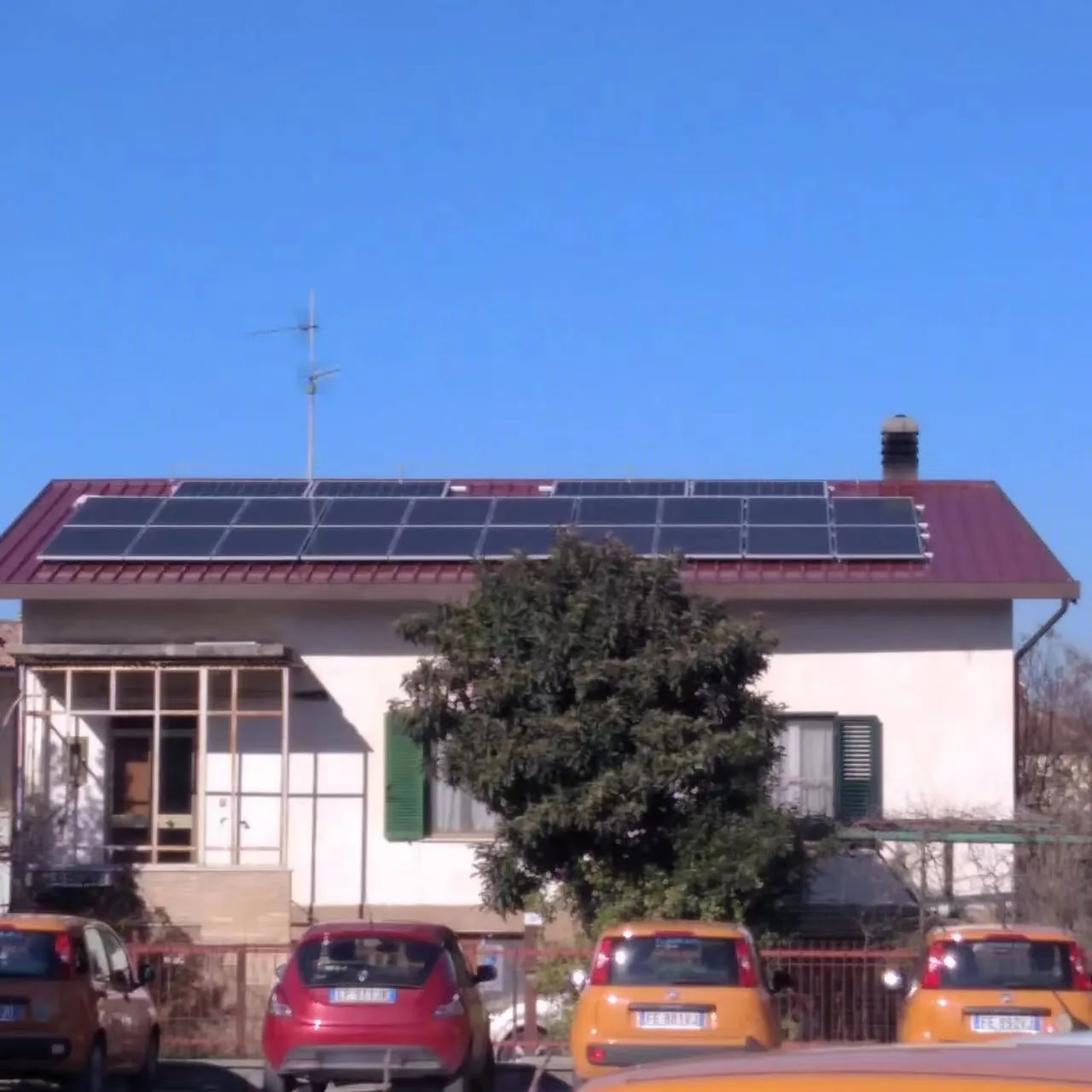
Step 1: Know Your EV's Energy Diet
National average driving is 13,500 miles yearly (about 37 miles/day). Take your EV's efficiency – let's say
3.8 miles/kWh
for a Tesla Model Y. Daily energy needed:
37 miles ÷ 3.8 miles/kWh = 9.7 kWh
.
Step 2: Your Solar Panel's Power Punch
A standard
360W
panel in a location with
4.5 peak sun hours
daily produces:
360W × 4.5h = 1,620 Wh (or 1.62 kWh)
per panel daily.
Step 3: The Magic Division
Panels needed:
9.7 kWh ÷ 1.62 kWh/panel ≈ 6 panels
. Real world? Round up since partial panels don't exist.
This isn't fixed math – change any ingredient (more driving, less sun, different car) and you'll adjust the recipe. That's why those "solar panel calculators" online give ranges, not absolutes.

| Vehicle Model | Daily Miles | Efficiency (mi/kWh) | Panel Wattage | Sun Hours | Panels Needed |
|---|---|---|---|---|---|
| Tesla Model Y (AZ) | 37 | 3.82 | 360 | 5.5 | ≈5 |
| Ford Lightning (NY) | 37 | 2.17 | 360 | 4.2 | ≈12 |
| Nissan Leaf | 30 | 4.50 | 400 | 4.5 | ≈4 |
| Rivian R1S | 40 | 2.10 | 400 | 5.0 | ≈10 |
Notice how geography plays out? That Rivian in sunny California cuts nearly 30% off panel needs versus upstate New York. Your location is literally your energy partner here. And vehicle choice? A sleek EV sedan needs way less solar real estate than an electric truck.
For most drivers with reasonably efficient EVs in decent sun zones, 7-10 panels covers your charging. That's roughly 15-25% of a typical home solar installation. But here's the kicker – if you already have panels, we're just talking about bolting on a few extras rather than starting from scratch.

At current rates, solar electricity costs about 6-8¢/kWh . The grid? 16.6¢/kWh average. Public chargers? 40¢/kWh! Over 25 years, charging a Tesla Model Y exclusively with solar saves about $15,000 compared to grid power and a jaw-dropping $65,000 compared to gas cars.
Pairing solar with EVs completely transforms your transportation footprint. While the electrical grid is getting cleaner, it still relies heavily on fossil fuels. Using eco-friendly building materials in your solar installation amplifies this benefit. Solar EV charging prevents about 5-8 tons of CO2 annually versus grid charging – equivalent to planting nearly 100 trees every year.
Here's where it gets exciting – that $7,500 EV tax credit? You can stack it with the 30% federal solar tax credit. Some states pile on additional incentives. Suddenly, those extra panels become way more affordable with money-back offers.
Battery Backup: Your Nighttime Charging Buddy
Sunshine doesn't work 9-5. If you charge overnight, a solar battery captures daytime energy. For a typical EV, you'll want about
10-15 kWh storage capacity
. This adds to system cost but provides blackout protection too.
Panel Placement Matters
South-facing roofs in North America are gold. East-west? You'll lose 10-20% efficiency. Tilt angle? Around 30-40 degrees works best for year-round sun capture. Shading is your enemy – even small shadows dramatically reduce output.
EV Charger Type Changes Things
Level 1 (standard outlet) is slow – just 4-5 miles per hour. Level 2 chargers (240V) deliver 20-40 miles per hour. Your solar setup needs to match your charger speed. Most homeowners pair 7-10 panels with a Level 2 charger for overnight replenishment.
Solar tech keeps improving – panels pushing 500W are entering the market. EVs get more efficient too. The new Aptera solar EV claims up to 40 miles/day from built-in panels! While most cars won't achieve that, trends point toward needing fewer panels for the same range.
If you're serious about never paying for "fuel" again, sit down with a solar pro. They'll analyze your actual roof space, shading, and energy bills. Most good installers will calculate your exact EV charging needs into your total system design. The future's solar-powered – and it starts in your driveway.
Recommend Products












