


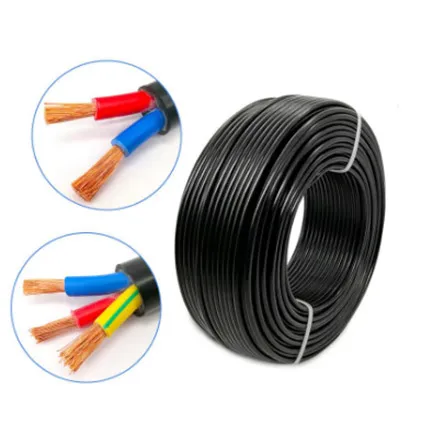
The Unseen Backbone of Food Safety
Let's be honest – when we think about food safety, cables and wiring are probably the last things that come to mind. We obsess over stainless steel surfaces, antimicrobial floor coatings, and automated cleaning systems. But what about those snaking bundles of wires that power your equipment and connect your sensors? They're like the nervous system of your facility, yet they often get treated like an afterthought.
Picture this: You've just finished a deep-cleaning cycle in your processing area. Everything sparkles – except those cable trays up near the ceiling. They're collecting dust, grease, and who-knows-what-else because nobody designed them with cleaning in mind. Or maybe you've got protective conduits that have cracked over time, creating impossible-to-clean crevices. Sounds familiar? You're not alone.
"We've found that over 60% of contamination issues trace back to poorly managed infrastructure – and cabling is consistently in the top three offenders," notes a food safety auditor with 20 years' experience. "It's the dark corner of food safety that everyone hopes inspectors won't look at too closely."
What the Rules Really Say
EU Regulation 852/2004 doesn't mince words: Every surface in food handling areas needs to be cleanable. And yes, that includes cables. But let's break this down into plain English:
The Non-Negotiables:
- If it's in a food zone, it needs to withstand daily washdowns
- No hidden pockets where gunk can accumulate
- Materials must survive chemicals without degrading
- Design should prevent contamination even if something fails
The problem? Most standard industrial cabling solutions were never designed with these requirements in mind. They might work great in an automotive plant, but in your sauce production area? They're contamination waiting to happen.
Old Solutions That Cause New Problems
Remember those plastic cable ties everyone used? Big mistake. The backs collect grime and the material becomes brittle. How about snapped conduit joints? They're basically bacteria hotels. And vertical support systems with crossbars? Impossible to clean without disassembling everything.
One plant manager told me: "We'd schedule half a day just to clean cable runs before audits. It was ridiculous – we had to use toothbrushes to get into the gaps." That's lost productivity that hits your bottom line.
Modern Solutions That Actually Work
The good news? We've come a long way. Here's what truly hygienic cabling looks like today:
The Magic of "All-in-One" Conduits
Imagine wrapping your power, data, and signal cables together in one smooth sleeve. That's what modern protective conduit systems offer. The breakthrough? That spiral-wound interior that prevents snapping even when empty. No more leaks, no more cracks – just a continuous surface that your foam guns can actually clean.
The latest versions come with genius connection systems too. Think:
- Reducing adapters that fit perfectly to connectors without losing diameter
- 90° elbows that hug equipment contours
- T-pieces for branching without creating contamination points
Game-Changing Support Systems
Remember those nightmare cable trays? Meet their hygienic replacements. Modern cable support systems lie flat against walls with rounded rungs and spring-loaded cable holders. The killer feature? They eliminate plastic ties entirely – those little germ magnets we all used to struggle with.
At a dairy plant I visited, they'd switched to a streamline system. The maintenance supervisor grinned while explaining: "What used to take two hours to clean now takes twenty minutes. And our environmental swabs show zero issues since installation."
"The best part? These systems pay for themselves in reduced cleaning time alone within 18 months," says a hygienic design consultant. "When you add reduced contamination risks, it's a no-brainer."
The Hollow Space Debate Solved
You've probably heard the "no hollow spaces" rule. But modern engineering has flipped the script. With new welding techniques and designs, hollow frames and conduits can be completely sealed systems. The trick is in advanced manufacturing:
- 3D laser pre-shaping eliminates weak points at joints
- Food-grade dyes that visibly leak if integrity fails
- Double-sealed connections that laugh at high-pressure spray
As one engineer put it: "A well-made hollow system beats a solid one any day. You get better access for inspection and cleaning – it's simpler to verify." That's a massive shift from just five years ago.
Practical Application: A Case Study
Take a bakery client of mine. They had recurring mold issues near production lines despite impeccable cleaning protocols. The culprit? Traditional cable trays above mixing stations collecting flour dust that turned damp during sanitation.
Their solution path:
- Replaced all open trays with sealed conduit systems
- Swapped cable ties for spring stainless steel holders
- Installed hygienic cable glands at all connection points
The result? Zero mold issues for 14 months and counting. The operations manager calculated they saved €22,000 annually just in reduced cleaning chemical use and labor. When it comes to selecting such integral building materials, quality matters.
Choosing What's Right For You
Not all systems are equal. When evaluating options, ask suppliers these critical questions:
- What's the actual IP69K test data? (Don't accept just the rating)
- Show me the chemical compatibility chart for my sanitizers
- Prove the "no hidden areas" claim with cutaway models
- What's the expected lifespan under daily washdown conditions?
And remember – your cabling isn't just about electrons moving around. It's about integrating high-quality building materials into an overall hygienic design strategy.
"The best facilities treat cabling like process piping," notes a food plant designer. "It gets specified with the same rigor as your pasteurization system. That mindset shift is what separates compliant operations from exceptional ones."
Looking Ahead: The Smart Cable Revolution
What's next? We're already seeing:
- Conduits with embedded sensors monitoring temperature/humidity
- Self-sanitizing surfaces using photocatalytic materials
- QR codes on junction boxes linking to digital maintenance records
These innovations aren't sci-fi – they're in pilot programs at major food brands right now. The next generation of hygienic cabling won't just prevent problems – it'll actively contribute to your safety systems.
The Bottom Line
Hygienic cabling isn't about compliance checkboxes. It's about:
- Eliminating hidden contamination risks
- Cutting labor costs through smarter designs
- Future-proofing your facility
- Sleeping better knowing your entire system is truly clean
The conversation has moved from "How do we clean this?" to "Why would we install anything else?" That's progress worth wiring into your next facility upgrade.










