


Powering Our World: The Unsung Heroes
Look around you - those sleek charging cables bringing your gadgets to life, the hidden wires running through your walls, the massive undersea cables connecting continents. They're all doing the quiet, thankless job of keeping our world humming. Modern electrical systems would collapse without well-designed cables that deliver power efficiently and safely. In this deep dive, we'll unravel how cable design decisions impact everything from your smartphone to city-wide power grids.
Behind every flick of a light switch lies an intricate network of conductors, insulation layers, and protective jackets engineered to balance performance, safety, and cost. The choices manufacturers make about materials and construction literally shape how electricity flows through our lives. Get ready to discover what makes certain cables more reliable than others and why installation techniques matter just as much as design specs.
Breaking Down Cable Anatomy
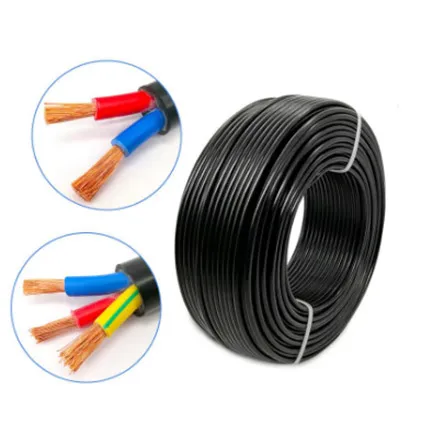
Every power cable contains a carefully orchestrated ecosystem of components working together. At the heart you'll find the conductor - typically copper or aluminum. Copper's been the gold standard for ages because it offers fantastic conductivity and durability. But don't dismiss aluminum! It's lighter and more budget-friendly, making it the go-to for massive transmission lines that would cost a fortune in copper.
Wrapped around the conductor is insulation - the quiet guardian that keeps electricity in its lane. XLPE (Cross-Linked Polyethylene) has become the superhero of high-voltage applications, shrugging off high temperatures like it's nothing while maintaining excellent electrical properties. PVC remains popular for everyday wiring thanks to its flexibility and toughness. Then there's the unsung hero - the outer jacket. This armor plating protects against physical damage and environmental threats, ensuring cables survive years of service whether buried underground or snaking through industrial plants.
Matching Cable to Mission
Not all cabling missions are created equal. Your bedside lamp doesn't need the same muscle as an industrial smelting furnace. Low-voltage cables (up to 1,000V) handle everyday residential and commercial needs with simpler designs that emphasize safety and flexibility. Step up to medium-voltage cables, and we're talking industrial applications with higher demands - robust insulation becomes crucial as we climb above 1kV.
Then comes the heavy artillery: high-voltage cables built for major power distribution. These engineering marvels require meticulously layered insulation systems that could withstand lightning strikes and extreme temperatures. For applications demanding fire safety and minimal smoke toxicity, specialized cables with mineral insulation provide crucial protection where failure could be catastrophic.
The Physics of Power Delivery
Ever wonder why cables feel warm when pushing significant power? That's resistance turning precious energy into wasted heat. Better conductors like copper minimize this loss, allowing more electricity to reach its destination. Then there's capacitance and inductance - invisible forces that affect how cables behave under different conditions.
The magic of alternating current introduces impedance - the combined effect of resistance, inductance and capacitance. In critical applications, mismatched impedance can cause messy reflections and signal integrity issues. Clever cable designs anticipate these effects, ensuring smooth power delivery from generation to consumption.
Getting Sizing Right Matters
Choosing cable size isn't just a financial decision - it's about safety and efficiency. Undersized cables can overheat dangerously under load, while oversized ones waste resources. Engineers use standards like IEC 60287 to calculate current-carrying capacity (ampacity) based on how effectively cables can shed heat.
Installation conditions dramatically impact sizing choices too. Cables buried in thermally resistive soil might require larger diameters than those in cooling ducts. Proximity to heat sources or other cables creates complex thermal environments that affect performance. New eco-conscious materials like recyclable polypropylene offer promising alternatives to traditional insulation, marrying electrical performance with environmental responsibility.
Installation - Where Theory Meets Reality
All that beautiful engineering can be undone by sloppy installation. Pulling cables too aggressively damages conductors and insulation, creating weak points that may fail years later. Bending beyond minimum radius limits puts dangerous stress on materials. Trenches need proper bedding with sand or other thermally appropriate fillers to avoid hotspots.
Underground installations require thoughtful consideration of soil conditions and potential future excavation. In industrial settings, cable ladders and trays organize wiring while maintaining ventilation - spacing matters here as bundled cables heat each other, reducing capacity. Sealing connections properly prevents moisture intrusion that slowly degrades insulation over time.
Why Quality Cabling Pays Dividends
Investing in quality cabling delivers tangible returns. Well-designed cables minimize power loss over distance - critical for long distribution systems where wasted energy accumulates. Premium insulation materials withstand temperature cycling without becoming brittle, extending service life significantly.
Safety improvements from correctly sized and well-installed cabling prevent catastrophic failures. Modern materials self-extinguish instead of spreading fire when things go wrong. For facilities managers, choosing the right cable for the environment avoids premature replacements that shut down operations. In sensitive environments like hospitals or labs, specialized cables eliminate electromagnetic interference that could compromise critical equipment.
Future-Proofing Our Power Systems
As renewable energy and electrification grow, cabling faces new challenges. Longer transmission distances from remote solar/wind farms demand efficiency at unprecedented levels. Smart grid technologies require cables to handle data alongside power transmission. Fire-resistant cables become even more crucial in densely populated areas and high-rise buildings.
The next generation of cable technology focuses on sustainability without compromising performance. Researchers are perfecting insulation from biodegradable polymers that maintain electrical properties while reducing environmental impact. Nanocomposite conductors promise to surpass copper's conductivity, potentially revolutionizing power transmission efficiency.
Conclusion: The Lifelines of Civilization
From the delicate wires in your earbuds to the thick transmission lines powering cities, cables form civilization's nervous system. Understanding their design principles helps engineers select appropriate solutions and appreciate the complex balance required to deliver energy safely. As our demand for power grows while sustainability concerns mount, cable innovations will play a critical role in building an efficient, reliable electrical future.
The hidden world of power cables and electrical equipment proves that even the most mundane infrastructure contains fascinating engineering. Next time you plug in a device, remember the years of research and careful manufacturing behind that simple connection - it represents the quiet miracle of modern electrical engineering.










