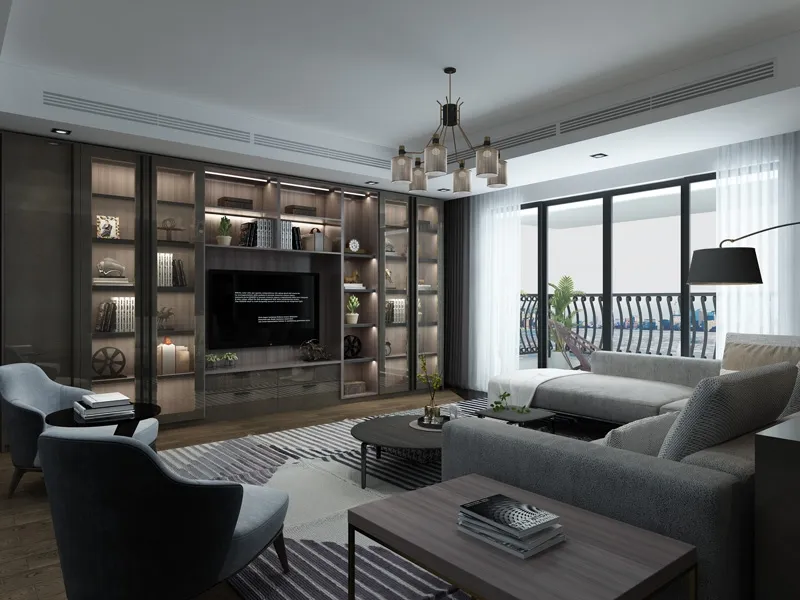
Transform clutter into calm while protecting your electronics from silent heat damage
The Real Cost of Tangled Wires
Remember the last time you tried to plug in a new streaming device behind your TV? That nest of identical black cords that turned into a 20-minute treasure hunt? You're not alone. A recent survey found that 78% of homeowners describe their TV cable situation as "chaotic" or "embarrassing". But tangled wires aren't just an eyesore - they're electronics killers. Overheated components tucked away in enclosed cabinets shorten the lifespan of your pricey gear by up to 40%.
Heat dissipation matters more than ever with 4K/8K TVs that generate 30% more heat than older models - especially critical in custom enclosed cabinets where ventilation is limited.
Custom TV cabinets offer stylish solutions but create unique challenges. Their tailored designs often prioritize aesthetics over airflow, turning your entertainment center into an accidental oven. The good news? With strategic cable organization and ventilation planning, you can create both magazine-worthy displays and optimal equipment environments.
Before You Start: Cabinet Audit Checklist
Know Your Heat Zones
Not all electronics generate equal heat. Your receiver (especially AV receivers) and gaming console create mini-furnaces compared to streaming sticks or cable boxes. Use this heat guide:
-
High Heat Generators: Gaming consoles, AV receivers, amplifiers
-
Medium Heat: Cable boxes, routers, external hard drives
-
Low Heat: Streaming sticks, soundbars, lighting systems
Position high-heat items near ventilation points and separate them with at least 3" gaps when stacking.
Cable Inventory System
Instead of unplugging everything at once:
-
Take photos of current connections from multiple angles
-
Create a device cable map
-
Label both ends of each cable using colored tape system
Pro Tip: Use painters tape temporarily - it won't leave residue during trial layouts.
Strategic Organization Techniques
Layered Cord Routing
Instead of bundling all cables together:
-
Power cables: Position closest to cabinet back
-
Video cables: Middle layer (HDMI/DisplayPort)
-
Audio/Data: Frontmost accessible layer
This creates natural air channels between cord groups.
Directional Pathing
Route cables in U-shapes rather than 90° bends. Sharp angles:
-
Pinch airflow between cords
-
Increase resistance causing heat buildup
-
Shorten cable lifespan
Create "service loops" - extra coiled cable secured with hook-and-loop ties, hidden behind equipment. This allows pulling devices forward without disconnecting everything during upgrades.
Ventilation Solutions That Don't Sacrifice Style
Passive Cooling Techniques
For most cabinets, these clever hidden solutions work wonders:
-
Decorative Grilles
: Positioned low (intake) and high (exhaust)
-
Perforated Back Panels
: Laser-cut patterns matching cabinet design
-
Gap Integration
: 1/2" gaps at shelf joins disguised with trim
Active Cooling Systems
For enclosed cabinets with powerful components:
-
Noctua Fans
: Ultra-quiet fans mounted internally
-
Thermal Pathing
: Copper heat-sinks directing heat to vent areas
-
Smart Climate Control
: Temperature-activated systems
Building materials with good thermal conductivity like aluminum back panels aid in heat dissipation.
Place a small USB fan ($15-$25) positioned to blow across high-heat components rather than directly on them. This creates convection currents that move heat more effectively.
Cable Management Toolkit Essentials
Building your cable organization arsenal:
Colored elastic bands > plastic zip ties. They allow future adjustments without cutting tools that might damage cabinets.
Maintenance Rituals That Prevent Chaos
Schedule quarterly cable maintenance sessions:
-
Cleaning
: Use compressed air to blow dust from vents
-
Check Connections
: Reseat any loose plugs
-
Label Audit
: Refresh faded labels
-
Heat Check
: Back-of-hand component check
-
Wire Re-looms
: Reconfigure bundles showing wear
Electronic systems consume up to 10% more power when coated in dust. Regular cleaning pays for itself in energy savings.
Going Wireless: What Actually Helps
Worth the Upgrade
-
Wireless HDMI transmitters
-
Bluetooth soundbars
-
Smart lighting systems
Keep Wired
-
Game consoles
-
4K/8K media players
-
Home theater receivers
-
Gaming PC connections
Critical for latency-sensitive applications and max bandwidth.
Real-World Case: Michael's Media Cabinet
Michael's custom walnut cabinet looked stunning until summer heat caused TV shutdowns. After implementing our hybrid solution:
-
Temperature peaks dropped 28°F
-
Cable reorganization saved 4" depth
-
Zero accidental disconnects in 6 months
-
Added bonus: Easier VR setup
His key was adding a passive convection chimney using existing cabinet trim gaps and repositioning his Xbox with dedicated side vents.