
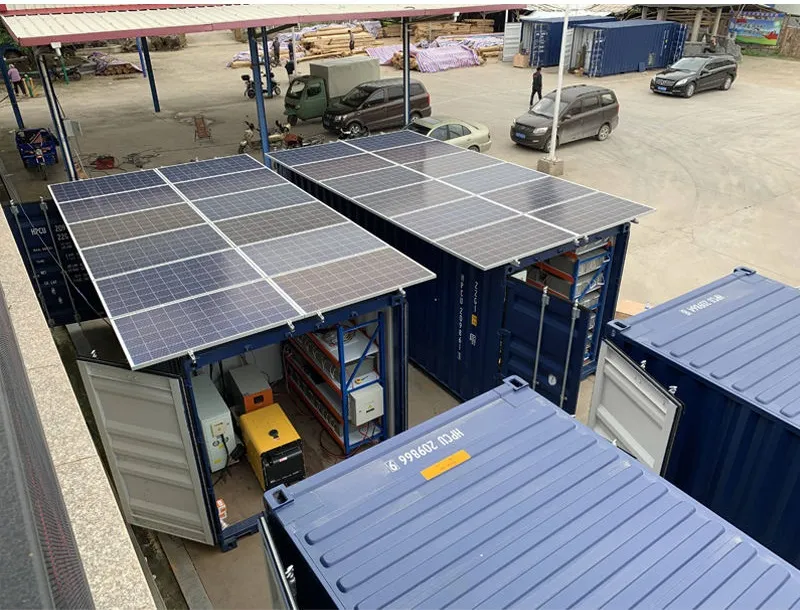
When we think about security systems, cameras and sensors usually steal the spotlight. But the real unsung hero? The cabling that powers the whole operation. Get the wiring wrong, and you might as well kiss your security goodbye - especially when you're relying on solar power in remote locations. The difference between a rock-solid security system and one that fizzles out when you need it most often comes down to how well those cables were installed.
Solar-powered security has its own special wiring needs that commercial setups don't face. You're dealing with DC power running through exposed environments, temperature swings that would make metal expand and contract, and cables that need to survive decades of sun exposure. Mess up the wiring, and you'll be troubleshooting phantom issues instead of sleeping soundly.
We've taken best practices from solar installations and adapted them specifically for security monitoring systems. Because whether you're protecting a mountain cabin or an industrial facility, reliable cabling isn't just about connectivity - it's about peace of mind.
Security monitoring systems aren't like your typical solar setup - they require specialized cabling that balances power efficiency with data integrity. Here's what really matters when wiring up your solar-powered security network:
Always prioritize UV-resistant cabling for outdoor security applications. Regular indoor-rated cables will crack and fail within 2-3 years when exposed to constant sunlight. Look for jackets rated for direct sunlight exposure.
The cabling between your solar panels and security gear faces special challenges not found in standard solar farms. Security systems have low tolerance for voltage drop - a camera that reboots during motion detection creates a security gap. We size cables for maximum 3% voltage drop for reliable security operation, compared to 5% used for general solar.
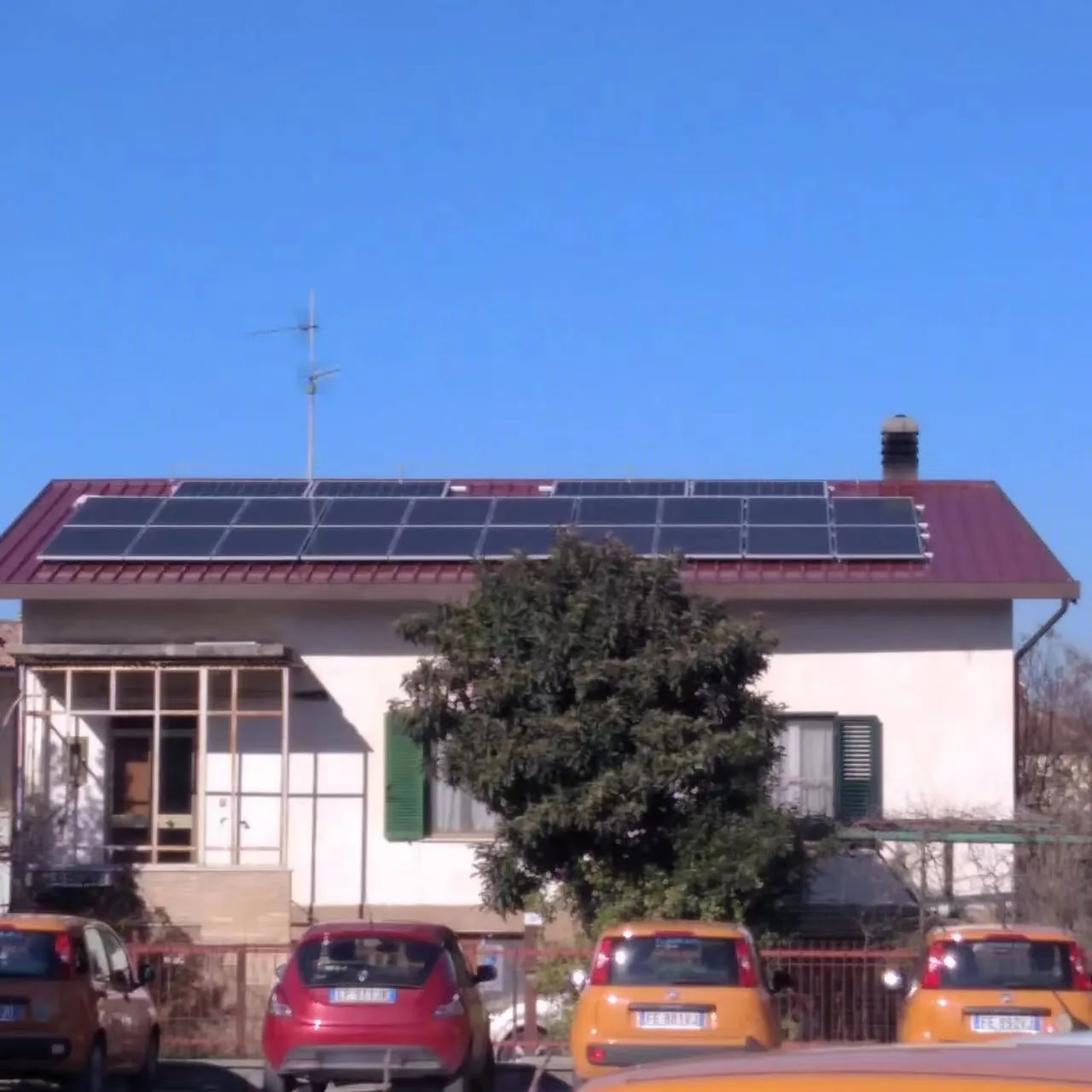
I've seen too many security systems fail because of installation shortcuts that looked fine initially but failed after a season. Here's the straight talk on doing it right:
Security camera wiring brings unique challenges that residential solar doesn't face. Cameras get positioned in awkward spots - under eaves, on poles, in trees. This requires creative routing solutions. I always run wiring vertically along camera mounts rather than horizontally, reducing snag points and water pathways.
Terminations fail before cable jackets. Use corrosion-resistant connectors specifically designed for outdoor security applications. Cheap connectors corrode in 18 months, creating phantom issues.
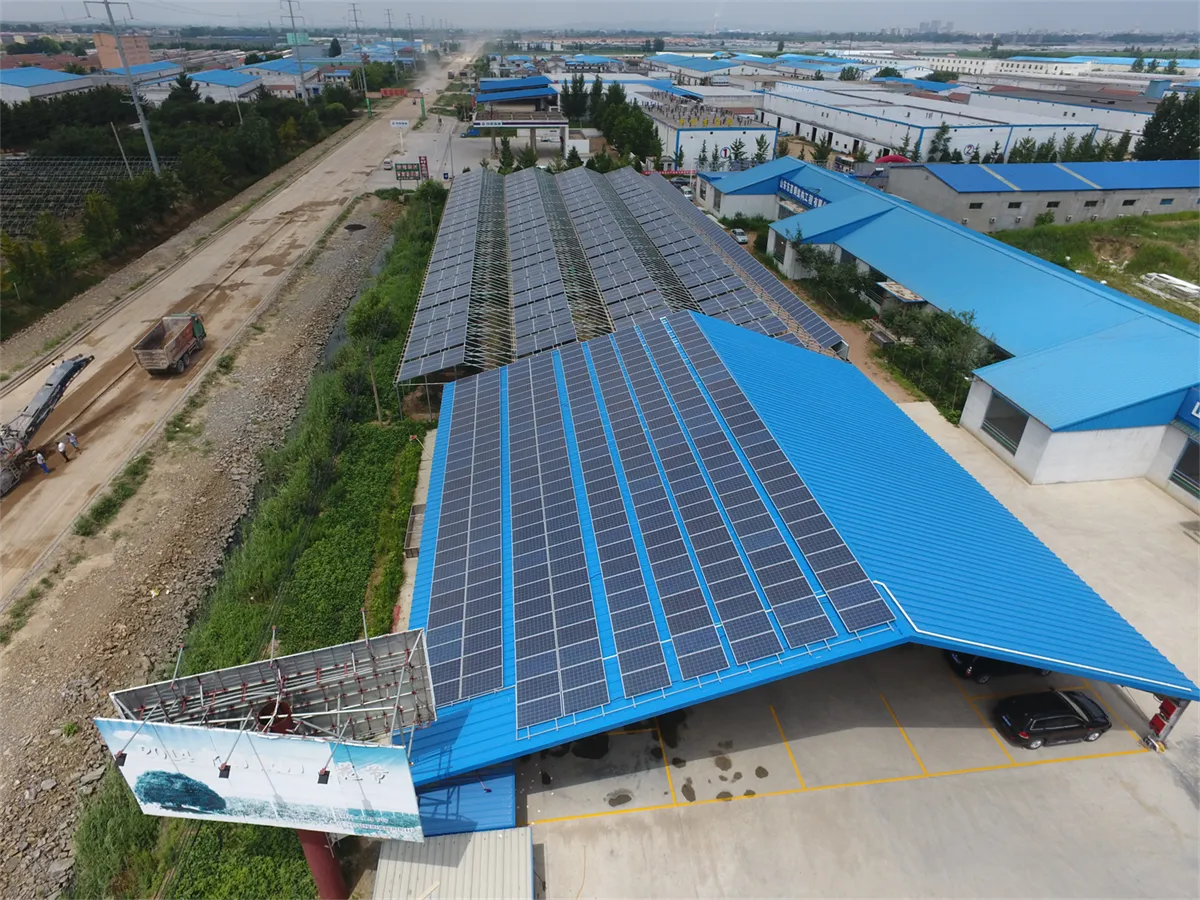
Your solar-powered security system isn't a single wiring solution - it's several specialized cable types working together. Here's how they function specifically for security applications:
| Cable Type | Security Applications | Key Advantages | Special Considerations |
|---|---|---|---|
| Solar PV Cables | Panel-to-combiner connections | UV-resistant, handles temperature swings | Must be sunlight-resistant rated for security pole mounts |
| Power Cables | Combiner to charge controller, battery to inverter | Higher current capacity | Use stranded not solid core for vibration resistance |
| Control Cables | Controller communication lines | Shielded against interference | Required for alarm-triggered camera PTZ controls |
| Communication Cables | Camera data transmission | High bandwidth | Run separately from power to prevent interference |
| Coaxial Cables | Analog camera feeds | Signal integrity over distance | Dying tech - use only for legacy systems |
| Battery Cables | Battery connections | High flexibility | Required for uninterruptible security operation |
| Grounding Cables | Lightning protection systems | Low impedance | Non-negotiable for exposed security cameras |
Security systems need hybrid cables that combine power and data transmission - especially for PTZ cameras. These 2-in-1 cables:
Grounding deserves special attention in security applications. Cameras mounted high on poles are lightning magnets. We implement triple-redundant grounding: at panel mounts, camera poles, and controller entry points.
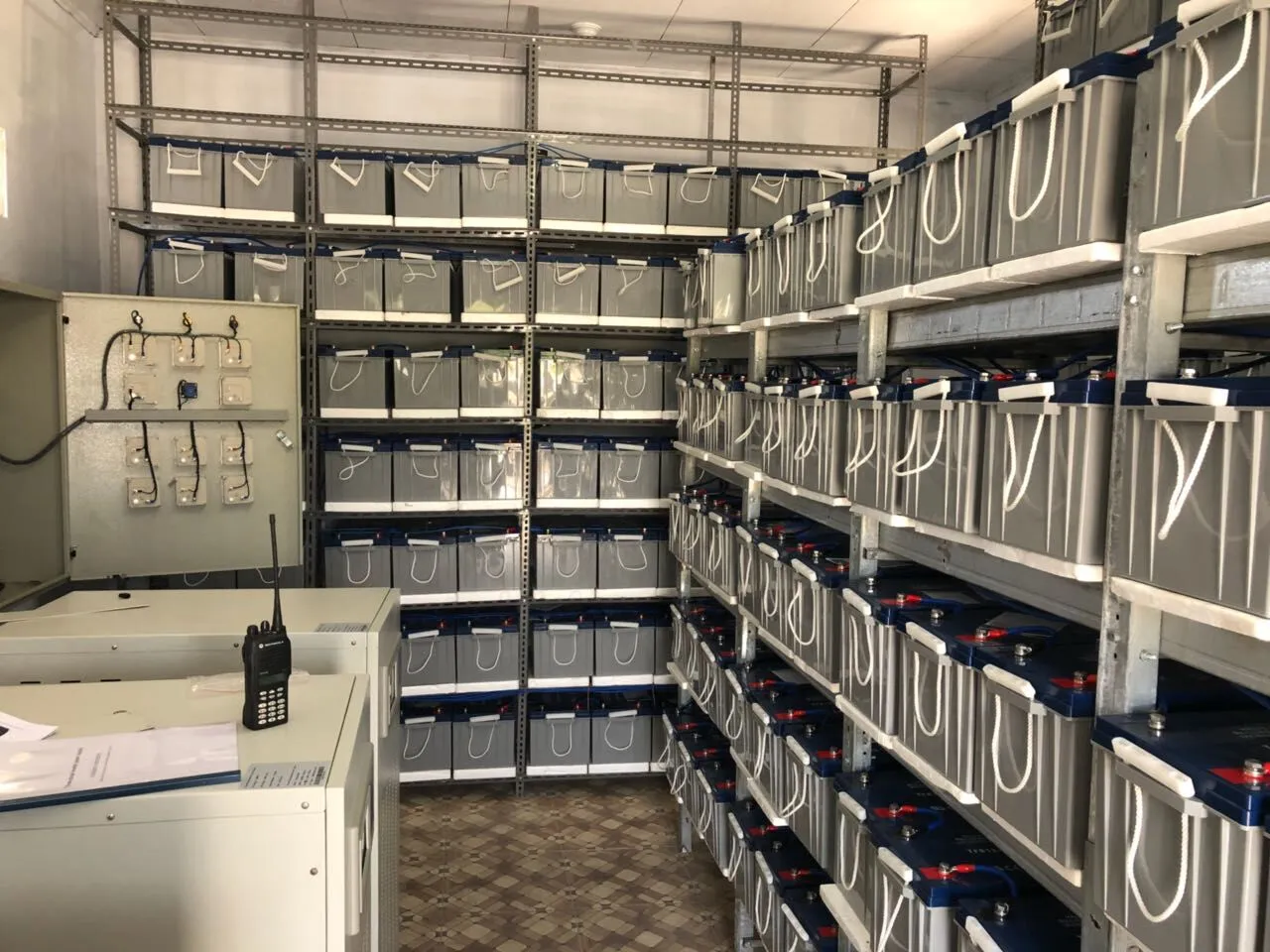
Choosing the right cable size isn't about guesswork - it's precise engineering for security reliability. Voltage drop that causes a camera to reboot during critical moments is unacceptable.
Maximum Voltage drop (V drop ) = (Current (I) × Cable Length (L) × Resistivity (ρ)) / (Cross-section Area (A) × Conductor Count)
Security Standard: Maintain ≤3% voltage drop in DC solar circuits
For security systems, we use actual peak draw not average - cameras spike during motion detection or IR mode.
The security difference? Commercial solar accepts 5% drop but security devices crash at 4.5% drop. Cameras temporarily shut down during voltage dips, creating blind spots. We calculate wire sizes using peak not average currents.
Document voltage readings at installation - benchmark values help diagnose future issues. Voltage drop increases as connections degrade over time.
Solar-powered security systems live and die by their cabling. Unlike grid-powered systems with unlimited electricity, solar systems demand perfection in wiring design. That camera at the back fence isn't just a camera - it's a deterrent, a witness, and peace of mind. And none of that works if the cable between the panel and controller wasn't sized correctly for voltage drop.
What we've seen time and again: the difference between a security system that survives decades versus one that fails in 3 years comes down to cable selection and installation care. Using UV-resistant PV cables rather than cheap alternatives. Taking extra minutes to protect conduit entries. Planning for temperature expansion rather than fighting it later.
Remember that security systems aren't just electrical projects - they're confidence projects. When you hear that reassuring click of a security light turning on automatically at dusk, powered completely by the sun, it's not just the panel working. It's that carefully sized and installed cable running from your roof to your security system. That's where true peace of mind lives - in copper and sunlight.
When choosing building decorative wall panels for your security monitoring station, consider how their installation might impact your cable pathways - planning this integration ensures both aesthetics and functionality.
Recommend Products












