
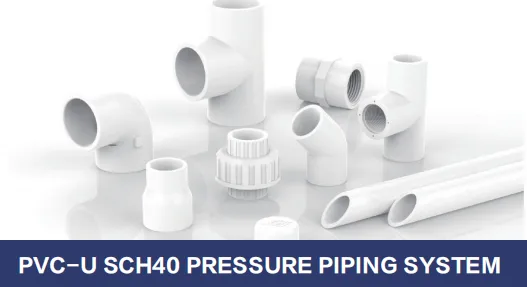
Hey there! If you're tackling a plumbing, irrigation, or industrial project, you've probably heard about PVC-U SCH40 piping. But with so many options out there, how do you know you're getting the right product at a fair price? Don't sweat it – we're breaking down everything you need to know about this workhorse piping system.
PVC Schedule 40 is like the reliable pickup truck of the piping world – tough, versatile, and always ready to get the job done. Whether you're a DIY enthusiast or a professional contractor, understanding what makes SCH40 special could save you headaches (and cash!) down the line.
Ever wondered why this stuff is so popular? It's not just hype – there are real science-backed benefits that make PVC-U SCH40 stand out:
I've seen these pipes handle everything from backyard sprinklers to factory floor chemical lines. That versatility is why they're the first solution I recommend for most water supply and drainage challenges.
Getting the right size isn't just about measurements – it's about matching your needs:
| Nominal Size | Outside Diameter | Wall Thickness | Max Pressure | Common Uses |
|---|---|---|---|---|
| 1/2" | 0.840" | 0.109" | 600 psi | Residential sinks, ice makers |
| 3/4" | 1.050" | 0.113" | 480 psi | Shower lines, garden faucets |
| 1" | 1.315" | 0.133" | 450 psi | Main supply lines, pool equipment |
| 1-1/4" | 1.660" | 0.140" | 370 psi | Hot water heaters, sprinkler mains |
| 2" | 2.375" | 0.154" | 280 psi | Industrial processes, pool plumbing |
| 3" | 3.500" | 0.216" | 260 psi | Municipal applications, large irrigation |
Pro tip : Always size up when in doubt. That extra 1/4" diameter makes a huge difference in flow rate. Trust me, I've learned this the hard way on farm irrigation projects!
Installing PVC isn't rocket science, but skipping basics leads to leaks. Here's what the pros know:
Step 1: Cut Clean
Use a PVC ratchet cutter or fine-tooth saw. Ragged edges create gaps. I keep sandpaper handy to smooth every cut.
Step 2: Primer Power
That purple primer isn't just for show. It cleans AND softens the PVC for perfect bonding. Swab both pieces generously.
Step 3: Cement Connection
Work fast once cement touches plastic. Apply cement to both surfaces, then immediately push and twist the pieces together.
Step 4: Hold Position
Hold firmly for 30 seconds – no cheating! The initial set needs this time to prevent "push-out".
Step 5: Cure Time
Yes, it bonds fast. But full strength takes time. For pressurized systems, I wait overnight before testing.
Seasoned installers know that ambient temperature changes curing times dramatically. In cold garages, I bring a space heater to maintain 60-70°F for best results.
Even great products have limitations. Heed these warnings:
PVC starts losing strength around 140°F. Never use for:
Sunlight breaks down PVC. For outdoor installations:
Water hammer – that sudden pressure surge when valves close – stresses fittings. Add shock arrestors near quick-closing valves.
One contractor I know learned this the hard way when a sprinkler valve slammed shut and blew a joint apart overnight. Water soaked his client's finished basement!
Now that you're equipped with insider knowledge, you're ready to shop smart. Premium PVC-U SCH40 piping delivers performance that exceeds its cost – a true bargain in today's materials landscape. Whether updating home plumbing or engineering industrial solutions, this piping delivers reliability where it counts.
Ready to build something amazing? Browse our complete SCH40 collection and discover why professionals trust this workhorse piping system.
Only for temps under 120°F. Consider CPVC for hotter applications – it handles 180°F safely.
NSF-pw = Potable Water (safe for drinking water lines). NSF-dwv = Drain Waste Vent (for drain pipes only). Never use dwv-rated pipe for supply lines!
SCH80 has thicker walls for higher pressure/temperature resistance. It's heavier and more expensive – use only when specifications require it. SCH40 works for most common applications.
Yes, with proper bedding! Place in compacted sand trench 12-18" below frost line. Avoid burial in rocky soil without sand bedding – rocks create pressure points.
Recommend Products












