
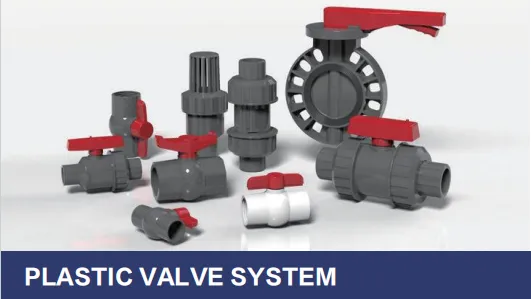
Let's be real—shopping for industrial parts online can feel like trying to solve a puzzle with missing pieces. You're scrolling through endless product listings, squinting at technical specs, and wondering if that "great deal" is actually a dud. When it comes to something as critical as plastic valve systems, the stakes feel even higher. After all, these aren't just random parts—they're the silent workhorses that keep water flowing, chemicals contained, and systems running smoothly in homes, offices, hospitals, and factories. So how do you cut through the noise and buy plastic valve systems online without stress, overspending, or ending up with a product that doesn't fit your project? That's exactly what we're here to figure out together.
You might be thinking, "Plastic valves? Shouldn't I just go to a local hardware store and talk to someone in person?" Fair question—but let's break down why online shopping is actually a game-changer here. First off, convenience. Whether you're burning the midnight oil finalizing a project list or squeezing in shopping between site visits, online stores never close. No more rushing to beat a 5 PM closing time or waiting for a sales rep to call you back. With a few clicks, you can browse, compare, and order from anywhere—your couch, your job site, even that random coffee shop with surprisingly good Wi-Fi.
Then there's price transparency. Walk into a physical store, and you're stuck with whatever markup they've added that day. Online? You can open five tabs at once and see exactly what different suppliers are charging for the same type of plastic valve system. It's like having a price comparison superpower—no awkward haggling required. Plus, many online suppliers offer bulk discounts or seasonal deals that local stores can't match, especially if they're a plastic valve system supplier that specializes in direct-to-customer sales (cutting out the middleman means more savings for you).
And let's not forget selection. Local stores can only stock so much inventory—usually the most common sizes or brands. But online, you're not limited to what fits on a shelf. Need a specific type of CPVC valve for a high-pressure industrial system? Or a small PVC valve for a residential plumbing repair? Chances are, an online pipes fittings supplier will have exactly what you need, even if it's a niche product. You might even stumble on innovative solutions you didn't know existed, like eco-friendly valves or ones designed for extreme temperatures—options that could make your project smarter and more efficient.
Before you start clicking "add to cart," let's make sure we're on the same page about what plastic valve systems actually are. At their core, these are devices that control the flow of liquids or gases through pipes—think of them as the "on/off switches" or "volume knobs" of your plumbing or industrial setup. But not all plastic valve systems are created equal, and picking the wrong one can lead to leaks, system failures, or even safety hazards. So let's break down the basics.
First, materials matter. Plastic valves are typically made from PVC, CPVC, PPR, or PE—each with its own superpowers. PVC is great for cold water systems and general plumbing; it's affordable and resistant to corrosion. CPVC steps up for hot water or high-pressure applications, like in hospitals or factories. PPR is flexible and heat-resistant, making it a favorite for residential hot water lines. Knowing which material fits your project is half the battle—and yes, a good plastic valve system supplier will list this info clearly in their product descriptions (if they don't, that's a red flag).
Next, consider the "system" part of "plastic valve systems." Valves don't work alone—they're part of a bigger puzzle that includes pipes, fittings, and connectors. That's where pipes fittings solutions come in. A valve that's the perfect size but doesn't fit with your existing pipes is basically useless. So when shopping online, look for suppliers that offer compatible fittings or bundle deals. Some even provide free technical support to help you match valves with pipes—saving you the headache of returns or mismatched parts.
| Plastic Valve Material | Best For | Key Benefits | Common Applications |
|---|---|---|---|
| PVC | Cold water, low-pressure systems | Budget-friendly, corrosion-resistant, easy to install | Residential plumbing, irrigation, drainage |
| CPVC | Hot water, high-pressure systems | Heat-resistant (up to 200°F), chemical-resistant | Hospitals, schools, industrial processing |
| PPR | Hot/cold water lines, drinking water systems | Flexible, durable, lead-free | Home renovations, apartment buildings |
| PE | Underground piping, chemical transport | Impact-resistant, UV-stable | Municipal water systems, agricultural irrigation |
Okay, so you're convinced online is the way to go. Now comes the big question: How do you pick a plastic valve system supplier you can trust? Because let's face it—anyone can throw up a website and call themselves a supplier. But you need someone who's got your back, from the moment you click "buy" to the day the valves are installed (and beyond).
Start with the basics: Check for certifications. Reputable suppliers will clearly display industry certifications on their site—things like ISO 9001 (quality management) or NSF/ANSI (for products that touch drinking water). If a supplier can't tell you where their valves are made or if they meet safety standards, hit that back button. You don't want to gamble with a valve that could fail in a critical system.
Next, read the reviews—but not just the 5-star ones. Scroll to the 3-star or 2-star reviews to see how the supplier handles problems. Did they fix a shipping error quickly? Were they helpful when a customer received the wrong size? A supplier that ignores negative feedback is a supplier that might ignore you if something goes wrong. And while we're on the topic of customer service: Look for clear contact info. A phone number, email, or live chat option means you can actually reach a human if you have questions. Avoid suppliers with only a generic "contact form"—you don't want to wait 3 days for a response when you're on a tight deadline.
Pro Tip: If you're working on a big project (like outfitting a commercial building or a school), ask the supplier if they offer custom plastic valve system solutions . Many specialize in tailoring systems to specific needs—whether that's adjusting sizes, adding pressure regulators, or creating a bundle with matching pipes and fittings. Custom solutions might sound pricey, but they often save you money in the long run by reducing waste and ensuring everything works together seamlessly.
Let's talk about the elephant in the room: price. Of course you want the best deal—but here's the thing: The lowest price tag isn't always the best value. A $10 valve might seem like a steal, but if it cracks after 6 months and causes a leak, you're looking at hundreds (or thousands) in repairs. So how do you balance cost and quality?
First, factor in the project's lifespan. If you're installing valves in a temporary structure, a budget PVC option might be fine. But for a hospital or school (where safety and durability are non-negotiable), investing in a higher-quality CPVC or PPR system is worth every penny. Think of it as insurance—paying a little more now to avoid massive headaches later.
Bulk buying is another way to save without sacrificing quality. Most plastic valve system suppliers offer tiered pricing: the more you buy, the lower the per-unit cost. If you know you'll need valves for future projects, stock up when you can. Just make sure you have space to store them (no, your garage shouldn't look like a valve warehouse) and check the shelf life—most plastic valves last 10+ years if stored properly, so it's a safe bet.
Don't forget to compare shipping costs, too. A supplier might advertise a rock-bottom price on valves, but then hit you with $50 in shipping fees. Look for suppliers that offer free shipping on orders over a certain amount—many do, especially for commercial buyers. And if you're in a hurry, check delivery times. Paying a little extra for expedited shipping might be worth it if it keeps your project on schedule (missing a deadline because your valves are stuck in transit? Not worth the "savings").
Even with all this info, it's easy to slip up. Let's go over the most common mistakes people make when buying plastic valve systems online—and how to avoid them.
Mistake #1: Skipping the specs. It's tempting to just glance at the product name ("PVC Valve") and hit buy, but specs matter. What's the pressure rating? The temperature range? The connection size? A valve that's rated for 100 PSI won't work in a system that runs at 150 PSI—no matter how good the deal is. Take 2 minutes to check the specs against your project requirements. If you're unsure, email the supplier—they should be happy to clarify.
Mistake #2: Ignoring the return policy. What if the valve arrives damaged? Or it's the wrong size, even though you double-checked? A strict "no returns" policy is a red flag. Look for suppliers with at least a 30-day return window (some even offer 60 days) and clear instructions on how to initiate a return. And save that packaging! Most suppliers require items to be in original packaging to qualify for a refund.
Mistake #3: Overlooking compatibility with pipes. We touched on this earlier, but it's worth repeating: Valves and pipes go together like peanut butter and jelly—they need to match. A pipes fittings supplier that also sells valves is a great choice here, as they'll likely have compatible products. If you're buying from separate suppliers, bring the pipe specs (size, material, thread type) when shopping for valves. Better yet, take a photo of the pipe end with a ruler next to it—suppliers love visuals!
At the end of the day, buying plastic valve systems online isn't about finding the cheapest option—it's about finding the best value for your specific project. It's about balancing quality, convenience, and cost so that you can feel confident hitting "place order." Whether you're a contractor working on a commercial build, a facility manager maintaining a school, or a homeowner tackling a DIY renovation, the right plastic valve system solutions are out there—you just need to know where to look.
So next time you're scrolling through online listings, remember: Check the specs, read the reviews, compare the prices (including shipping!), and don't be afraid to ask questions. A good supplier will welcome your curiosity—after all, they want you to be happy with your purchase (and come back for future projects). And who knows? With a little practice, you might even start to enjoy the process. Okay, maybe "enjoy" is a stretch—but you'll definitely stress less. And in the world of project management, that's half the battle.
Now go forth and buy those valves—smartly, confidently, and at the best possible price. Your project (and your wallet) will thank you.
Recommend Products












