
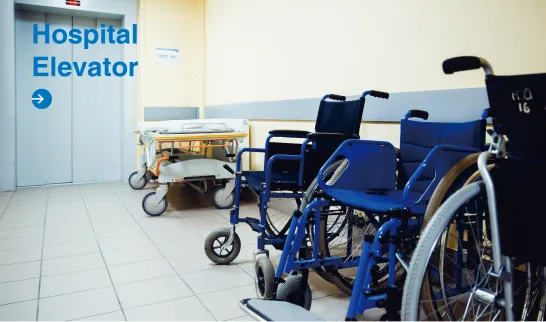
Hey there, healthcare facility managers and procurement specialists! If you're responsible for keeping hospitals running smoothly, you know elevators aren't just conveniences – they're literal lifelines. Getting reliable, code-compliant vertical transportation isn't optional; it's mission-critical. Today, we'll explore how smart wholesale purchasing makes all this achievable without blowing your capital budget.
Picture a hectic ER shift: gurneys rushing to surgery, pharmaceuticals being delivered to floors, families visiting loved ones. Now imagine all that traffic bottlenecked at stairwells. Scary, right? Hospital elevators handle way more than people – they transport sensitive medical equipment, emergency responders, sterile supplies, and meals. When one goes down, it's not an inconvenience; it's a crisis.
Unlike regular lifts, hospital models need serious muscle: infection-resistant surfaces, priority override systems for emergencies, wider cabins for ICU beds, enhanced shock absorption – even climate controls for organ transport. These aren't just "nice-to-haves"; they're mandated by strict healthcare regulations. Cutting corners here? Yeah, that's not a gamble anyone's willing to take.
These aren't luxury options anymore – they're becoming industry-standard expectations. The trick is getting them affordably.
Here's where things get exciting. Buying wholesale transforms elevator procurement from a "ouch" expense to a "smart investment" conversation. Bulk purchasing isn't just about per-unit savings – it’s about:
Think about it like buying a fleet versus one car. Suppliers will bend over backward for customers bringing big orders – flexible payment terms? Done. Extended warranties? Covered. You'll have leverage normal buyers dream about!
Not all elevator suppliers understand hospital environments. You need partners experienced with:
Pro tip: Always ask for hospital-specific case studies – glossy brochures won't cut it! Seek out partnerships with elevator suppliers having proven healthcare experience. One great model is connecting with a reliable elevator installation company that handles both residential projects and complex medical facilities.
Good hospital design thinks decades ahead. Today's elevators should accommodate tomorrow's technologies like:
Wholesale contracts should include provisions for tech upgrades. Trust us, integrating these later is way pricier than planning upfront.
Cheapest ≠ best value. Elevators last 20-30 years – focus on lifetime costs: energy efficiency scores, warranty periods, remote monitoring capabilities. Spend wisely on the front end and you’ll sleep better for decades. After all, everyone remembers the hospital with slow elevators, and that's branding you don't want!
Recommend Products












