
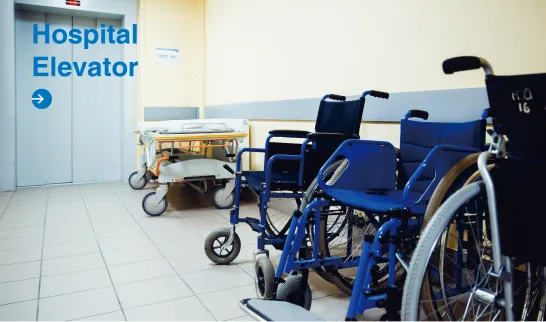
Navigating the maze of medical equipment purchasing just got easier. Forget the days of endless paperwork and stressful negotiations – now you can secure life-saving vertical mobility solutions with just a few clicks. Let's explore how buying hospital elevators online transforms healthcare infrastructure while keeping budgets intact.
Hospitals breathe through their elevators. When emergencies strike, seconds saved in transit can mean the difference between life and death. Yet traditionally, procurement involved months of vendor meetings and confusing financing options. Online platforms dissolve these barriers, putting critical infrastructure within reach.
Digital catalogs let you compare specifications side-by-side – from hydraulic traction systems to destination dispatch controls. You'll find transparent pricing without hidden fees, detailed maintenance schedules, and real user reviews from other medical facilities. It's like having a healthcare engineering consultant in your pocket.
Budget constraints shouldn't compromise patient safety. Forward-thinking platforms now offer tailored financing options specifically for medical facilities. Imagine predictable monthly payments that align with your capital expenditure cycle, or deferred interest plans during hospital expansion phases.
Specialized medical lenders understand your unique needs – like compliance timelines for ADA accessibility standards or emergency power backup requirements. Their flexible structures account for equipment depreciation schedules while offering reward points redeemable for future healthcare equipment purchases.
Not all elevators heal equally. ICU transports demand different solutions than visitor corridors. Look for antimicrobial handrails and touchless controls to minimize infection risks – critical features highlighted in online configuration tools. Consider noise-dampened models near neonatal units or extra-wide cabins for imaging equipment transit.
Cloud-connected diagnostic systems offer game-changing advantages. Receive real-time alerts about performance anomalies before failures occur. One Midwest hospital avoided a 72-hour outage when their system flagged abnormal motor vibrations during routine maintenance.
The real magic happens after clicking "buy." Top platforms handle everything from municipal compliance paperwork to coordinating with your infection control team during installation. Their project managers become temporary extensions of your facilities department, working around surgical schedules and peak visitation hours.
Virtual reality walkthroughs eliminate surprises – visualize how glass-paneled observation lifts will integrate with existing architecture before construction begins. This digital approach recently helped a Boston children's hospital transform elevator shafts into underwater-themed experiences that calm anxious young patients.
During the power grid crisis in Texas, hospitals with premium-grade elevators became modern arks. Their battery backups maintained operations when generators failed. Investing in resilient designs goes beyond convenience – it becomes a moral imperative when stairwells fill with vulnerable patients.
Smart platforms feature filters for disaster-readiness certifications like seismic reinforcements and extended autonomous operation capabilities. Reading reviews from Louisiana hospitals that weathered hurricane blackouts provides practical insights no glossy brochure can match.
Telemedicine stations and drone delivery systems are already reshaping hospital logistics. Forward-compatible elevator designs accommodate tomorrow's innovations today. Look for modular interiors that convert standard cabins into mobile isolation units during outbreaks, or reinforced ceilings supporting robotic medication transport rails.
Some visionary platforms now integrate building information modeling (BIM) data, letting you simulate how equipment choices will impact long-term operational flow. It's preventative medicine for healthcare infrastructure.
The most advanced elevator becomes unreliable without properly trained staff. Digital platforms increasingly bundle virtual training modules with purchases – from emergency rescue procedures to routine disinfectant protocols. Interactive simulations help technicians understand every possible system behavior without risk to live equipment.
Community features connect facilities facing similar challenges. A Montana critical access hospital recently adapted New York trauma center's elevator traffic algorithms, proving that collective healthcare wisdom needs no geographic boundaries when powered by the right platforms.
Green hospital initiatives extend beyond solar panels. Modern regenerative drive systems capture kinetic energy during descent – one Chicago medical center reported 28% energy reduction after retrofitting their elevator banks. Online tools calculate carbon footprint differentials between models, translating environmental stewardship into quantifiable savings.
End-of-life recycling programs complete the circle. Reputable suppliers handle component disassembly with certificates documenting proper hazardous material disposal, aligning with hospital sustainability charters. The digital paper trail simplifies compliance audits while validating operational responsibility.
Purchasing hospital elevators online isn't about convenience – it's about elevating care standards through smarter resource allocation. With transparent pricing, specialized financing, and comprehensive support, digital platforms transform essential infrastructure acquisition from a headache into a strategic advantage. Because when minutes matter, the journey between floors shouldn't be the bottleneck.
Recommend Products












