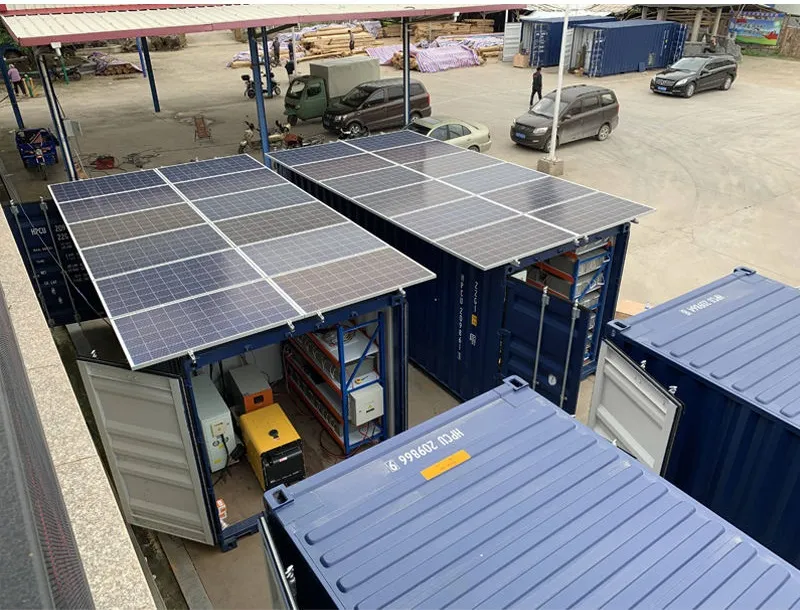
Solar energy is no longer a niche investment — it is a mainstream component of modern construction. Whether you are developing a residential community, renovating a commercial complex, or outfitting a hotel, sourcing
bulk solar panels can dramatically reduce your per-unit cost while ensuring consistent quality across your entire project. But making the right purchasing decision involves more than simply finding the lowest price. This guide walks you through what you need to know before placing a bulk order, from panel types and certification to logistics and supplier evaluation.
Why Buy Solar Panels in Bulk?
For construction firms, property developers, and procurement managers, buying solar panels in bulk offers three key advantages. First, the per-unit price drops significantly when ordering by the container load rather than in small batches — suppliers typically offer tiered pricing that rewards volume. Second, uniformity matters: a single large order from one production run ensures all panels share the same specifications, appearance, and performance characteristics, which is critical for projects where aesthetic consistency and electrical matching are non-negotiable. Third, logistics become simpler: coordinating one shipment is far easier than juggling multiple small deliveries spread across different timelines.
When you work with a reliable
building material supplier that understands the full scope of construction needs, solar panels become just one piece of a much larger procurement puzzle — and that is where the real efficiency gains happen.
Monocrystalline vs. Polycrystalline: Which One Should You Choose?
Before placing a bulk order, you need to understand the fundamental differences between the two main types of solar panels on the market.
Monocrystalline Panels
Made from a single silicon crystal structure, these panels are easily recognized by their uniform dark color and rounded cell edges. They offer higher conversion efficiency — typically in the 18% to 24% range — meaning they generate more electricity per square meter. This makes them the preferred choice for projects with limited roof or façade space. The trade-off is a higher upfront cost, though the long-term energy yield often justifies the investment for commercial and high-end residential developments.
Polycrystalline Panels
Produced by melting multiple silicon fragments together, polycrystalline panels have a distinctive blue, fragmented appearance. Their efficiency is slightly lower (usually 15% to 18%), but they come at a more attractive price point. For large-scale projects where installation space is abundant — such as industrial rooftops or ground-mounted solar farms — polycrystalline panels offer an excellent balance between cost and output. The simpler manufacturing process also means shorter production lead times, which can be a decisive factor when project schedules are tight.
Quick Comparison at a Glance
Monocrystalline: Higher efficiency, sleek look, higher cost — ideal for space-constrained projects
Polycrystalline: Lower cost, good performance, wider availability — ideal for large-scale deployments
Key Factors to Evaluate Before Placing a Bulk Order
1. Certification and Standards Compliance
Not all solar panels are created equal. Always verify that the panels you are purchasing carry recognized international certifications such as IEC 61215 (design qualification and type approval) and IEC 61730 (safety qualification). These standards confirm that the panels have undergone rigorous testing for performance under various environmental conditions, including thermal cycling, humidity freeze, and mechanical load. For projects in regions with specific regulatory requirements, additional local certifications may apply.
2. Wattage and Efficiency Ratings
The rated wattage of a panel tells you its peak power output under standard test conditions, but real-world performance depends on factors like temperature coefficient and low-light behavior. Look beyond the headline number: a panel with a lower temperature coefficient will lose less efficiency on hot days, which matters enormously for projects in warm climates. Ask your supplier for the full technical datasheet before committing to a bulk purchase.
3. Warranty Terms
Solar panels typically come with two warranties. The product warranty covers manufacturing defects and usually spans 10 to 15 years. The performance warranty guarantees a minimum power output over time — reputable manufacturers warrant that panels will still produce at least 80% of their rated power after 25 years. Read the fine print carefully: some warranties require professional installation to remain valid, and claim processes can vary significantly between suppliers.
4. Production Lead Time and Logistics
Bulk orders can involve production runs that take several weeks, especially during peak construction seasons. Factor in manufacturing time, sea freight duration, customs clearance, and inland transportation when planning your procurement timeline. A supplier with established export experience — particularly one that handles
architectural façade solutions and other construction materials — is more likely to have streamlined logistics processes in place.
Why Source Solar Panels as Part of a One-Stop Building Materials Package?
One of the biggest hidden costs in construction procurement is coordination overhead. When you source solar panels from one supplier, flooring from another, and wall panels from a third, you multiply your communication channels, shipping arrangements, and quality inspection workloads. This fragmentation introduces delays, increases the risk of mismatched deliveries, and makes it harder to negotiate volume discounts.
A one-stop approach solves these problems at the root. COLORIA GROUP, headquartered in Foshan, Guangdong — China's manufacturing heartland — consolidates 13 product categories under one roof. For a project that needs
bulk solar panels alongside flooring, sanitary fixtures, customized furniture, lighting, and electrical systems, a single procurement relationship means one point of contact, consolidated shipping containers, and unified after-sales support. The company's overseas agent in Saudi Arabia further streamlines service for Middle Eastern projects, providing local expertise without the communication barriers that often accompany cross-border sourcing.
COLORIA GROUP's Solar Panel Offering
COLORIA GROUP supplies high-quality solar panels as part of its comprehensive exterior solutions portfolio, which also includes
architectural façade solutions, windows and doors, decorative profiles, and more. Each panel is sourced through established manufacturing partnerships in China's photovoltaic industry cluster, ensuring competitive pricing and reliable supply.
What sets COLORIA apart from a standalone solar distributor is the project-wide perspective. Their team understands how solar panel specifications interact with roofing structures, electrical systems, and building envelopes — because they supply all of these components. This integrated knowledge helps project developers avoid compatibility issues that can arise when different material suppliers work in isolation.
What COLORIA GROUP Brings to Your Project
• One-Stop Sourcing: 13 product categories — from walls and flooring to elevators and solar panels
• Foshan-Based: Located in China's premier building materials manufacturing hub
• Global Reach: Overseas agent in Saudi Arabia with export experience
• Consolidated Logistics: Combine solar panels with other materials in shared containers
• End-to-End Support: From inquiry and sampling to quality inspection and shipment tracking
Practical Tips for Your Bulk Solar Panel Purchase
-
Request samples before committing. Even if the datasheet looks perfect, a physical sample lets you inspect build quality, frame finish, and connector compatibility with your own eyes.
-
Ask about minimum order quantities (MOQs). Some suppliers have flexible MOQs for initial trial orders, which is valuable when you are building a new supplier relationship.
-
Confirm packaging standards. Bulk solar panels shipped by sea need robust packaging — typically palletized with edge protectors and moisture barriers. Verify this in writing.
-
Check compatibility with your mounting system. Panel dimensions, frame thickness, and mounting hole positions must match your racking or roof-mount system. A mismatch discovered on site is expensive to fix.
-
Plan for spare panels. Ordering 2–3% extra panels as spares is a small insurance cost that pays for itself if any panels are damaged during transport or installation.
The Sustainability Angle
Incorporating solar panels into your construction project is not just about cost savings — it is increasingly a market expectation. Green building certifications such as LEED and BREEAM award points for on-site renewable energy generation. Tenants and buyers are more conscious than ever of energy efficiency, and properties with integrated solar solutions often command higher valuations and faster sales cycles.
By procuring
bulk solar panels alongside your other construction materials from a single
building material supplier, you also reduce the carbon footprint associated with multiple shipments from different origins — a small but meaningful contribution to your project's overall environmental profile.
Ready to Power Your Next Project?
If you are planning a residential, commercial, or hospitality development and need
bulk solar panels — along with walls, flooring, sanitary fixtures, furniture, or any of the 13 categories COLORIA GROUP covers — reach out for a consultation. The team in Foshan will work with you to understand your project specifications, provide detailed quotations, and coordinate consolidated shipping that saves you time and money.
Contact COLORIA GROUP today at
www.coloriagroup.net or reach the team directly at
+86-13630185350 (WhatsApp/WeChat) to discuss your bulk requirements.