
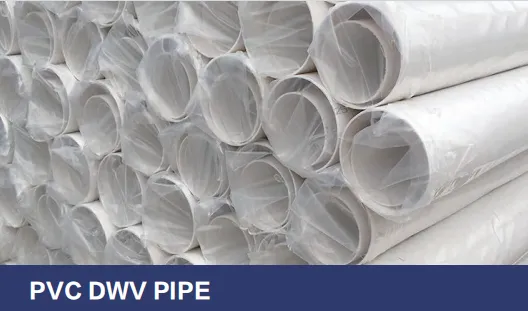
Large-scale construction projects—whether they're sprawling residential complexes, state-of-the-art hospitals, or bustling commercial high-rises—are a symphony of moving parts. From architects drafting blueprints to contractors coordinating crews, every detail matters. But if there's one element that often flies under the radar yet holds the entire project together, it's the plumbing system. At the heart of that system? PVC DWV pipes. Short for Drain, Waste, and Vent, these pipes are the unsung heroes responsible for efficiently removing wastewater, preventing clogs, and ensuring proper ventilation in buildings. For project managers and contractors, the question isn't just which pipes to use, but how to source them. In this article, we'll dive into why bulk ordering PVC DWV pipes has become a game-changer for large-scale projects, exploring the tangible benefits that go beyond cost savings—from consistency and time efficiency to supply chain reliability. We'll also touch on how partnering with the right pvc dwv pipe supplier and leveraging pipes fittings solutions can turn a potential logistical headache into a strategic advantage.
Before we jump into the "why" of bulk ordering, let's take a moment to appreciate what makes PVC DWV pipes indispensable in modern construction. Unlike pressure pipes (which carry water under force), DWV pipes are designed for gravity-fed systems, handling everything from sink drains and shower runoff to toilet waste and venting. Their job is critical: a single leak or clog can delay construction, damage structural elements, or even compromise indoor air quality by trapping harmful gases like methane.
PVC (Polyvinyl Chloride) has emerged as the material of choice for DWV systems for good reason. It's lightweight, making installation faster and less labor-intensive than heavy metal pipes. It's resistant to corrosion, rust, and chemical degradation—key traits when dealing with acidic wastewater or harsh cleaning agents. And perhaps most importantly, it's cost-effective compared to alternatives like cast iron or copper, without sacrificing durability. Modern PVC DWV pipes also meet stringent industry standards, such as ASTM D2665, ensuring they can withstand the demands of large-scale projects, from high-rise apartments to busy hospitals.
But here's the catch: not all PVC DWV pipes are created equal. Even slight variations in wall thickness, diameter, or material composition can lead to compatibility issues during installation. For example, a pipe from one batch might have a slightly different outer diameter than another, making it impossible to fit with standard fittings. In a small renovation, this might be a minor hassle. In a project with thousands of pipe sections, it's a recipe for delays, rework, and ballooning costs. That's where bulk ordering comes in.
Large-scale construction projects—think shopping malls, university campuses, or mixed-use developments—aren't just "bigger" versions of small builds. They operate on tighter timelines, larger budgets, and higher stakes. A single delay in material delivery can domino into missed deadlines, penalty fees, and strained relationships with clients. When it comes to plumbing materials like PVC DWV pipes, relying on small, sporadic orders is a risky strategy.
Consider this: a 30-story commercial tower might require miles of DWV pipes, along with hundreds of fittings—elbows, tees, couplings, and vents. If a contractor orders these in batches of 50 pipes at a time, they're at the mercy of supplier inventory, shipping schedules, and potential supply chain disruptions. One delayed shipment could leave a crew of plumbers idle for days, while another batch might arrive with slightly different specifications, forcing last-minute adjustments. Bulk ordering, by contrast, involves purchasing a large quantity of pipes (and often matching fittings) upfront, ensuring a steady, consistent supply that aligns with the project's timeline.
But bulk ordering isn't just about "buying more." It's a strategic decision that impacts every phase of the project, from planning to completion. Let's break down the key benefits.
When most people hear "bulk ordering," they think of cost savings—and for good reason. Suppliers typically offer volume discounts, meaning the more you order, the lower the cost per unit. For PVC DWV pipes, this can translate to savings of 10-15% compared to small orders, which adds up quickly when you're purchasing thousands of linear feet. But the savings go beyond the price tag.
Shipping costs are another major factor. A single bulk shipment of 5,000 pipes requires one truckload, whereas 10 small orders of 500 pipes each require 10 truckloads. Fewer shipments mean lower fuel costs, fewer delivery fees, and less administrative work processing invoices. For example, a large residential project in Riyadh saved over $40,000 in shipping alone by consolidating their PVC DWV pipe order into two bulk deliveries instead of eight smaller ones.
There's also the hidden cost of time . Every small order requires a purchase order, a quote, a delivery schedule, and follow-up. Multiply that by a dozen orders, and your procurement team is spending hours on administrative tasks that could be better spent on higher-priority issues. Bulk ordering streamlines this process: one negotiation, one contract, one delivery schedule, and far less paperwork.
In plumbing, consistency is king. Imagine installing a section of pipe from Batch A, then a section from Batch B, only to find they don't align—one is slightly thicker, or the threads don't match. In a large project, this isn't just a nuisance; it can derail entire sections of the plumbing system. Bulk ordering eliminates this risk by ensuring all pipes come from the same production batch, with identical specifications.
Reputable pvc dwv pipe suppliers understand this. When you place a bulk order, they'll often produce the entire quantity in one run, subjecting it to the same quality control checks. This means every pipe has the same wall thickness, the same diameter tolerance, and the same material composition. Fittings, too, can be sourced from the same supplier (leveraging their pipes fittings solutions), ensuring a perfect fit every time. For hospitals or schools—where plumbing systems must meet strict health and safety codes—this consistency isn't just convenient; it's non-negotiable.
Case in point: a school construction project in Jeddah initially ordered PVC DWV pipes from three different suppliers to "save money." The result? Pipes from Supplier X were 2mm narrower than those from Supplier Y, leading to leaks at the joints. The contractor had to rip out 200 feet of installed pipe, reorder matching sections, and pay overtime to meet the deadline. The "savings" vanished—and then some. A bulk order from a single supplier would have avoided this entirely.
Large-scale projects run on tight schedules, and delays in material delivery can have a cascading effect. If the plumbing crew can't start installing DWV pipes, the electricians can't run wires in the same walls, and the drywallers can't finish their work. Before you know it, a one-week delay in pipe delivery turns into a month-long setback. Bulk ordering helps mitigate this risk by securing your materials upfront.
When you place a bulk order, you're essentially reserving inventory with the supplier. This means you're prioritized over smaller orders, especially during peak construction seasons when demand for PVC pipes spikes. Suppliers often offer shorter lead times for bulk orders, as they can plan production around your needs. For example, a commercial project in Dubai ordered 10,000 linear feet of PVC DWV pipes six months in advance. When a regional shortage hit three months later, their order was already in production, while smaller orders were delayed by weeks.
Bulk ordering also reduces the need for "just-in-time" panic buys. When you have a warehouse full of pipes on-site (or stored at the supplier's facility for scheduled deliveries), you're prepared for unexpected changes—like a design modification that requires extra pipe, or a crew finishing a section faster than planned. This flexibility keeps the project moving forward without costly interruptions.
The last few years have taught the construction industry a hard lesson: supply chains are fragile. Pandemics, geopolitical tensions, and material shortages can disrupt even the best-laid plans. In this environment, a transactional relationship with a supplier—ordering small quantities here and there—leaves you vulnerable. Bulk ordering, by contrast, builds a partnership.
Suppliers value bulk customers because they provide steady revenue and reduce production uncertainty. In return, they're more likely to prioritize your order during shortages, offer technical support, and even alert you to potential issues (like a pending price increase or a delay in raw materials). For example, a leading pipes fittings supplier in Saudi Arabia offers bulk customers a dedicated account manager, 24/7 technical support, and priority access to new product lines. These perks aren't just nice to have—they're critical when you're racing to meet a deadline.
This partnership also extends to problem-solving. If a bulk order arrives with a minor defect (a rare occurrence with reputable suppliers), the supplier is incentivized to fix it quickly—offering replacements or discounts—rather than risk losing a valuable client. Small orders, on the other hand, might get pushed to the bottom of the priority list.
Sustainability is no longer an afterthought in construction; it's a requirement. Clients, regulators, and even consumers are demanding greener building practices, and materials sourcing plays a big role. Bulk ordering PVC DWV pipes aligns with this goal by reducing your project's carbon footprint.
Think about it: 10 small deliveries require 10 trucks, 10 drivers, and 10 times the fuel. A single bulk delivery requires one. This cuts down on greenhouse gas emissions significantly. For example, a bulk order of 20,000 linear feet of PVC DWV pipes might require two truckloads instead of 12, reducing carbon emissions by over 80% for that part of the supply chain. Additionally, bulk orders generate less packaging waste—fewer boxes, plastic wraps, and pallets—all of which end up in landfills.
PVC itself is also a sustainable choice. It's recyclable, and modern production processes use less energy than traditional materials. When combined with bulk ordering, it becomes an even greener option, helping projects qualify for LEED or other sustainability certifications. For developers aiming to market their buildings as "eco-friendly," this is a tangible selling point.
To put these benefits into perspective, let's look at a real-world example (with identifying details changed for privacy). "Skyline Towers" is a 40-story mixed-use development in Dubai, featuring offices, retail space, and luxury apartments. The project required over 30,000 linear feet of PVC DWV pipes and 2,500 fittings, spread across 12 floors of residential units and 8 floors of commercial space. The general contractor, initially hesitant about tying up capital in bulk materials, decided to test bulk ordering for the plumbing phase.
They partnered with a local pvc dwv pipe supplier that also offered comprehensive pipes fittings solutions, placing a bulk order for all PVC DWV pipes and matching fittings. The results were striking:
The project manager later noted, "We were worried about tying up cash in bulk materials, but the savings in time, labor, and rework more than offset it. Plus, knowing we had a reliable supply let us sleep better at night."
Bulk ordering is only as effective as the supplier behind it. Choosing the wrong partner can turn a strategic move into a disaster. So, what should you look for in a pvc dwv pipe supplier?
| Factor | Bulk Ordering | Non-Bulk Ordering |
|---|---|---|
| Cost Per Unit | 10-15% lower (volume discount) | Higher (retail pricing) |
| Delivery Frequency | 1-3 deliveries | 10+ deliveries |
| Quality Consistency | High (same batch) | Variable (different batches/suppliers) |
| Lead Time | Predictable (scheduled production) | Unpredictable (subject to stock levels) |
| Admin Work | Minimal (one contract, few invoices) | Extensive (multiple POs, quotes, invoices) |
| Carbon Footprint | Low (fewer deliveries) | High (more deliveries) |
Large-scale construction projects are complex, high-stakes endeavors, and every decision—from design to material sourcing—impacts the outcome. When it comes to PVC DWV pipes, bulk ordering isn't just a way to "buy more for less"; it's a strategic investment in consistency, efficiency, and reliability. By partnering with a trusted pvc dwv pipe supplier and leveraging their pipes fittings solutions, project managers can unlock cost savings, reduce delays, ensure quality, and even shrink their carbon footprint.
The benefits are clear: lower costs, faster installation, fewer headaches, and a higher chance of delivering on time and under budget. For hospitals, schools, commercial towers, or residential complexes, these aren't just perks—they're the difference between success and failure. So, the next time you're planning a large-scale project, don't view bulk ordering as a risk. View it as the smartest way to build a plumbing system that can keep up with your ambitions.
Recommend Products












