
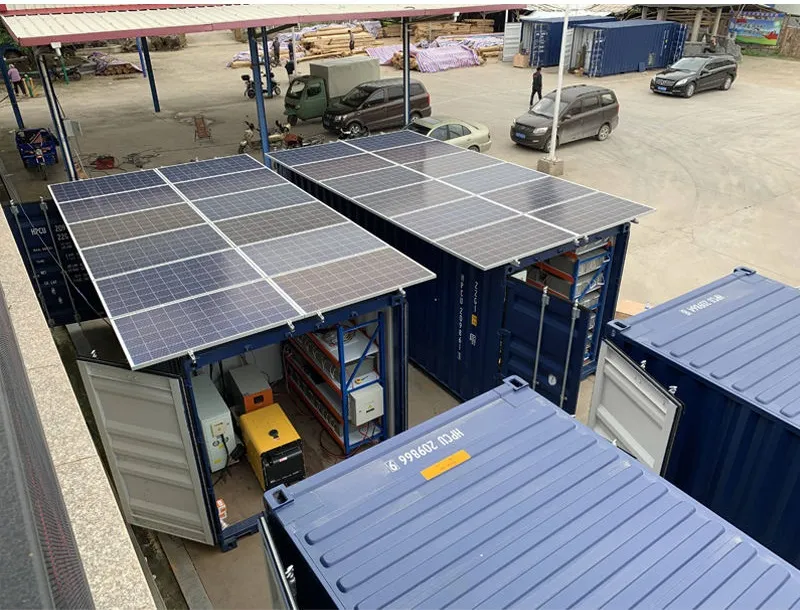
In a world where construction and sustainability are no longer competing goals but intertwined necessities, the role of a building material supplier has undergone a profound shift. Today's developers, architects, and contractors aren't just looking for bricks, cement, or steel—they're seeking partners who understand the urgency of renewable energy integration. Solar panels, once an afterthought in construction, now sit at the heart of green building design. As a leading building material supplier specializing in renewable energy solutions, we're breaking down how solar panel solutions are reshaping the industry, and why choosing a one-stop architectural solution provider can turn your next project from "sustainable" to "sustainably exceptional."
Let's start with the basics: buildings account for nearly 40% of global energy consumption, according to the International Energy Agency. That's a staggering number—and it's why modern construction can't afford to ignore renewable energy. Solar panels, which convert sunlight into electricity, are the most accessible and scalable solution to this challenge. But here's the catch: installing solar panels isn't just about slapping them on a roof. It requires a holistic approach to building materials—materials that support, enhance, and even integrate with solar technology from the ground up.
This is where a forward-thinking building material supplier steps in. We're not just selling products; we're providing the building blocks for energy-independent structures. Imagine a commercial high-rise where the facade doubles as a solar panel array, or a residential home where the roof tiles generate enough power to offset monthly bills. These aren't futuristic concepts—they're today's realities. And they start with choosing the right solar panel solutions, paired with compatible building materials, from day one of the project.
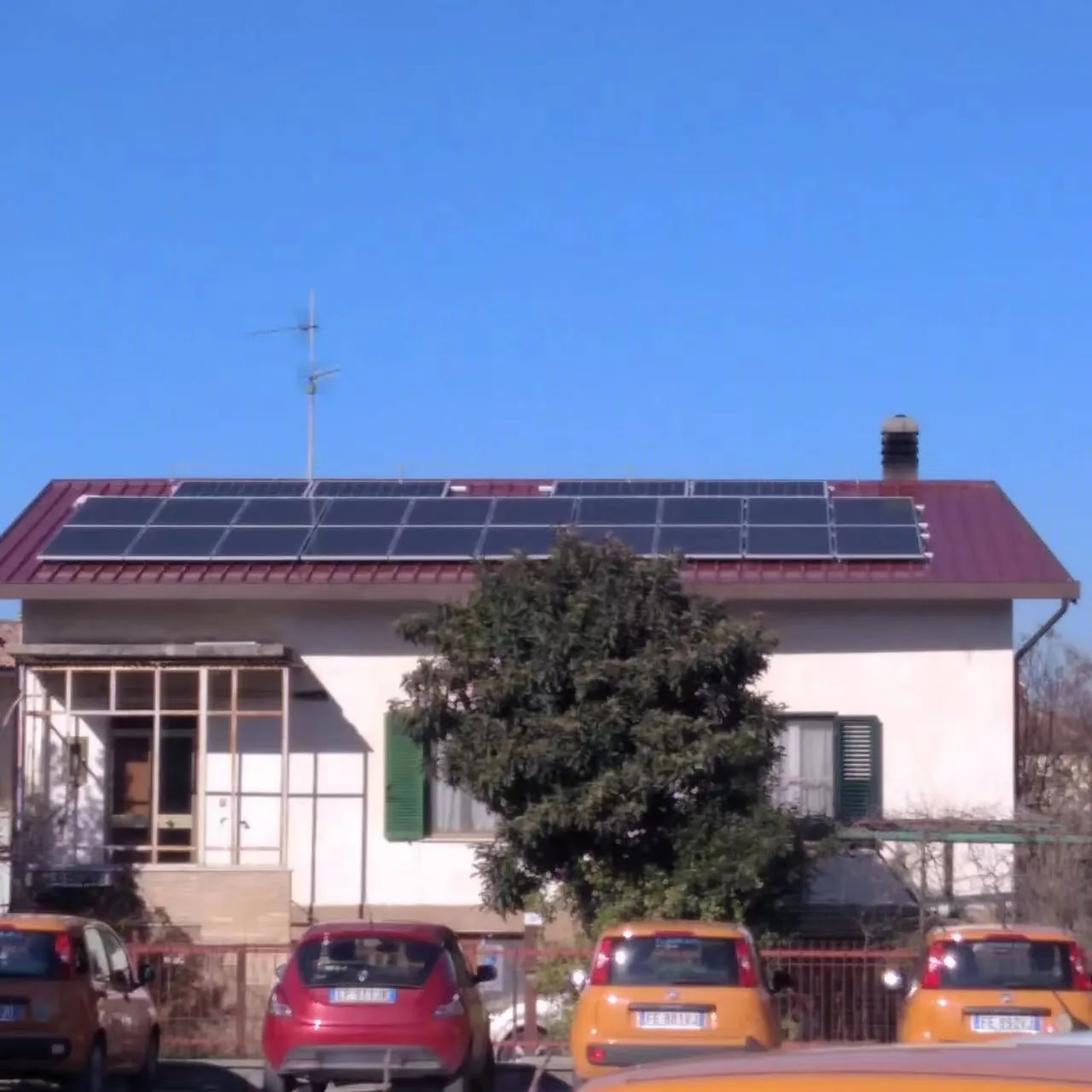
As a dedicated solar panels supplier, we've learned that no two projects are the same. A luxury villa in Riyadh has different needs than a hospital in Jeddah, just as a school in Dammam requires different considerations than a shopping mall in Riyadh. That's why our solar panel solutions are designed to be flexible, efficient, and tailored to diverse use cases. Let's dive into the core offerings that set our solar panel solutions apart:
| Solution Type | Best For | Efficiency Range | Key Features | Standout Benefits |
|---|---|---|---|---|
| Monocrystalline Solar Panels | Residential & Commercial (High-Efficiency Needs) | 18-24% | Single-crystal silicon cells, sleek black design, space-saving | Maximizes power output in limited space; ideal for rooftops with size constraints |
| Polycrystalline Solar Panels | Commercial (Cost-Effective Large-Scale Projects) | 15-17% | Multi-crystal silicon cells, blue hue, durable construction | Lower upfront cost; great for expansive areas like warehouse roofs or solar farms |
| Thin-Film Solar Panels | Architectural Integration (Facades, Curved Surfaces) | 10-12% | Lightweight, flexible, customizable shapes and colors | Seamless aesthetic integration; works on non-flat surfaces like curved walls or skylights |
| BIPV Solar Panels (Building-Integrated Photovoltaics) | Modern Commercial & High-End Residential | 12-18% | Replaces traditional building materials (e.g., roof tiles, facade panels) | Generates power while serving as a functional building component; reduces material waste |
Each of these solutions is backed by rigorous testing—ensuring they withstand Saudi Arabia's harsh climate, from scorching summers to occasional sandstorms. We source panels with high-temperature tolerance, anti-reflective coatings, and corrosion-resistant frames, because we know that in construction, reliability matters as much as efficiency.
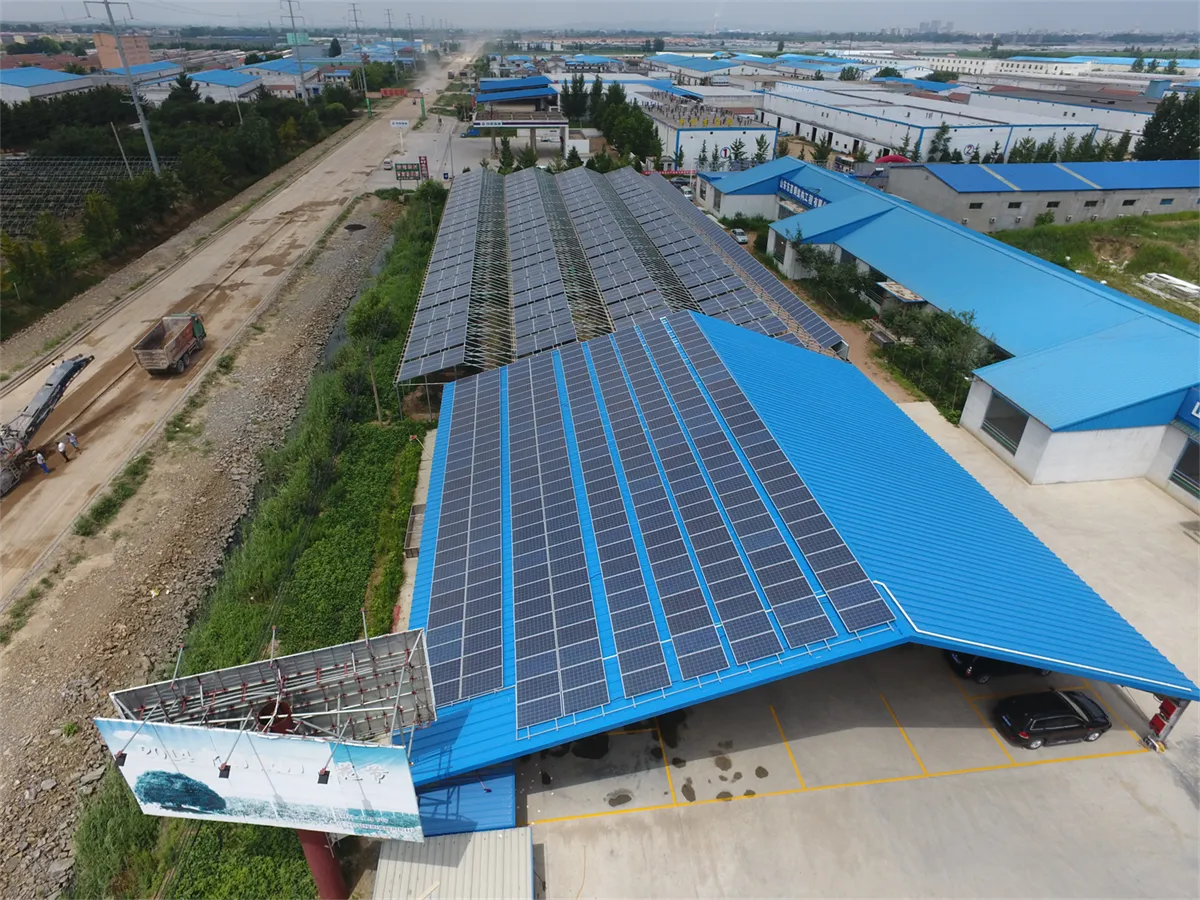
Here's a common frustration we hear from contractors: "I sourced solar panels from Company A, mounting brackets from Company B, and wiring from Company C—and none of them work together." Sound familiar? This fragmented approach wastes time, increases costs, and risks project delays. That's why being a one-stop architectural solution provider isn't just a marketing buzzword for us—it's a commitment to simplifying your workflow.
What does this look like in practice? When you partner with us, you're not just getting solar panels. You're getting a full ecosystem of supporting materials and expertise:
For example, last year, we partnered with a developer on a 200-unit residential complex in Jeddah. Instead of forcing them to coordinate with five different suppliers, we delivered solar panels, mounting systems, and roofing materials in a single shipment, with a dedicated project manager overseeing every step. The result? The project was completed two weeks ahead of schedule, and the developer saved 15% on logistics costs alone. That's the power of a one-stop approach.
The Challenge: A developer wanted to market "Green Haven" as a "net-zero energy" community, but needed solar solutions that wouldn't compromise the project's modern aesthetic or budget.
Our Solution: We recommended monocrystalline solar panels paired with BIPV roof tiles for the community's townhouses. The monocrystalline panels (22% efficiency) were installed on flat rooftops for maximum power generation, while the BIPV tiles replaced traditional clay tiles on sloped roofs, blending seamlessly with the architecture.
The Outcome: Each home generates 80-100% of its electricity needs, reducing residents' utility bills by an average of 70%. The developer reported a 25% increase in pre-sales, with "solar-ready" becoming a key selling point.
The Challenge: A corporate client wanted to reduce the carbon footprint of their 15-story office tower, which housed 500 employees and required constant air conditioning and lighting.
Our Solution: We installed thin-film solar panels on the building's south-facing facade (which receives the most sunlight) and polycrystalline panels on the rooftop. The thin-film panels, with their neutral gray color, complemented the tower's glass exterior, while the rooftop polycrystalline array provided bulk power.
The Outcome: The building now generates 30% of its electricity from solar, cutting annual carbon emissions by 450 tons. The client also qualified for a government green building subsidy, offsetting 30% of the solar installation cost.
Not all solar panels suppliers are created equal. With so many options on the market, it's easy to get swayed by low prices—only to regret it when panels underperform or customer support goes silent. Here's what we believe sets a reliable supplier apart:
1. Quality Over Cost: Cheap panels may save money upfront, but they often have shorter lifespans (5-10 years vs. 25+ for premium options) and lower efficiency. Look for suppliers who provide warranties (we offer 25-year performance warranties on our monocrystalline panels) and third-party certifications (like TÜV, UL, or ISO 9001).
2. Local Expertise: Saudi Arabia's climate is unique—extreme heat, high UV radiation, and occasional dust storms. A supplier who understands these conditions will offer panels tested for durability in such environments. Our panels, for example, undergo accelerated aging tests at 85°C to ensure they perform in summer temperatures that often exceed 50°C.
3. End-to-End Support: Installation issues, maintenance questions, or warranty claims should be handled quickly. We assign a dedicated account manager to every client, available 24/7 during project execution, and a post-installation support team for the lifetime of the panels.
4. Sustainability Credentials: If your project aims for LEED or Estidama certification, your solar panels supplier should align with those goals. We source materials from factories with low-carbon footprints and offer recycling programs for old panels, ensuring your project is green from start to finish.
The solar industry is evolving faster than ever, and as a building material supplier, we're committed to staying ahead of the curve. Here are three trends we're watching (and already integrating into our offerings):
1. BIPV 2.0: Smarter, More Aesthetic Integration – The next generation of BIPV panels won't just replace roof tiles or facade panels—they'll include smart features, like built-in sensors that monitor temperature, humidity, or even structural stress. Imagine a solar facade that generates power and alerts maintenance teams to a potential leak—all in real time.
2. Perovskite Solar Cells – These lab-tested cells have shown efficiency rates of over 30% (compared to today's 24% max for monocrystalline panels) and can be printed like ink, making them ultra-thin and flexible. While still in development, we're partnering with research labs to pilot perovskite panels in small-scale projects by 2026.
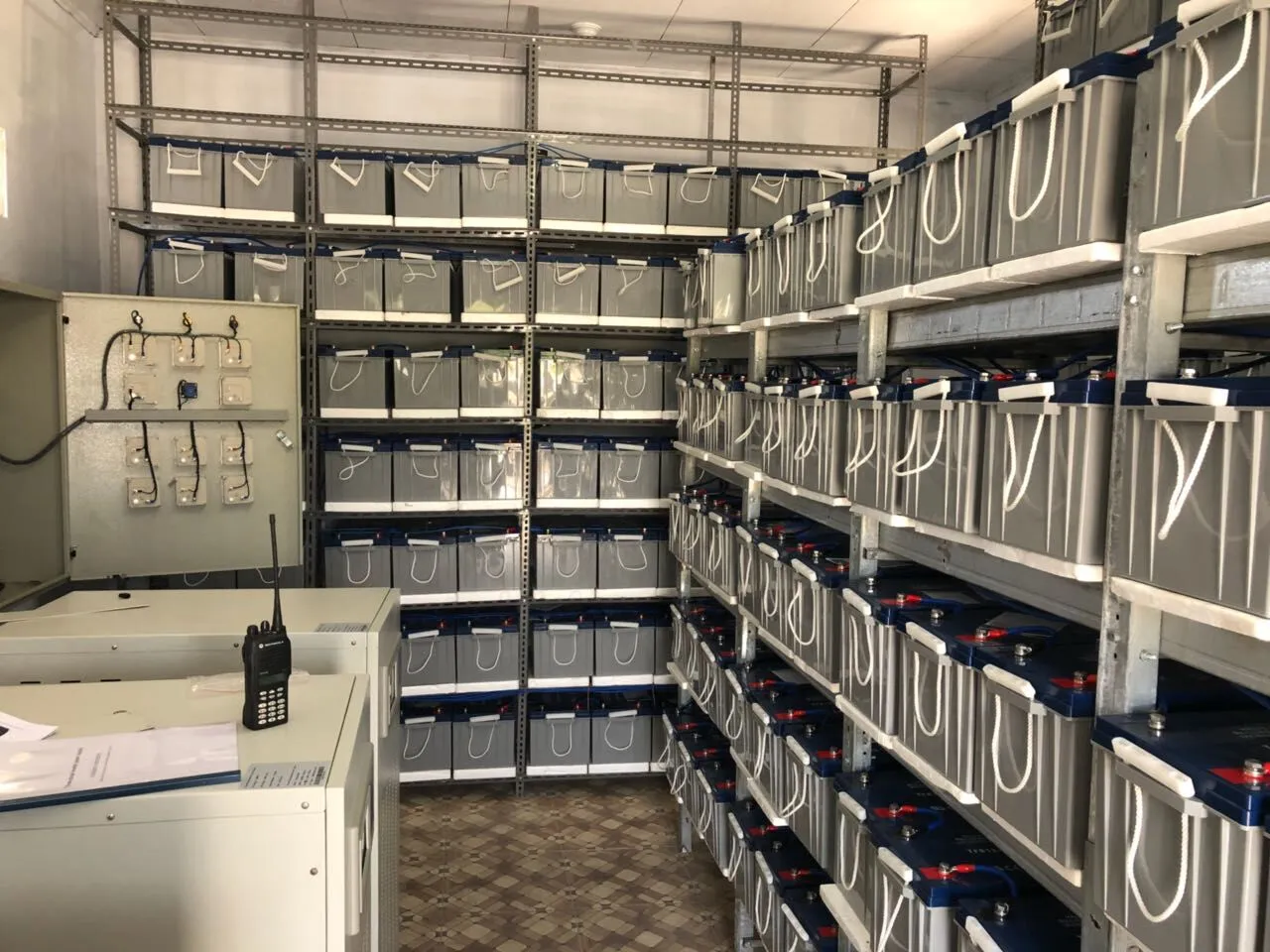
3. Solar-Storage Hybrids – As battery technology improves, we're seeing more demand for solar panels paired with built-in energy storage. Our new "Solar+Storage" packages combine panels with compact lithium-ion batteries, allowing homes and businesses to store excess power for night use or power outages—a game-changer for regions with unreliable grids.
Solar panel solutions aren't just about reducing energy bills—they're about reimagining what buildings can be: generators of clean energy, not just consumers. As a building material supplier and one-stop architectural solution provider, we're proud to be part of this shift. Whether you're building a single-family home, a commercial complex, or a public institution, the right solar panels and supporting materials can turn your project into a beacon of sustainability.
So, what's next? Let's start a conversation. Tell us about your project, your goals, and your challenges. We'll bring the solar panel solutions, the expertise, and the commitment to see it through—from the first blueprint to the final switch-on. Because in the end, sustainable construction isn't just about the materials you use. It's about the partner you choose to build with.
Recommend Products












