
Infrastructure is the backbone of any thriving community. From hospitals and schools that care for and educate our families to commercial complexes that drive local economies, every structure relies on high-quality building materials to stand strong, function seamlessly, and ensure safety. At the heart of these projects lies a critical decision: choosing the right building material supplier. When it comes to infrastructure—where durability, compliance, and reliability are non-negotiable—partnering with a supplier that understands the unique demands of large-scale projects isn't just a convenience; it's a necessity. Today, we're diving into three cornerstones of infrastructure development: pipes, cables, and electrical solutions. We'll explore why these components matter, what to look for in a supplier, and how the right materials can turn a construction project from ordinary to exceptional.
Infrastructure projects are complex beasts. They involve dozens of stakeholders, tight deadlines, and strict regulatory standards—especially when the end result is a hospital, school, or public transit hub where safety can't be compromised. A subpar pipe might lead to water leaks in a school's plumbing system, disrupting classes and risking mold growth. Low-quality cables could fail during a commercial building's peak hours, causing power outages and financial losses. Even something as small as a faulty switch in a hospital could put patient care on hold. That's why choosing a supplier with a track record of excellence isn't just about getting materials—it's about mitigating risk, ensuring compliance, and building trust.
The best suppliers don't just deliver products; they act as partners. They understand local building codes, stay ahead of industry innovations (like fire-resistant materials for high-traffic areas), and offer technical support when challenges arise. For example, a pipes fittings supplier that provides on-site installation guidance can save contractors hours of troubleshooting. A cables supplier that offers custom solutions for unique project layouts ensures that even the most complex electrical systems run smoothly. In short, the right supplier turns "what ifs" into "we've got this."
If infrastructure were a human body, pipes would be the veins and arteries. They carry water, gas, and waste—keeping systems flowing and buildings functional. But not all pipes are created equal. The material, design, and durability of a pipe can make or break its performance, especially in high-demand environments like hospitals or commercial centers. Let's break down the types of pipes most critical to infrastructure projects and why choosing the right ones matters.
Take a moment to think about a new residential complex being built on the outskirts of a city. Hundreds of families will soon call this place home, and their daily lives will depend on consistent water supply and efficient waste removal. Enter UPVC (Unplasticized Polyvinyl Chloride) pipes. As an upvc pipe supplier will tell you, these pipes are a staple in infrastructure for good reason: they're lightweight, corrosion-resistant, and incredibly durable. Unlike metal pipes, which can rust over time, UPVC pipes stand up to harsh chemicals, extreme temperatures, and the wear and tear of daily use—making them ideal for both potable water lines and drainage systems.
One of the biggest advantages of UPVC pipes is their ease of installation. They're lightweight, so they're easier to transport and handle on construction sites, reducing labor costs and speeding up project timelines. They also require minimal maintenance, which is a huge plus for infrastructure projects where long-term cost efficiency is key. For example, a school using UPVC pipes for its plumbing system won't have to worry about frequent repairs, freeing up budget for other critical needs like classroom equipment or teacher training.
Now, consider a hospital's heating and cooling system. Patients and staff rely on consistent hot water for hygiene, and precise temperature control is critical for medical equipment. Here, PPR (Polypropylene Random Copolymer) pipes shine. As a ppr pipe and fitting supplier knows, PPR pipes are designed to handle both hot and cold water, with excellent heat resistance and pressure tolerance. They're also non-toxic, which is essential for applications where water quality directly impacts health—like in hospitals or schools.
PPR pipes are joined using heat fusion, creating a seamless, leak-proof connection that's far more reliable than traditional threaded joints. This makes them a favorite for infrastructure projects where safety and longevity are priorities. Imagine a busy hotel kitchen: the last thing staff need is a water leak disrupting meal service. PPR pipes minimize that risk, ensuring that even in high-pressure environments, the water supply stays consistent.
In spaces like hospitals, schools, or commercial kitchens—where fire safety is paramount—CPVC (Chlorinated Polyvinyl Chloride) pipes are often the go-to choice. These pipes are known for their exceptional fire resistance, meeting strict safety standards like ASTM D2846. As a cpvc pipe and fitting (astm d2846) supplier will explain, CPVC pipes can withstand temperatures up to 200°F (93°C), making them suitable for hot water systems in high-risk areas. They're also resistant to corrosion and chemical damage, which is why they're commonly used in laboratory facilities or industrial infrastructure where harsh substances are present.
| Pipe Type | Key Features | Ideal Applications | Why It Stands Out |
|---|---|---|---|
| UPVC | Lightweight, corrosion-resistant, cost-effective | Water supply, drainage, residential complexes | Low maintenance; ideal for large-scale projects with tight budgets |
| PPR | Heat-resistant, leak-proof fusion joints, non-toxic | Hospitals, hotels, hot/cold water systems | Safe for potable water; reliable in high-pressure environments |
| CPVC | Fire-resistant (ASTM D2846), chemical-resistant | Hospitals, schools, industrial labs | Meets strict fire safety codes; withstands extreme temperatures |
| PVC DWV | Durable, easy to install, designed for waste flow | Commercial buildings, public restrooms | Optimized for gravity-fed waste systems; reduces clogs |
When it comes to pipes, the right supplier doesn't just offer a product—they offer expertise. A pipes fittings supplier that understands the nuances of each pipe type can help contractors select the best option for their project, whether it's a school needing budget-friendly UPVC pipes or a hospital requiring fire-resistant CPVC solutions. This level of partnership ensures that infrastructure projects don't just meet standards—they exceed them.
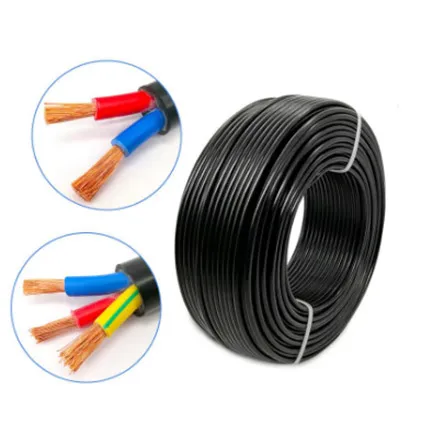
If pipes are the veins of infrastructure, cables are the nerves—carrying electricity to every corner of a building and ensuring that systems like lighting, HVAC, and security run without a hitch. In infrastructure projects, where electrical demands are high and downtime is costly, the quality of cables is non-negotiable. A single faulty cable can lead to power outages, equipment damage, or even safety hazards like electrical fires. That's why partnering with a trusted cables supplier is critical.
Cables come in two primary conductors: copper and aluminum. Each has its strengths, and the choice depends on the project's needs. Copper cables are known for their superior conductivity and flexibility, making them ideal for applications where space is tight or frequent bending is required—like in commercial buildings with complex electrical layouts. They also have excellent heat resistance, which is why they're often used in high-load areas like data centers or industrial facilities.
Aluminum cables, on the other hand, are lighter and more cost-effective, making them a popular choice for large-scale infrastructure projects where long cable runs are needed—like in power distribution for residential complexes or outdoor lighting systems. A knowledgeable cables supplier will help contractors weigh the pros and cons, ensuring that the chosen cable type balances performance, cost, and safety.
The conductor is just one part of a cable's story; the insulation is equally important. In infrastructure projects, cables must meet strict safety standards to prevent electrical shocks, fires, or interference. For example, cables used in hospitals often require low-smoke zero-halogen (LSZH) insulation, which releases minimal toxic fumes in the event of a fire—protecting patients and staff. Similarly, outdoor cables need UV-resistant insulation to withstand harsh weather conditions, ensuring reliability in street lighting or parking lot systems.
Consider a school auditorium with a complex lighting and sound system. The cables running through the walls and ceilings must not only carry power efficiently but also resist damage from daily use. A reputable cables supplier will provide cables with durable insulation that stands up to wear and tear, reducing the risk of costly repairs or safety incidents down the line.
Pipes carry water, cables carry power, but electrical solutions—like distribution boxes, switches, and sockets—are the "brains" that control how power is distributed and used. In infrastructure projects, these components are critical for ensuring that electricity flows safely and efficiently, from the main power source to every outlet, light, and piece of equipment. Let's explore the key electrical solutions that keep infrastructure running smoothly.
Imagine a commercial mall with hundreds of stores, each with its own lighting, air conditioning, and POS systems. Managing the electrical load here is no small feat—that's where distribution boxes come in. As a distribution box supplier will explain, these boxes act as the central hub for electrical distribution, dividing power from the main supply into smaller circuits that feed different areas of a building. They also include circuit breakers that trip in case of overload, preventing electrical fires and protecting equipment.
In infrastructure projects like hospitals, distribution boxes are even more critical. A hospital's electrical system must be redundant, with backup power sources and distribution boxes that can isolate faulty circuits without disrupting life-saving equipment. A reliable distribution box supplier will offer customizable solutions, ensuring that the box is tailored to the project's specific needs—whether it's a small clinic or a sprawling medical campus.
Switches and sockets are the points where users interact with a building's electrical system, and their quality directly impacts both safety and convenience. In high-traffic areas like schools or airports, switches and sockets must be durable enough to withstand frequent use, while in hospitals, they need to meet strict hygiene standards (like being easy to clean) and safety codes (like Class A fire resistance).
A switches & socket supplier that specializes in infrastructure projects will offer products designed for these unique demands. For example, weatherproof sockets are essential for outdoor spaces like school playgrounds or hotel patios, while tamper-proof sockets are a must in schools to protect curious children. In commercial kitchens, heat-resistant switches ensure that even near ovens and grills, the electrical system remains safe.
Take a university campus, for instance. Dorms, lecture halls, and labs all have different electrical needs—dorms require multiple sockets for students' laptops and devices, labs need specialized sockets for equipment, and lecture halls need dimmable switches for projectors and lighting. A supplier that offers a range of switches and sockets can meet all these needs, ensuring consistency and compliance across the campus.
Infrastructure projects are already complex enough without juggling multiple suppliers for pipes, cables, and electrical solutions. That's why more and more contractors are turning to one-stop suppliers—companies that offer a comprehensive range of building materials under one roof. The benefits here are clear: simplified logistics, consistent quality, and a single point of contact for technical support and problem-solving.
For example, a one-stop supplier that's also a pipes fittings supplier, cables supplier, and distribution box supplier can ensure that all components are compatible, reducing the risk of mismatched parts that cause delays. They can also offer bulk pricing, helping projects stay under budget. Perhaps most importantly, they provide peace of mind—knowing that every material meets the same high standards for quality and compliance.
Consider a city's new public transit hub, which includes a train station, bus terminal, and retail spaces. The project requires hundreds of pipes for water and drainage, miles of cables for lighting and security, and dozens of distribution boxes to manage the electrical load. Coordinating with separate suppliers for each of these components would be a logistical nightmare. But with a one-stop supplier, the contractor can streamline the ordering process, track deliveries in real time, and rely on a single team for any questions or issues that arise.
Infrastructure projects are about more than just bricks and mortar—they're about building communities, improving lives, and creating spaces that stand the test of time. At every step of the way, the materials used play a critical role in determining a project's success. Pipes that resist corrosion, cables that carry power safely, and electrical solutions that adapt to changing needs—these are the building blocks of infrastructure that lasts.
Choosing the right supplier isn't just a business decision; it's an investment in the future. Whether you're building a hospital that will care for generations, a school that will educate tomorrow's leaders, or a commercial center that will drive economic growth, partnering with a supplier that understands your vision and delivers quality materials is essential. So, as you embark on your next infrastructure project, remember: the right pipes, cables, and electrical solutions aren't just materials—they're the foundation of something great.
In the end, infrastructure is about connection—connecting people to services, communities to resources, and ideas to action. And it all starts with the right building material supplier. So, take the time to choose wisely. Your project, your community, and your future self will thank you.
Recommend Products












