
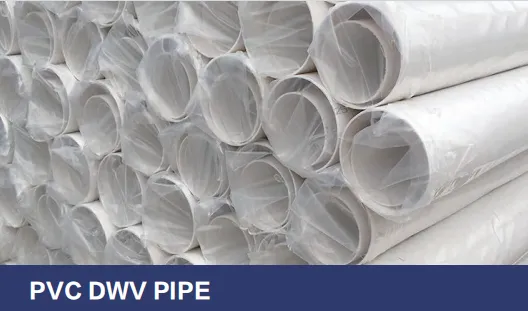
When it comes to building or renovating, plumbing is often one of those hidden costs that can quickly eat into a project budget. Whether you're a homeowner upgrading your bathroom, a contractor managing a multi-unit apartment complex, or a small business owner fitting out a new restaurant, finding affordable plumbing solutions without sacrificing quality is a top priority. Enter PVC DWV pipes—a material that has revolutionized the plumbing industry with its unbeatable combination of cost-effectiveness, durability, and ease of use. In this article, we'll dive deep into why PVC DWV pipes have become the go-to choice for cost-conscious projects, how they stack up against other materials, and how partnering with the right PVC DWV pipe supplier can make all the difference in your project's success.
First things first: let's decode the acronym. PVC stands for Polyvinyl Chloride, a synthetic plastic polymer known for its strength and versatility. DWV? That stands for Drain, Waste, and Vent—three critical functions in any plumbing system. So, PVC DWV pipes are specifically designed to handle the removal of wastewater and sewage (drain and waste) while also allowing air to circulate through the system to prevent clogs and maintain proper pressure (vent). Unlike pressure pipes used for supplying water (like PPR or copper), DWV pipes are engineered for gravity-fed systems, making them ideal for sinks, showers, toilets, and other fixtures that rely on downward flow.
But why has this material become so popular? Let's start with the basics: PVC is lightweight, corrosion-resistant, and surprisingly affordable. For decades, plumbers and builders relied on heavy materials like cast iron or copper for drain lines, but those options came with steep price tags and cumbersome installation processes. PVC DWV pipes changed the game by offering a lightweight alternative that's easy to cut, join, and install—saving both time and money on labor costs. Today, they're a staple in both residential and commercial projects, and for good reason.
If you're watching your bottom line, PVC DWV pipes check all the boxes. Let's break down their most compelling advantages:
Let's talk numbers. Cast iron, once the gold standard for drain pipes, can cost two to three times more per linear foot than PVC DWV. Copper, another traditional material, is even pricier, especially in today's market where metal costs fluctuate. PVC, on the other hand, is mass-produced from readily available plastic resins, keeping raw material costs low. For a typical 2,000-square-foot home, switching from cast iron to PVC DWV pipes can save thousands of dollars in material expenses alone. And when you're working on a commercial project—say, a 50-unit apartment building—those savings multiply exponentially.
Labor is often where project budgets get derailed, and plumbing is no exception. Cast iron pipes are heavy—so heavy that they often require two people to carry and install. Cutting them requires specialized tools, and joining them involves messy, time-consuming processes like caulking and clamping. PVC DWV pipes, by contrast, are lightweight (a 10-foot section of 4-inch PVC DWV pipe weighs around 10 pounds, compared to 70 pounds for cast iron). They can be cut with a simple handsaw or pipe cutter, and joining them is as easy as applying solvent cement—a process that takes minutes, not hours. This means your plumber or contractor can install more pipe in less time, slashing labor costs significantly.
Budget-friendly doesn't have to mean "cheap and disposable." PVC DWV pipes are built to last. When properly installed, they can have a lifespan of 50 years or more—comparable to cast iron and longer than some other plastic alternatives like ABS (Acrylonitrile Butadiene Styrene). PVC resists corrosion, rust, and chemical damage from common household and commercial waste, so you won't have to worry about leaks or pipe degradation causing expensive repairs down the line. For homeowners and building owners, this longevity translates to peace of mind and long-term savings.
In plumbing, corrosion is the enemy. Metal pipes like cast iron or steel are prone to rusting over time, especially in areas with hard water or high levels of minerals. This corrosion can lead to clogs, leaks, and even pipe failure. PVC DWV pipes, however, are completely corrosion-resistant. They don't react to acids, alkalis, or saltwater, making them ideal for a wide range of environments—from coastal homes to commercial kitchens where grease and food waste are common. This resistance means less maintenance, fewer repairs, and lower long-term costs.
No one wants to budget for a project only to face fines or redo work because of non-compliant materials. PVC DWV pipes are rigorously tested and meet strict industry standards, including those set by the International Plumbing Code (IPC) and ASTM International. Reputable manufacturers ensure their pipes are certified for use in residential, commercial, and industrial applications, so you can rest easy knowing your plumbing system is up to code. This compliance not only avoids costly do-overs but also ensures the safety and functionality of your space.
PVC DWV pipes aren't just for one type of project—they're versatile enough to handle everything from small home renovations to large-scale commercial builds. Let's explore where they shine:
In homes, PVC DWV pipes are used for nearly every drain line. Think kitchen sinks, bathroom showers, toilets, bathtubs, and laundry tubs. Their lightweight nature makes them easy to install in tight spaces, like between floor joists or inside walls, which is a huge plus for homebuilders working with limited access. For multi-unit apartments or townhomes, PVC DWV systems can be designed to efficiently connect multiple fixtures, reducing the need for excessive pipe runs and cutting down on material costs. Homeowners also appreciate that PVC pipes are quiet—unlike cast iron, which can produce loud gurgling or clanging sounds when water flows through them.
Commercial projects often have more complex plumbing needs, and PVC DWV pipes rise to the challenge. Restaurants, for example, require durable drain lines that can handle grease, food particles, and frequent use. PVC's smooth interior surface minimizes clogs, making it easier to maintain even in high-traffic kitchens. Hotels and resorts benefit from PVC's cost-effectiveness when outfitting dozens of guest bathrooms, while retail spaces and offices use it for sinks, urinals, and floor drains. Even schools and hospitals rely on PVC DWV pipes for their plumbing systems, thanks to their resistance to bacteria growth and easy cleaning.
While industrial plumbing often involves heavy-duty materials, PVC DWV pipes have a place here too. They're commonly used for non-pressure drainage systems in factories, warehouses, and manufacturing facilities, where they handle wastewater, rainwater runoff, and industrial byproducts (as long as the chemicals involved are compatible with PVC). Their corrosion resistance makes them a smart choice for environments where metal pipes would degrade quickly, and their low cost helps keep industrial project budgets in check.
To truly understand why PVC DWV pipes are a budget-friendly choice, it helps to see how they stack up against other common plumbing materials. Let's compare them side by side:
| Material | Initial Cost (Per Linear Foot) | Installation Difficulty | Expected Lifespan | Maintenance Needs | Corrosion Resistance |
|---|---|---|---|---|---|
| PVC DWV | $2–$5 | Easy (lightweight, simple joining) | 50+ years | Low (no rust, minimal clogs) | Excellent |
| Cast Iron | $8–$15 | Difficult (heavy, requires special tools) | 50–80 years | High (prone to rust and clogs) | Poor (rusts over time) |
| Copper | $10–$20 | Moderate (requires soldering) | 50–70 years | Moderate (can develop pinhole leaks) | Good (but reacts to certain chemicals) |
| ABS | $3–$6 | Easy (similar to PVC) | 30–50 years | Low | Good |
| Galvanized Steel | $6–$12 | Difficult (heavy, threading required) | 20–50 years | High (prone to rust and corrosion) | Poor |
As the table shows, PVC DWV pipes offer the lowest initial cost, easiest installation, and excellent longevity—making them the most budget-friendly option for most projects. While ABS is similar in cost and installation, PVC typically has a longer lifespan, giving it the edge for long-term savings. Cast iron and copper, though durable, come with higher material and labor costs that can strain budgets, especially for large projects.
Even the best material can fall short if you don't partner with a reliable supplier. When selecting a PVC DWV pipe supplier, keep these factors in mind to ensure you get quality products and support:
Not all PVC DWV pipes are created equal. Look for a supplier that carries pipes certified by recognized organizations like ASTM (e.g., ASTM D2665 for PVC DWV pipes) and compliant with local building codes. These certifications ensure the pipes have been tested for strength, durability, and safety. A reputable supplier will readily share certification documents and test reports, so don't hesitate to ask.
A great PVC DWV pipe supplier won't just sell pipes—they'll offer a full range of fittings, valves, and accessories. This includes elbows, tees, couplings, traps, and vents, all designed to work seamlessly with their pipes. Buying from a single supplier for both pipes and fittings saves time, reduces the risk of compatibility issues, and often qualifies you for bulk discounts. Some suppliers even offer custom solutions, like pre-cut pipes or specialized fittings, to meet unique project needs.
Plumbing projects can hit snags, and you need a supplier who can help. Look for a team with knowledgeable staff who can answer technical questions, help you select the right products for your project, and offer guidance on installation best practices. Whether you're a seasoned contractor or a first-time homeowner, having access to expert support can prevent costly mistakes and keep your project on track.
Of course, cost is a key factor. Compare prices from multiple suppliers, but remember that the lowest price isn't always the best deal—quality matters too. Look for a supplier that offers transparent pricing with no hidden fees, and ask about volume discounts if you're ordering large quantities. Flexible ordering options, like the ability to buy in bulk or place rush orders, can also be a lifesaver for tight deadlines.
There's nothing worse than halting a project because materials are delayed. Choose a supplier with a strong logistics network and reliable inventory management. They should be able to deliver products when and where you need them, whether that's to a job site or your warehouse. Some suppliers even offer same-day or next-day delivery for local orders, which is a huge advantage for time-sensitive projects.
Still not convinced? Let's look at a few real-world examples of how PVC DWV pipes helped keep projects on budget:
A property management company in Texas needed to replace outdated cast iron drain lines in a 1970s apartment complex. The original estimate using cast iron came in at $120,000, including materials and labor. After consulting with a local PVC DWV pipe supplier, they switched to PVC DWV pipes. The material cost dropped to $45,000, and labor costs were cut by 40% due to faster installation. The total project cost? Just $75,000—saving $45,000. Ten years later, the property manager reports no major issues with the PVC system, and maintenance costs have been minimal.
A small business owner in Colorado wanted to open a farm-to-table restaurant but was struggling with construction costs. The initial plumbing quote for copper drain lines was $25,000, which threatened to derail the project. Their contractor recommended switching to PVC DWV pipes and fittings from a trusted supplier. The new quote? $12,000, including all materials and installation. The restaurant opened on time, and the owner was able to invest the savings in kitchen equipment and marketing. Five years later, the plumbing system has required only routine maintenance, and the owner has since expanded to a second location—using PVC DWV pipes again.
A school district in Florida needed to renovate three elementary schools, prioritizing fire safety and cost-efficiency. The original plan called for cast iron drain pipes, but the district was concerned about the weight and installation time. They partnered with a PVC DWV pipe supplier who provided fire-rated PVC DWV pipes and fittings compliant with school safety standards. The switch reduced material costs by 35% and shaved two weeks off the construction timeline, allowing students to return to the renovated buildings earlier than expected. The lightweight pipes also reduced the load on the school's structure, eliminating the need for costly structural reinforcements.
To get the most out of your PVC DWV pipes and keep costs low over time, follow these simple maintenance tips:
When it comes to plumbing, balancing quality and cost is key. PVC DWV pipes offer the perfect solution: they're affordable, durable, easy to install, and versatile enough for nearly any project. Whether you're building a new home, renovating a commercial space, or upgrading an industrial facility, PVC DWV pipes can help you stay on budget without compromising on performance.
By choosing the right PVC DWV pipe supplier—one that prioritizes quality, offers a comprehensive product range, and provides expert support—you can ensure your plumbing system stands the test of time. And with proper maintenance, your PVC DWV pipes will keep draining efficiently for decades, saving you money on repairs and replacements down the line.
So, if you're planning a project and looking for ways to cut costs without cutting corners, consider PVC DWV pipes. They're not just a budget-friendly choice—they're a smart investment in the future of your space.
Recommend Products












