

In the fast-paced world of construction, every project manager, architect, and contractor knows the pressure to deliver results faster, safer, and more beautifully than ever before. From residential high-rises to sprawling commercial complexes, the exterior façade isn't just a protective layer—it's the first impression, a statement of style, and a long-term investment in durability. But traditional cladding materials often fall short: heavy stone slabs slow down installation, rigid panels crack under stress, and fire-prone options put lives at risk. Enter MCM flexible cladding stone wall panel solutions—a game-changer that's redefining how we build, one façade at a time.
If you've ever marveled at a modern building's ability to blend the timeless elegance of stone with the sleek, curved lines of contemporary design, you've likely encountered MCM (Metal Composite Material) flexible cladding. Unlike its bulky predecessors, MCM panels are lightweight, adaptable, and engineered for efficiency—making them a top choice for architects and builders aiming to boost productivity without sacrificing quality. In this article, we'll dive into why MCM flexible cladding is becoming the go-to solution for construction projects of all sizes, how it stacks up against other materials, and real-world examples of how it's transforming architectural façade solutions across industries.
Let's start with the basics: MCM flexible cladding isn't your average wall panel. At its core, it's a composite material made by bonding two thin metal sheets (usually aluminum) to a non-aluminum core, creating a panel that's both strong and surprisingly lightweight. But what makes it "flexible"? Unlike rigid stone or concrete panels, MCM can bend and curve without breaking, allowing it to hug the unique contours of any building—whether it's a sharp angular office tower or a softly rounded cultural center.
Think of it as stone with a "second skin." Traditional natural stone slabs weigh anywhere from 15 to 30 pounds per square foot, requiring heavy machinery and extra structural support. MCM panels, by contrast, tip the scales at just 3 to 5 pounds per square foot. That's a difference that translates directly to faster installation, lower labor costs, and reduced strain on a building's foundation. And while it mimics the look of real stone—from the granular texture of granite to the smooth veining of marble—it's engineered to resist fading, scratching, and water damage, ensuring that façade stays vibrant for decades.
But MCM's flexibility isn't just about physical bendability. It's also about adaptability to project needs. Whether you're a residential building materials supplier working on a boutique apartment complex or a commercial building materials supplier tasked with a sprawling hospital campus, MCM panels come in a range of finishes, colors, and thicknesses to suit every vision. Need a warm, earthy tone for a suburban home? A bold, industrial look for a downtown hotel? MCM delivers—without the hassle of sourcing rare natural stones or waiting for custom cuts.
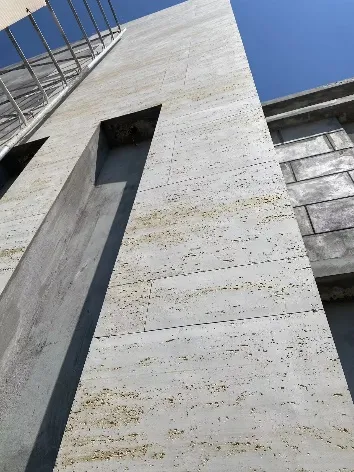
In construction, time is money—and MCM flexible cladding is designed to save both. Let's break down the efficiency boost:
Lightweight = Faster Installation: Imagine a team of installers hauling 50-pound stone slabs up scaffolding versus carrying 4-pound MCM panels by hand. The difference is night and day. MCM's low weight cuts down on the need for cranes and heavy lifting equipment, allowing crews to cover more ground in less time. On average, contractors report a 30-40% reduction in installation time compared to traditional stone cladding. For a mid-sized commercial building with 10,000 square feet of façade, that's weeks shaved off the project timeline—meaning earlier occupancy, happier clients, and fewer labor hours on the clock.
Flexibility = Fewer Wasted Materials: Traditional rigid panels often require precise, custom cuts to fit around windows, corners, or curved surfaces—leading to costly waste and delays. MCM panels, however, can be easily trimmed on-site with standard tools, and their flexibility lets them conform to uneven or curved substrates without cracking. This adaptability reduces material waste by up to 20%, a significant saving for projects operating on tight budgets.
Low Maintenance = Long-Term Savings: Efficiency isn't just about speed during construction—it's about minimizing upkeep over time. MCM cladding is resistant to UV rays, moisture, and corrosion, meaning it won't fade, warp, or require repainting for decades. Unlike wood or even some stone panels, it doesn't attract mold or pests, and cleaning is as simple as hosing it down. For property owners, this translates to lower maintenance costs and a façade that looks fresh for 25+ years—making it a smart investment for both commercial and residential building materials suppliers.
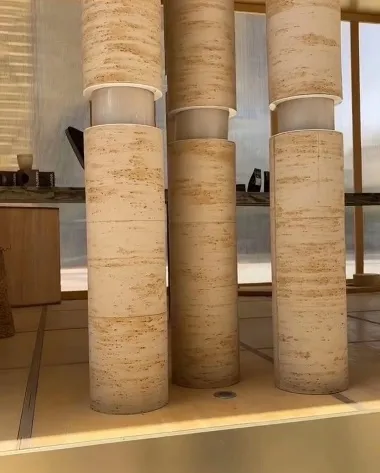
While speed and cost-savings are major draws, MCM flexible cladding offers a host of other advantages that make it stand out in the crowded market of architectural façade solutions. Let's explore a few:
Safety First: Fire Resistance and Durability
When it comes to public spaces like hospitals, schools, or shopping malls, fire safety is non-negotiable. MCM panels are often engineered with Class A fire ratings, meaning they resist ignition and slow the spread of flames—critical for protecting lives and meeting strict building codes. Compare that to traditional wood cladding or even some plastic-based options (like early-generation WPC wall panels), which can fuel fires and release toxic fumes. For example, class A fireproof CPL inorganic board for hospital and school solutions is a specialized product that pairs well with MCM cladding, creating a layered defense against fire in high-risk environments. It's no wonder that healthcare and education projects are increasingly turning to MCM as a core component of their safety strategy.
Aesthetics Without Compromise
Let's face it: even the most efficient material won't win over architects if it looks cheap. MCM flexible cladding nails the balance between form and function. Thanks to advanced printing and coating technologies, these panels can mimic the texture and color of natural stone (think granite, marble, or even rare Switzerland stone), wood grain, or metal—all with a finish that's consistent across the entire façade. Whether you're aiming for the rustic charm of a mountain lodge or the futuristic sheen of a tech headquarters, MCM panels deliver a high-end look without the high-end price tag of natural stone.
Sustainability: Building Greener
In an era where eco-conscious construction is no longer optional, MCM cladding shines. Its lightweight design reduces the need for heavy transportation (lowering carbon emissions), and many manufacturers use recycled materials in their cores. Additionally, MCM's durability means fewer replacements over time, cutting down on waste. Some panels even feature reflective coatings that reduce heat absorption, lowering a building's energy consumption by keeping interiors cooler in summer—an added bonus for LEED-certified projects.
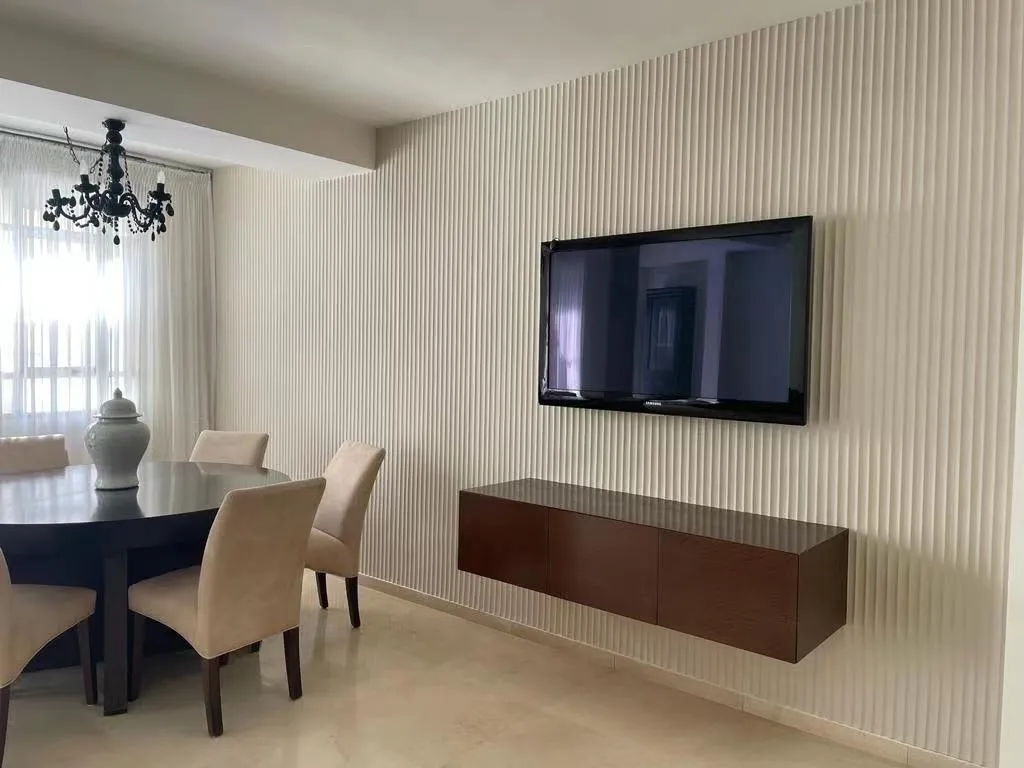
To truly understand MCM's value, let's compare it to other popular cladding options. The table below breaks down key factors like weight, installation time, durability, and cost—so you can see why MCM is becoming the preferred choice for forward-thinking builders:
| Material | Weight (per sq. ft) | Installation Time (1,000 sq. ft) | Fire Rating | Expected Lifespan | Cost (per sq. ft, installed) |
|---|---|---|---|---|---|
| MCM Flexible Cladding | 3–5 lbs | 2–3 days | Class A (varies by product) | 25–30 years | $25–$45 |
| Natural Granite Stone | 15–30 lbs | 5–7 days | Class A | 50+ years | $75–$150 |
| PU Stone Wall Panels | 8–12 lbs | 3–4 days | Class B (some Class A) | 15–20 years | $35–$60 |
| WPC Wall Panels | 7–10 lbs | 3–5 days | Class C (flammable) | 10–15 years | $20–$40 |
As the table shows, MCM flexible cladding offers a sweet spot: faster installation than natural stone, better fire safety than WPC, and a longer lifespan than PU stone—all at a competitive price point. For projects where time, budget, and aesthetics are equally important, it's hard to beat.

Numbers tell a story, but real projects bring it to life. Let's look at two examples where MCM flexible cladding transformed construction timelines and outcomes:
A leading residential building materials supplier in Saudi Arabia was tasked with cladding a 30-story apartment complex in Riyadh. The client wanted a stone-like exterior but was concerned about the weight of natural granite (which would require reinforcing the building's structure) and the tight 12-month construction deadline. The solution? MCM flexible cladding panels mimicking Saudi granite.
Result: The lightweight panels reduced structural reinforcement costs by 15%, and the installation team completed the 40,000 sq. ft façade in just 8 weeks—half the time originally estimated for natural stone. The building's residents now enjoy a durable, low-maintenance exterior that looks identical to real granite, and the developer saved over $200,000 in labor and material costs.
A hospital project in Dubai needed a façade that was fire-safe, easy to clean, and cheerful for young patients. The design called for curved walls and vibrant colors—challenges for rigid cladding materials. The contractor chose MCM panels with a Class A fire rating, paired with class a fireproof CPL inorganic board for interior walls, creating a cohesive, safe environment.
Result: The flexible MCM panels conformed to the building's curved architecture without cracking, and the Class A fire rating ensured compliance with Dubai's strict healthcare safety codes. The bright, stone-inspired finish has been a hit with patients and staff, and the hospital's maintenance team reports spending 70% less time cleaning the exterior compared to the previous facility's traditional brick walls.
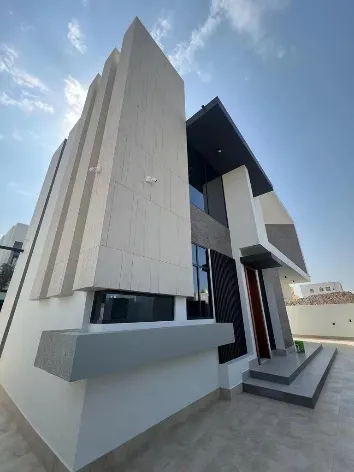
You might be thinking, "This sounds great, but is it complicated to install?" The answer is no—in fact, MCM flexible cladding is designed for ease of use, even for teams new to the material. Here's a quick overview of the process:
1. Prepare the Substrate: The wall or surface must be clean, dry, and flat. Minor imperfections can be smoothed with a leveling compound, but MCM's flexibility handles small bumps well.
2. Measure and Cut: Panels are cut to size on-site using standard tools like circular saws or shears. This allows for last-minute adjustments to fit around windows, vents, or custom architectural features.
3. Apply Adhesive: A high-strength, weather-resistant adhesive is applied to the back of the panels, which are then pressed onto the substrate. For added security on high-rise buildings, mechanical fasteners can be used at the panel edges.
4. Seal the Seams: Joints between panels are sealed with a flexible silicone caulk to prevent water intrusion, ensuring long-term durability.
Most manufacturers provide detailed installation guides, and many offer training for contractors new to MCM cladding. It's a straightforward process that doesn't require specialized equipment—another reason for its growing popularity.
As construction demands evolve, materials that can keep up with speed, safety, and sustainability will rise to the top. MCM flexible cladding stone wall panel solutions check all the boxes: they're efficient to install, durable, beautiful, and eco-friendly. Whether you're a commercial building materials supplier working on a skyscraper or a homeowner upgrading your house's exterior, MCM offers a way to build better without compromise.
So, the next time you're planning a project, ask yourself: Why settle for slow, heavy, or unsafe cladding when you can have it all with MCM? The future of construction is flexible—and it looks stunning.
Recommend Products











