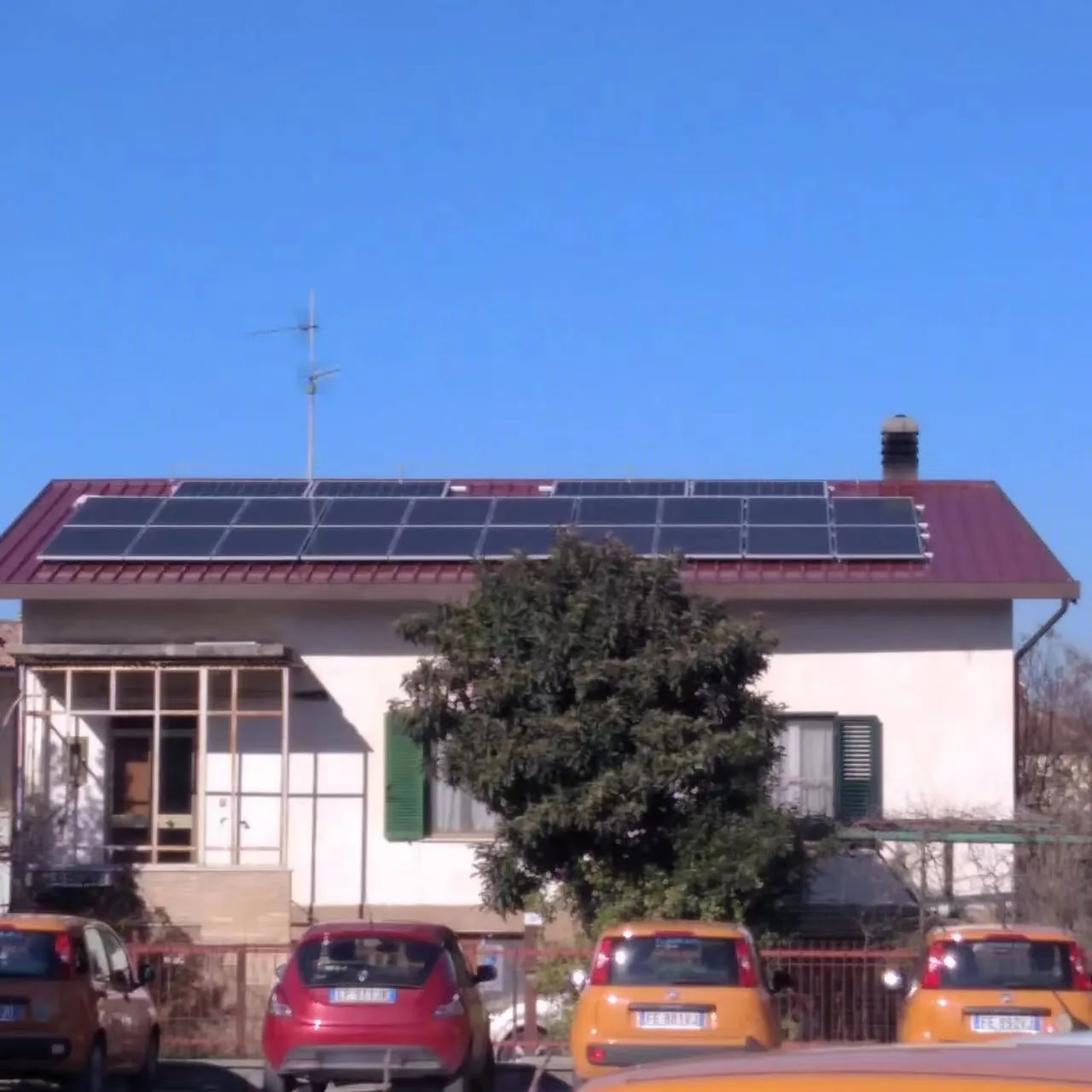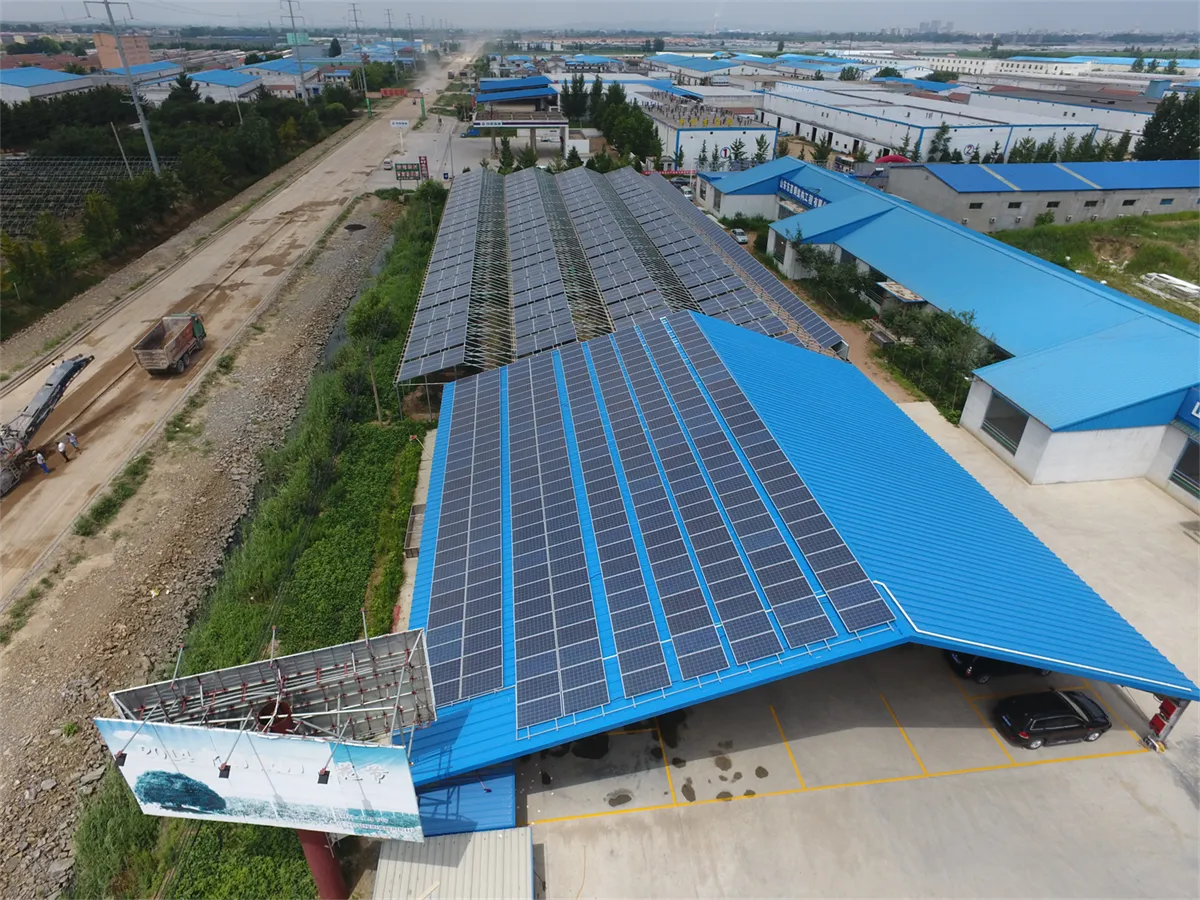
First off, let's talk about the obvious: looks. Hotels thrive on ambiance and design—whether it's a boutique hotel in Riyadh or a luxury resort in Jeddah, the exterior and rooftop spaces are part of the guest experience. Traditional solar panels, with their blue or silver hues and visible grids, can feel like an afterthought, clashing with carefully curated architectural styles. Black on black solar panels, though? They blend in seamlessly. With their all-black design—from the frame to the cells—they look sleek, modern, and intentional, almost like a design feature rather than a functional add-on. Imagine a hotel rooftop that doesn't scream "solar installation" but instead complements the building's façade, adding a touch of sophistication while quietly powering the property.
But it's not just about looks. These panels mean business when it comes to efficiency. The black color absorbs more sunlight, which translates to better energy production—critical for hotels that run 24/7, with lighting, AC, kitchen appliances, and guest amenities draining power round the clock. In sun-drenched regions like Saudi Arabia, where solar irradiance is off the charts, black on black panels can maximize energy capture even on hot days, thanks to advanced materials that reduce overheating. That means more power for less space, freeing up rooftop real estate for other uses like guest terraces or areas.
Durability is another win. Hotels can't afford frequent maintenance disruptions, and black on black panels are built to last. Many models come with reinforced frames and weather-resistant coatings, designed to withstand harsh desert conditions—sandstorms, extreme temperatures, and intense UV rays. For hotel managers, that means lower upkeep costs and peace of mind, knowing their solar investment will keep performing for decades.