
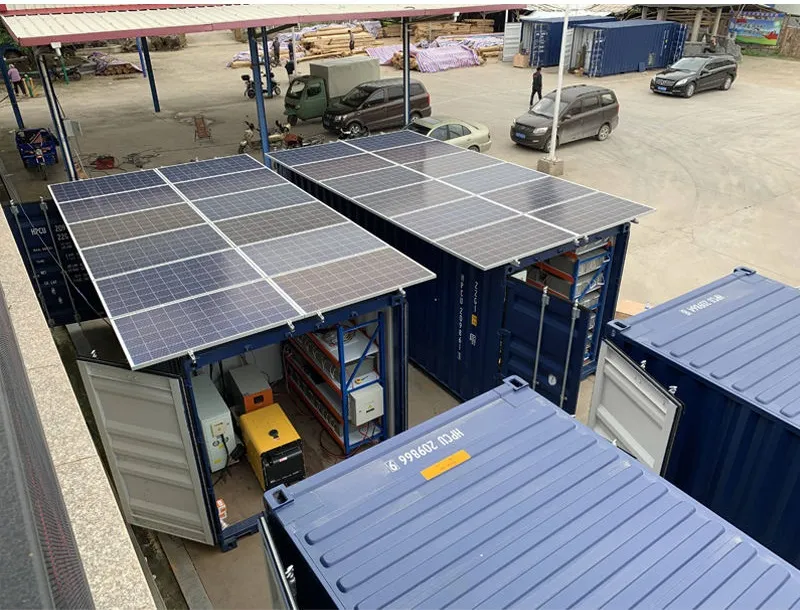
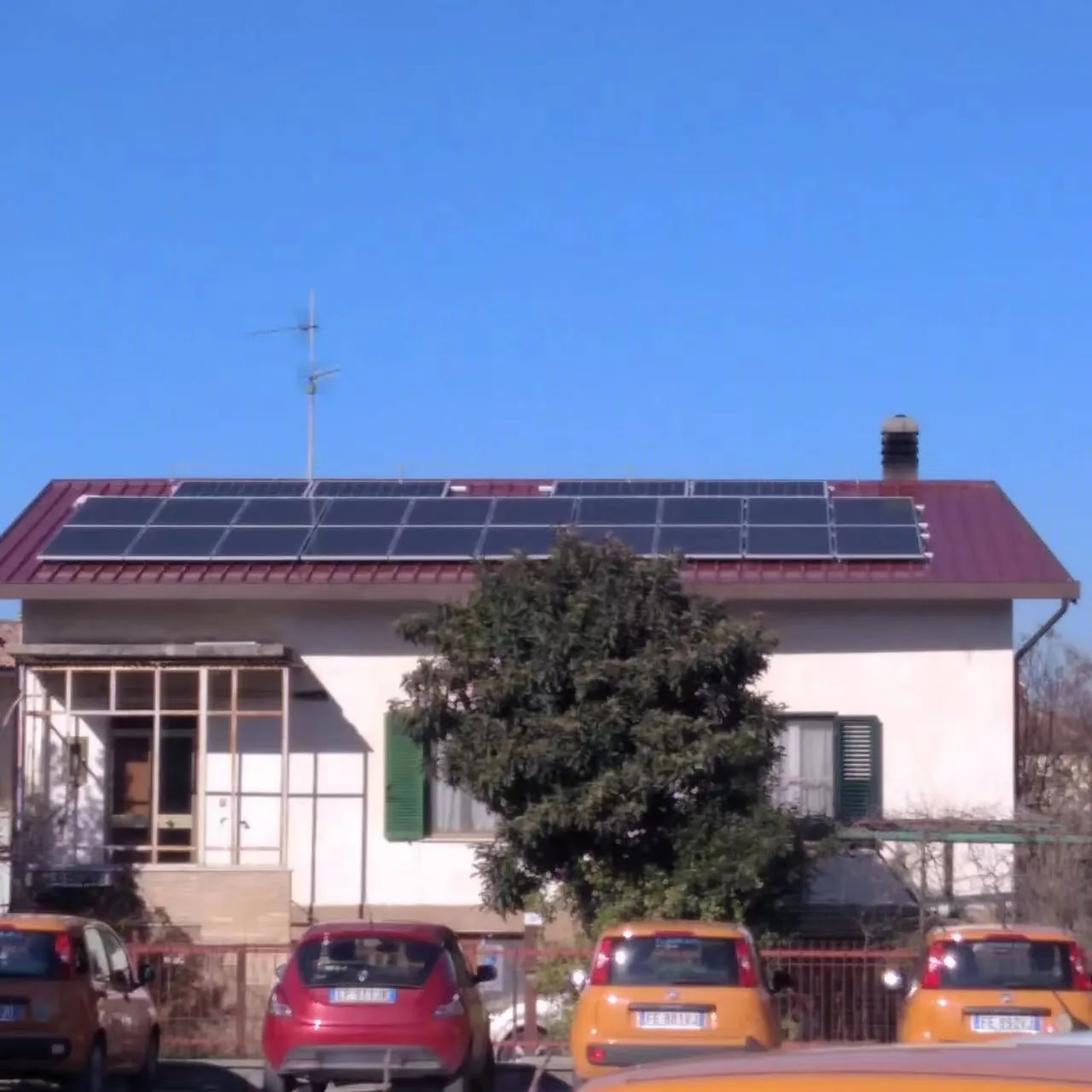
Drive through the suburbs of Jeddah or the new developments in Riyadh, and you'll start to notice a quiet revolution happening on rooftops. Gone are the days of clunky, blue-tinged solar panels that feel like an afterthought. Instead, more and more homes and businesses are opting for something sleeker: black on black solar panels. These aren't just a design choice—they're a statement about how Saudi Arabia is blending cutting-edge technology with local needs. And at the heart of this shift is a name that's become synonymous with trust in the region's building materials sector: Coloria.
As a leading building materials supplier with deep roots in Saudi Arabia, Coloria isn't just bringing global quality to local projects—it's redefining what "one-stop architectural solution" means for the modern era. Black on black solar panels are more than a product; they're a bridge between sustainability, aesthetics, and functionality. Let's dive into why these panels are becoming the go-to choice for Saudi homeowners, developers, and businesses, and how Coloria's unique mix of local expertise and global standards is making it all possible.
First things first: what makes black on black solar panels different? Traditional solar panels have a blue or silver backsheet with visible metal frames, which can stick out like a sore thumb on modern buildings. Black on black panels, though, are designed to blend in. The frame, backsheet, and even the cells themselves are all black, creating a seamless, uniform look that complements everything from minimalist villas to commercial high-rises.
But it's not just about looks. In a country where temperatures regularly soar above 40°C, performance matters—and these panels deliver. The all-black design isn't just for show; it often includes advanced cell technology that improves light absorption, even on cloudy days. Plus, the darker color helps dissipate heat more efficiently than traditional panels, which can lose efficiency when they overheat. For Saudi Arabia's harsh climate, that's a game-changer.
| Feature | Traditional Solar Panels | Black on Black Solar Panels |
|---|---|---|
| Aesthetics | Visible blue/silver backsheet; metal frames stand out | Uniform black design; blends with rooftops and architecture |
| Heat Dissipation | May overheat in high temperatures, reducing efficiency | Improved heat management; maintains efficiency in hot climates |
| Light Absorption | Standard cell technology; good performance in direct sunlight | Advanced cells for better absorption, even in low light |
| Resale Value Impact | Neutral or slightly negative (seen as "clunky") | Positive (viewed as modern, premium upgrade) |
Take, for example, a recent residential project in Dammam. The developer wanted to meet Saudi Arabia's growing demand for eco-friendly homes without sacrificing curb appeal. By choosing Coloria's black on black solar panels, they not only reduced the building's carbon footprint but also saw a 15% increase in inquiries from buyers specifically noting the "sleek, modern rooftop design." That's the power of combining function and form.
You could buy solar panels from anywhere in the world, but when it comes to installing them in Saudi Arabia, local knowledge matters. Coloria isn't just a supplier—they're a partner who understands the unique challenges of the Saudi market. With a dedicated (agency) in Saudi Arabia and decades of experience, they've learned what works (and what doesn't) in this part of the world.
Let's start with the climate. Saudi Arabia's intense sun, high temperatures, and occasional sandstorms can take a toll on solar equipment. Coloria's black on black panels are tested specifically for these conditions. They use durable, dust-resistant coatings that reduce maintenance needs, and their mounting systems are designed to withstand strong winds—critical for coastal areas like Jeddah or the windy plateaus of Riyadh.
Then there's the regulatory side. Saudi Arabia has strict standards for building materials, and navigating local permits and certifications can be a headache for developers. Coloria's team in Riyadh knows the ins and outs of these regulations, ensuring that every solar panel installation meets the Saudi Standards, Metrology and Quality Organization (SASO) requirements. This isn't just about compliance—it's about peace of mind for clients who don't have time to wade through red tape.
Local Insight: "We once worked with a developer in Al Khobar who tried to import solar panels from Europe," says a Coloria project manager. "The panels weren't rated for our heat index, and within six months, they started malfunctioning. We replaced them with our black on black models, which are tested to operate at 60°C without efficiency loss. Now, that developer is a repeat client."
Another key advantage? Coloria's network of local installers and technicians. Unlike international suppliers who might outsource installation to third parties, Coloria trains its own teams in Saudi Arabia. This means faster response times for maintenance, better quality control, and support in Arabic—no more lost-in-translation issues when explaining technical problems.
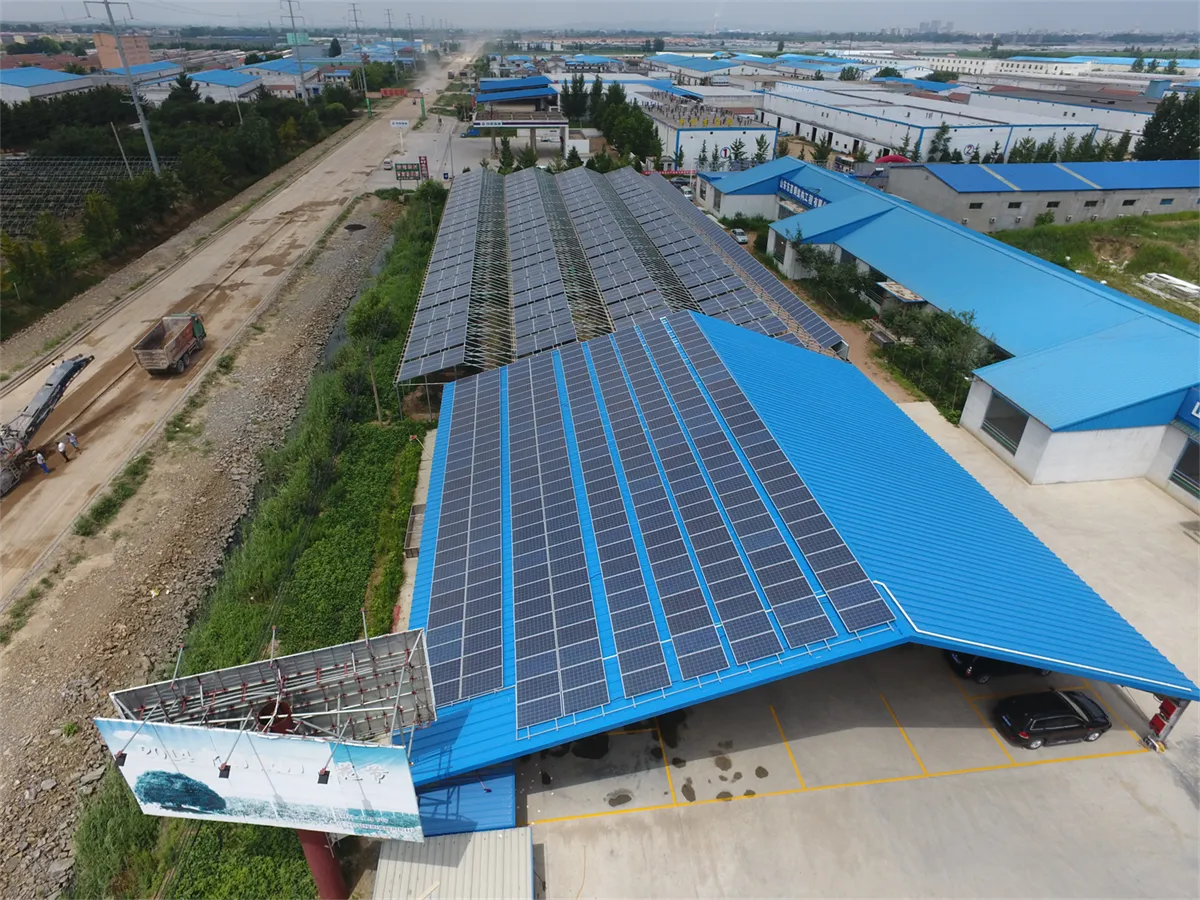
Local expertise is crucial, but Coloria doesn't stop there. As a one-stop architectural solution provider, they know that Saudi clients demand the best—and that means global standards. Coloria's black on black solar panels are sourced from top manufacturers in Europe and Asia, with rigorous quality checks at every step. From the silicon cells to the frame materials, nothing gets past Coloria's quality control team without meeting international certifications like TÜV, CE, and ISO 9001.
What does that mean for you? It means panels that last longer (up to 25 years with proper maintenance), higher energy output (some models achieve efficiency rates of over 22%), and warranties that actually mean something. Coloria stands behind its products with a 10-year product warranty and a 25-year performance guarantee—unheard of from many local suppliers.
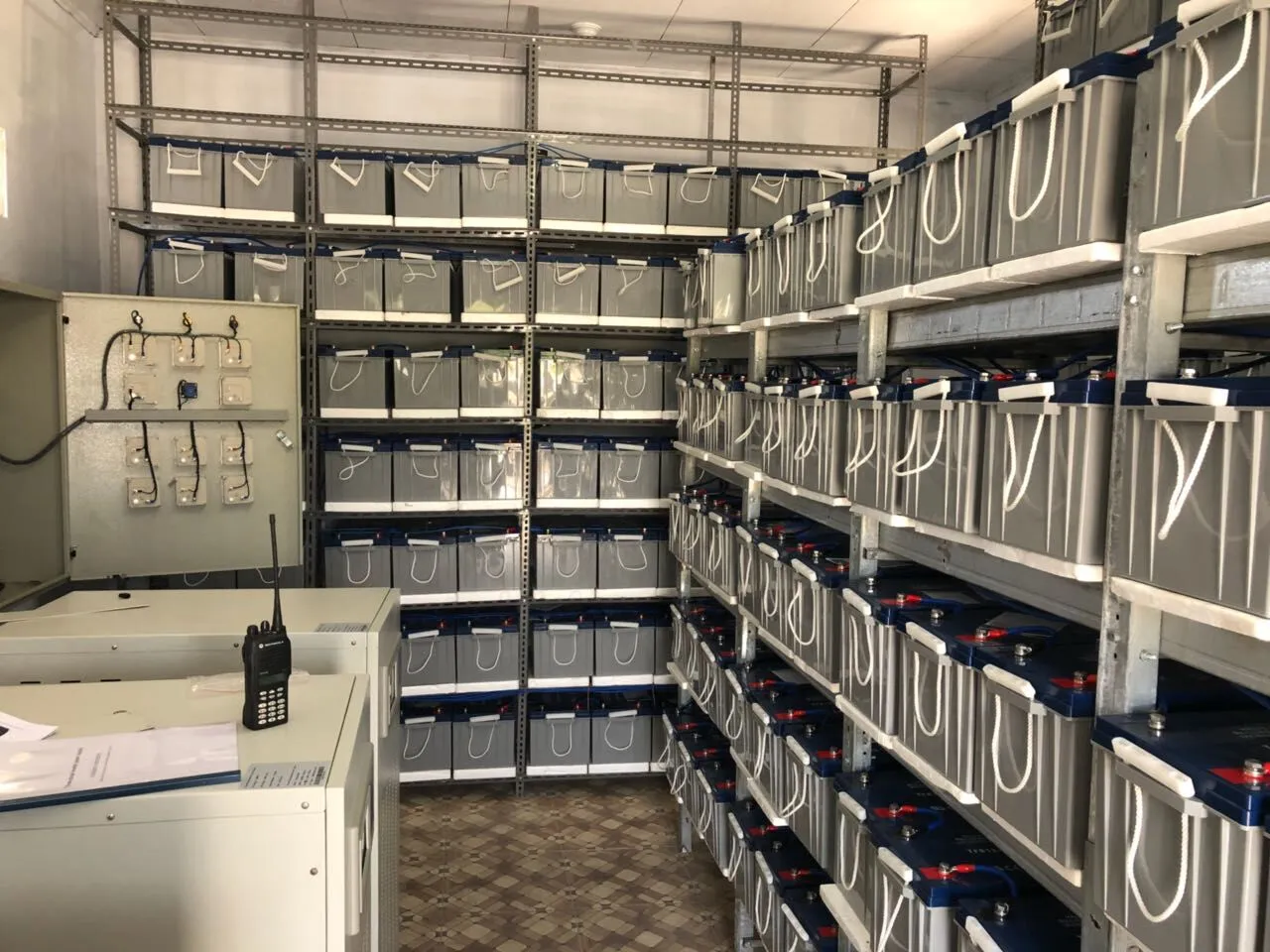
But global quality isn't just about the panels themselves. It's about the entire ecosystem. Coloria's solar solutions come with smart inverters, monitoring software, and energy storage options—all designed to work seamlessly together. For a commercial project in Riyadh's King Abdullah Financial District, Coloria provided not just solar panels but a complete energy management system that tracks usage in real time, helping the building reduce its electricity bills by 40% in the first year.
What Makes Coloria's Global Quality Stand Out:
Here's where Coloria truly shines: they're not just a solar panels supplier. They're a full-service building materials provider, which means they can handle every aspect of your project—from the solar panels on the roof to the flooring underfoot. Imagine building a new home or office: instead of coordinating with a solar company, a flooring supplier, a window installer, and a kitchen cabinet maker, you can work with Coloria for everything.
For example, a hotel developer in Mecca recently partnered with Coloria for a major renovation. Coloria supplied black on black solar panels for the roof, WPC wall panels for the guest rooms, custom kitchen cabinets for the restaurants, and even energy-efficient lighting for the common areas. The result? A cohesive, sustainable design that was delivered on time and under budget—all managed through a single point of contact.
This one-stop approach isn't just convenient; it's cost-effective. By bundling products and services, Coloria can offer better pricing than if you sourced each item separately. Plus, because they understand how different materials work together, there's less risk of compatibility issues. For instance, their solar panels are designed to pair perfectly with their energy-efficient windows, maximizing natural light while reducing heat gain—critical for keeping cooling costs low in Saudi Arabia.
Saudi Arabia's Vision 2030 isn't just about economic diversification—it's about building a sustainable future. Coloria is proud to be part of that vision, with a focus on sustainable products that reduce environmental impact. Black on black solar panels are a big part of this, but they're just the beginning.
Coloria's green (building materials) range includes everything from low-VOC paints to recycled flooring materials. For a residential complex in Jeddah, they supplied bamboo charcoal board wall panels, which not only look stylish but also absorb moisture and odors, improving indoor air quality. Pair that with solar panels, and you've got a home that's both eco-friendly and comfortable.
But sustainability isn't just about products—it's about practices. Coloria's Saudi operations prioritize local sourcing where possible, reducing carbon emissions from transportation. They also invest in training Saudi technicians, creating jobs and building a skilled workforce for the future. It's a holistic approach that aligns with Vision 2030's goals of localization and sustainability.
Vision 2030 in Action: "Our solar panels have helped over 500 Saudi homes reduce their reliance on fossil fuels," says Coloria's sustainability director. "That's not just good for the planet—it's good for Saudi's energy independence. We're proud to be part of a movement that's building a greener, more self-sufficient future for this country."
Numbers and features are important, but nothing tells the story like real-world examples. Let's look at two projects where Coloria's black on black solar panels made a difference:
Project 1: Luxury Villa in Riyadh
A high-end villa developer wanted to create a "smart home" that combined luxury with sustainability. Coloria supplied black on black solar panels, custom furniture, and energy-efficient appliances. The panels generate enough electricity to power the home's lighting, AC, and appliances, with excess energy stored in batteries for night use. The homeowner reported a 70% reduction in electricity bills, and the all-black design won praise from architectural critics for "seamlessly integrating green technology with luxury design."
Project 2: Commercial Office Building in Dammam
A multinational company wanted to reduce its carbon footprint and meet global ESG goals. Coloria installed a 500kW solar system using black on black panels, along with energy-efficient lighting and smart thermostats. The system generates over 800,000 kWh annually, saving the company over SAR 150,000 per year. Plus, the sleek rooftop design has become a talking point for clients, reinforcing the company's commitment to sustainability.
Saudi Arabia's solar market is booming, and for good reason. With some of the highest solar irradiance in the world, the country has the potential to be a global leader in renewable energy. The government is backing this with incentives like net metering, tax breaks for green buildings, and funding for solar projects. For homeowners and businesses, this means lower costs, higher property values, and a chance to be part of Saudi's sustainable future.
Black on black solar panels are at the forefront of this movement. They're not just a trend—they're a sign of how far the industry has come. As more people see the benefits—both aesthetic and financial—demand is only going to grow. And with Coloria's local expertise and global quality, there's never been a better time to invest.
So, whether you're building a new home, renovating an office, or developing a commercial project, consider the difference black on black solar panels can make. They're more than just a way to generate electricity—they're a statement about who you are and what you value. And with Coloria as your partner, you can trust that you're getting the best of both worlds: local knowledge that understands Saudi Arabia, and global quality that meets the highest standards.
In the end, it's simple: when you choose Coloria's black on black solar panels, you're not just buying a product—you're building a better future for Saudi Arabia. And that's a decision that shines as bright as the sun over the Kingdom.
Recommend Products












