
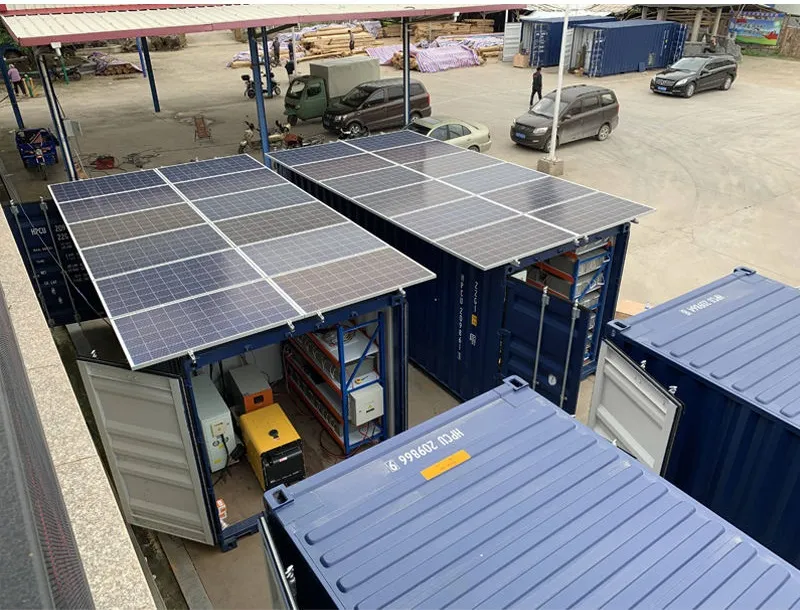
Solar technology keeps evolving in ways that feel almost magical, and bifacial solar panels are one of the most exciting developments to emerge. Imagine capturing sunlight not just from above, but from below too—it's like giving your solar panels a superpower. Whether you're a homeowner exploring energy options or a business planning a large-scale installation, understanding bifacial technology could completely transform how you think about solar energy.
Traditional solar panels have always been one-sided affairs—like listening to music with one earbud. You're getting energy, but missing half the potential. Bifacial panels flip that script completely. With photovoltaic cells on both front and back, these innovative panels grab sunlight coming directly from the sky plus whatever bounces back from the ground or nearby surfaces.
How does this actually work? Picture sunlight hitting a light-colored surface like concrete or sand. Instead of that light energy disappearing, it bounces right back up to the underside of the panel. Your solar installation becomes a sort of energy sandwich—catching rays coming and going. It's this clever design that allows for distributed solar power systems to be significantly more effective.
Surprising Fact: Researchers discovered that during snowy winters, bifacial panels often outperform traditional models because snow acts like a giant reflector, bouncing sunlight onto the panel's backside while also sliding off easier thanks to the panel design.
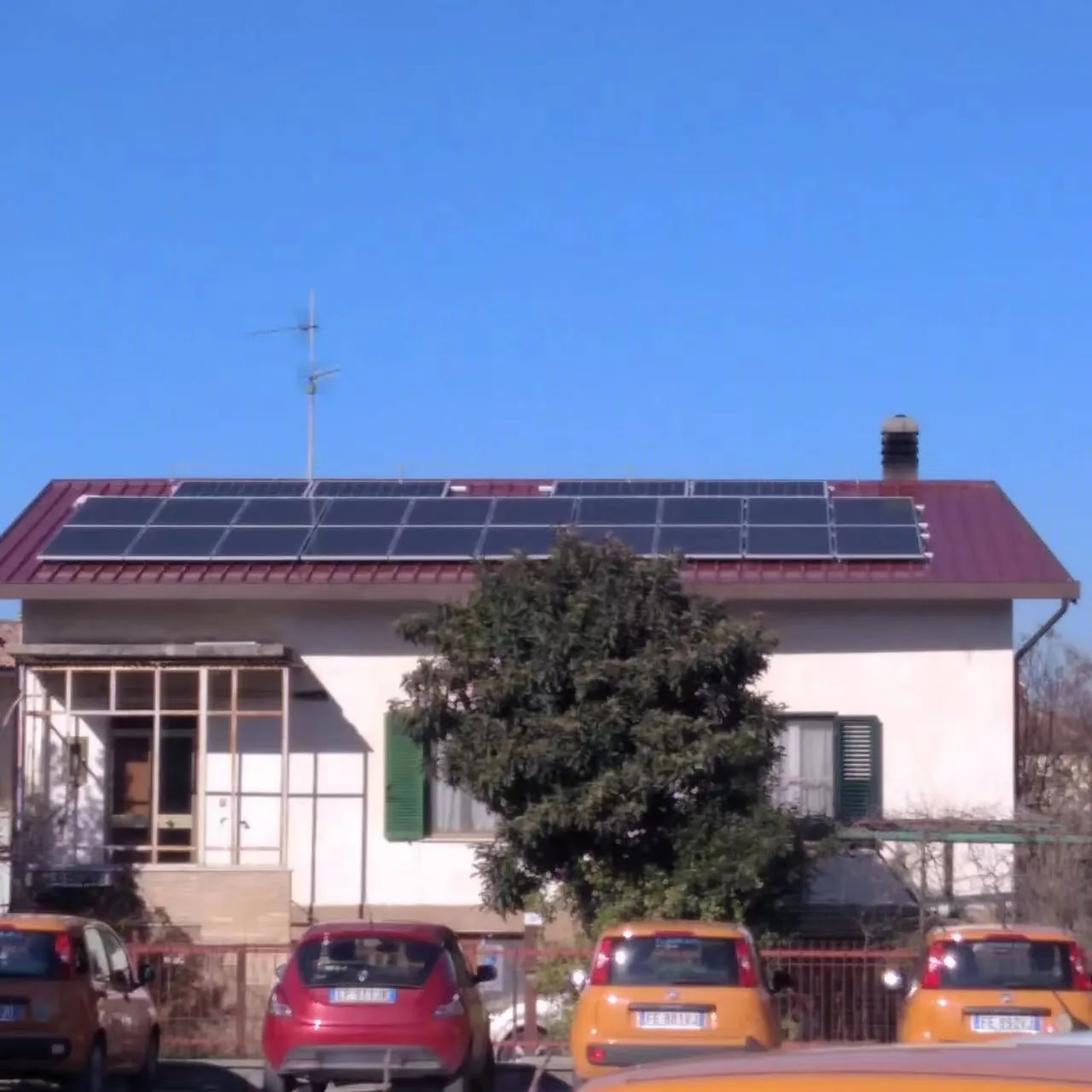
Think of bifacial panels like sponges designed to absorb every possible drop of sunlight. Real-world studies show they outperform traditional panels by 11-27% depending on the installation environment. That's not just a minor upgrade—it's like swapping a bicycle for a motorcycle.
With their sleek glass-on-glass construction and minimal framing, bifacial panels have a modern, almost futuristic look. The mounting systems are designed differently too—less bulky hardware means cleaner lines and less shading on the backside where it counts.
Double-glass construction gives these panels superhero-level durability. Whether it's golf ball-sized hail or hurricane-force winds, bifacial installations often fare better than traditional panels. They're the armored tanks of solar tech.
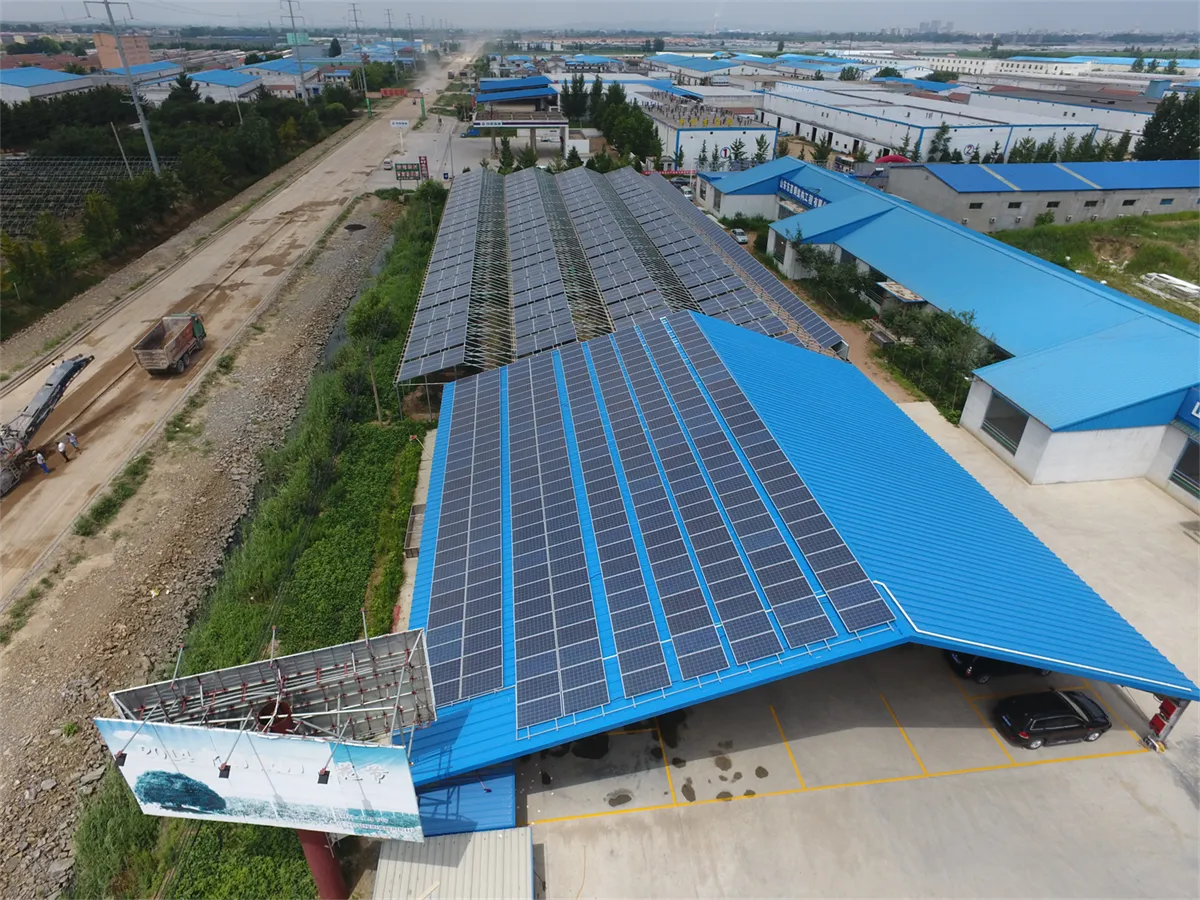
Let's be honest—not every home is right for these panels. If you've got a typical roof-mounted system, bifacial panels don't get their moment to shine (literally). But if you're considering ground-mounted solar or adding a solar pergola in your backyard, suddenly these panels become superstars. That pergola isn't just shade anymore—it's a power generator!
Handy Tip: For homeowners, the decision often comes down to surface color. If you've got a gravel yard or light-colored patio, you're sitting on a bifacial goldmine. Dark asphalt? Stick with traditional panels.
This is where bifacial technology absolutely sings. Warehouse roofs, solar farms, and any elevated installation become ideal settings. Picture rows of panels mounted high enough off the ground to let sunlight splash onto their undersides from dawn till dusk.
For businesses, this could mean serious energy bill savings. One manufacturing plant in Ohio switched to bifacial and saw their energy generation jump so much they actually became energy net-positive during summer months.
Okay, let's address the elephant in the room: bifacial panels do cost more upfront. You're looking at about 10-15% higher initial investment compared to standard panels. But here's what installers often forget to mention:
The installation dance matters too. Installers need to rethink spacing between panels and mounting heights to maximize that reflected light capture. It requires more expertise than your average solar setup, so choose installers with specific bifacial experience.
Pro Insight: The optimal height and tilt angles aren't just technical details—they're your secret weapons for maximizing ROI. Taking extra time with this setup makes all the difference.
Let's make this personal. Here's a quick gut-check to see if you should pursue this technology:
YES if...
you have ground installation space or specialized structures like pergolas
YES if...
your project is commercial-scale with proper mounting clearance
YES if...
you're prioritizing long-term efficiency over initial cost
Probably NOT if...
you're doing a standard rooftop residential install
Probably NOT if...
your ground surface is dark asphalt with no reflection
While not a magic solution for every solar project, bifacial technology represents a fascinating direction in renewable energy. As installation costs continue to decrease and the technology improves, these double-sided sun-catchers might soon become the industry standard rather than the exception.
Recommend Products












