


The Silent Revolution on Rooftops and Fields
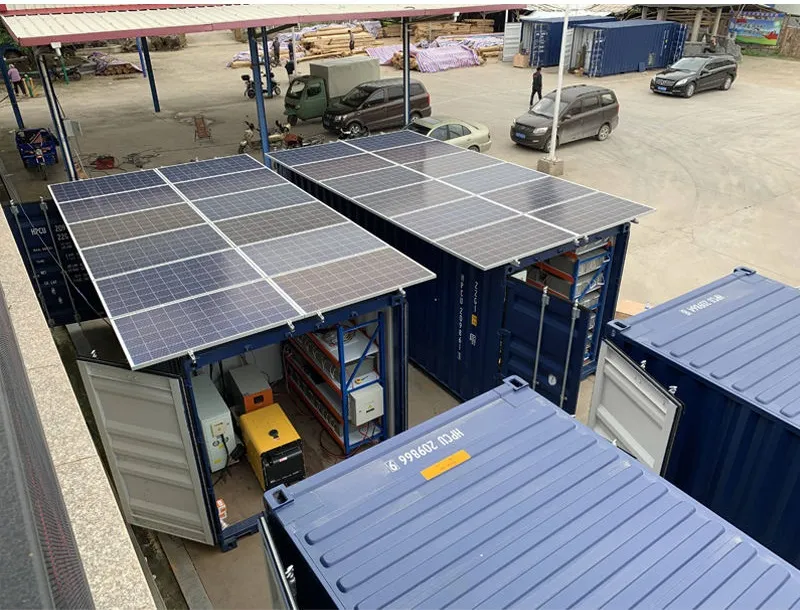
Picture this: solar panels soaking up sunlight from both sides like a plant turning its leaves toward the sun. Sounds almost too good to be true? Well, bifacial solar technology has quietly evolved from lab curiosity to commercial reality, and it's reshaping how we harness sunlight. Unlike those traditional panels laying flat like pancakes on a griddle, bifacial modules capture sunlight bouncing off the ground - a game-changer that boosts output without requiring extra space.
Here's the kicker - when deployed over reflective surfaces like white gravel or sand, these double-sided panels can generate up to 27% more energy than their single-sided cousins. That's like getting a quarter more juice from the same rooftop! Installers from Arizona to Australia are waking up to this potential, turning once-marginal projects into profitable ventures.
How the Magic Works
The See-Through Advantage
Bifacial panels ditch the opaque backing, using transparent materials that let sunlight pass through to the other side. This creates a "light sandwich" effect where photons bounce between the ground and panel underside.
Real-World Amplifiers
Performance varies wildly based on what's underneath:
- ️ Snow fields: Up to 35% boost
- ️ Sand/gravel: 20-30% boost
- Grass fields: 15-20% boost
- Dark asphalt: Only 5-10% gain
"You'd think these high-tech panels need special handling," says Miguel Santos, a solar installer in Nevada, "but honestly? They're as straightforward to mount as regular panels, just with smarter positioning. We're now training crews to evaluate ground reflectivity before quoting projects - something we never considered before."
The Economics That Make Developers Salivate
The sticker shock fades fast when developers run the numbers. Though bifacial panels cost about 10-15% more upfront, the energy math tells a different story. Over a 25-year lifespan, that initial premium shrinks to near irrelevance when balanced against decades of extra kilowatt-hours. Large-scale solar farms particularly benefit - just a 5% output increase can tip marginal projects into profitable territory.
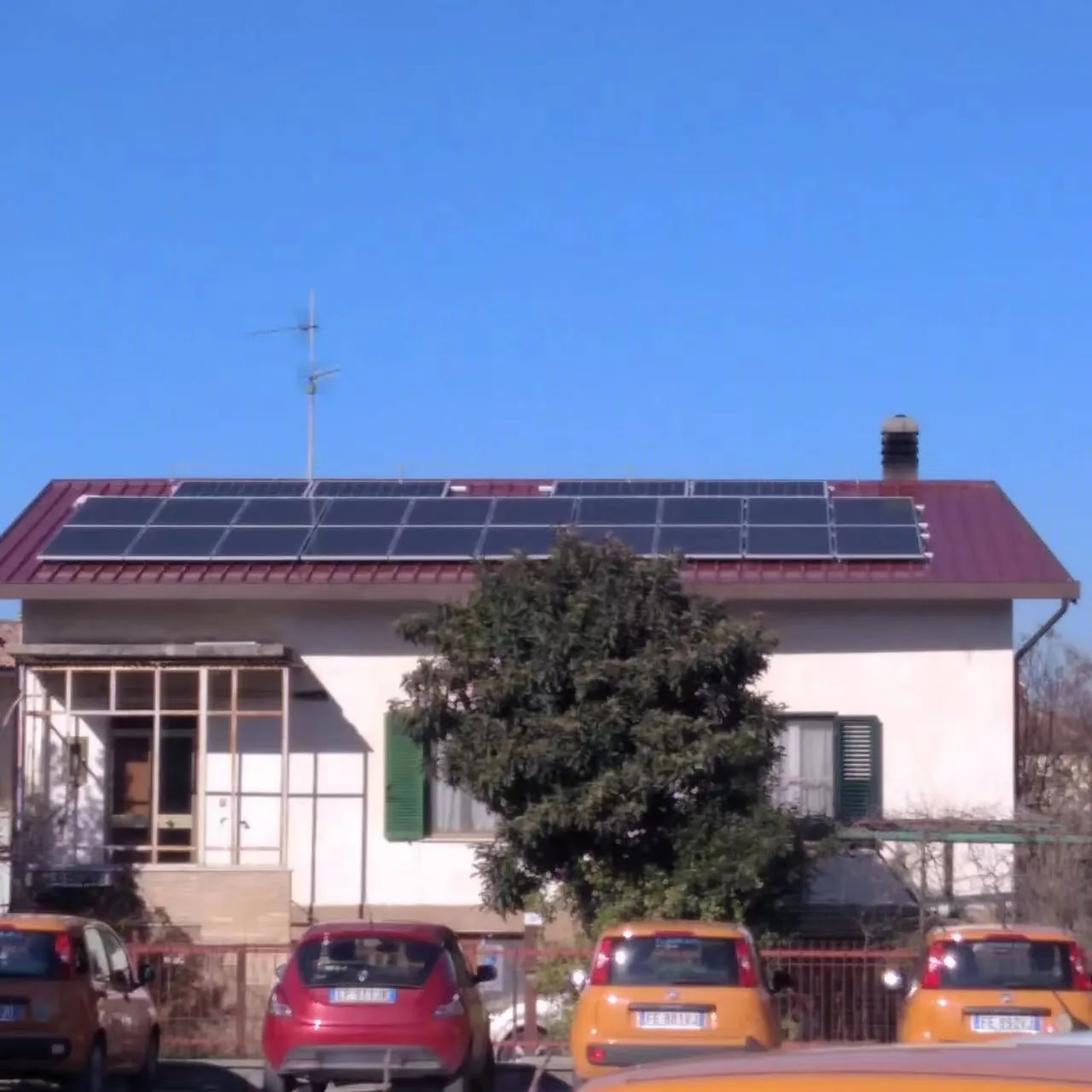
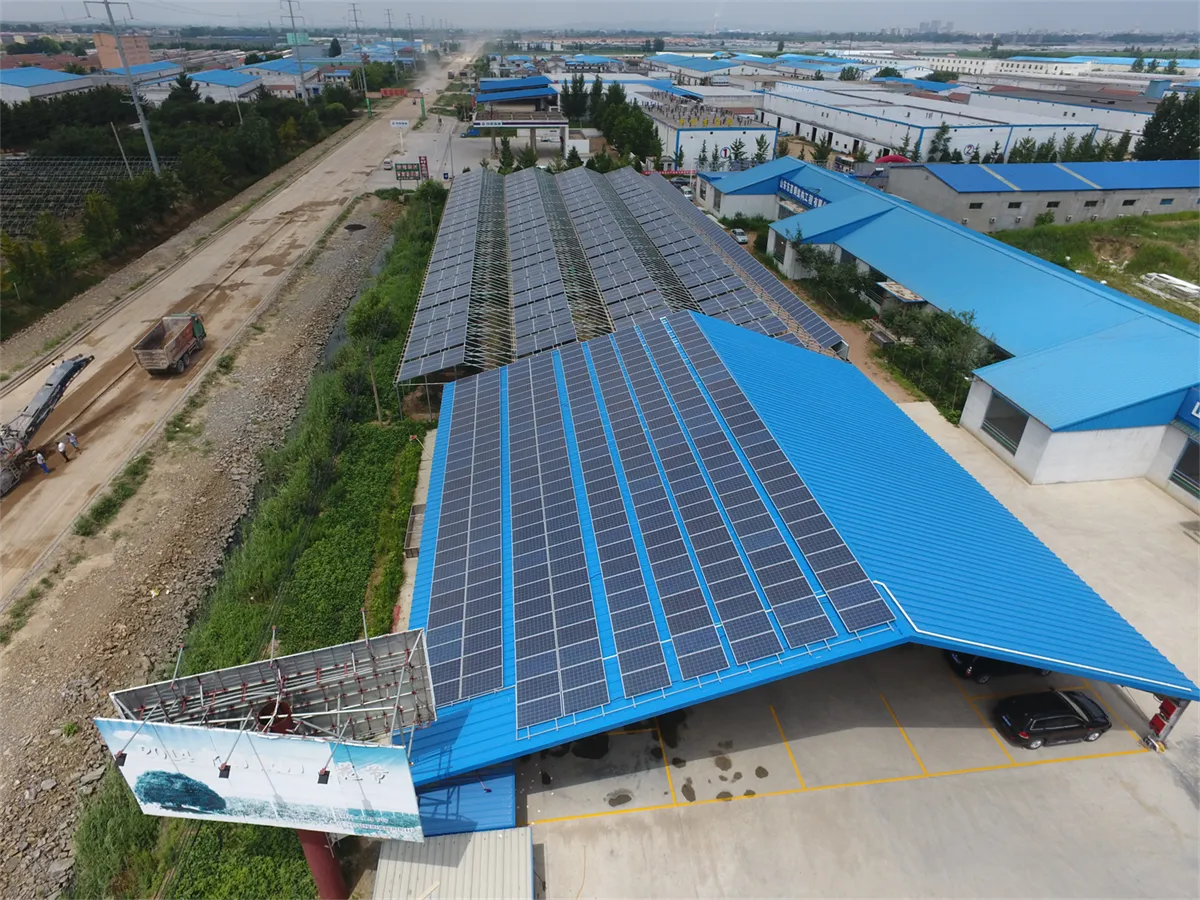
But here's where distributed solar power systems really shine (pun intended). Rooftops with light-colored membranes or elevated parking canopies over reflective surfaces get outsized benefits. "We're seeing commercial building owners achieve payback 2 years faster than with traditional panels," notes energy consultant Lisa Chong. "That's getting CFOs' attention."
Market Surge: From Novelty to Necessity
What changed? Three critical shifts:
- The manufacturing cost curve bent steeply as production scaled from gigawatts to terawatts
- Tracking systems got smarter , dynamically adjusting panel angles to maximize bifacial gains
- Building codes evolved to credit the technology's unique advantages
Regional variations tell an interesting story too. While China dominates production, adoption patterns differ:
- Middle East: 72% of new utility-scale projects specify bifacial
- Europe: Tax incentives accelerating rooftop adoption
- North America: Rapid growth in commercial sector lagging utility scale
The Roadblocks Still Ahead
Before declaring total victory, some stubborn challenges remain. Performance modeling remains tricky - unlike traditional panels with predictable outputs, bifacial yields depend on constantly changing environmental factors. Ground moisture, seasonal vegetation changes, even cloud cover patterns affect the albedo (reflectivity) bonus.
Maintenance presents another wrinkle. With both sides gathering grime, specialized cleaning protocols add 10-15% to operational costs. "It's not double the cleaning effort," clarifies facility manager Derek Zhao, "but it does require different techniques. Spray-and-pray doesn't cut it."
Meanwhile, fire marshals still debate safety protocols for panels that expose electrical components. Standards bodies are racing to establish testing protocols that reflect real-world installations rather than laboratory conditions.
Groundbreaking Applications Emerging
Beyond traditional solar farms, clever implementations are proving bifacial tech's flexibility:
Agricultural Symbiosis
Elevated arrays over crops create win-wins - panels generate power while partial shade reduces irrigation needs. Early results from strawberry farms show 15% water savings alongside energy production.
Highway Integration
Sound barriers equipped with vertically mounted bifacial panels capture morning and afternoon sun simultaneously. Germany's autobahn pilot projects show 40% higher output per linear foot than conventional installations.
The vertical mounting option opens unconventional spaces - building facades, parking barriers, even fence lines can now become power generators without sacrificing real estate.
What's Next: The Horizon Beckons
Material science breakthroughs loom large. Next-gen modules will incorporate:
- Spectrum-splitting designs to harvest infrared/UV wavelengths
- Self-cleaning nano-coatings on both surfaces
- Integrated micro-inverters designed specifically for dual input
Meanwhile, artificial intelligence enters the scene. Machine learning models that predict ground conditions and sun angles will optimize panel tilting in real-time. Early test sites show an additional 8-12% improvement over static optimization.
Financial innovation keeps pace too. "Bifacial performance data is enabling new insurance products and warranty structures," explains solar financier Anita Desai. "We can now offer lower interest rates for projects using validated efficiency-boosting techniques."
The Bottom Line
Bifacial technology represents more than incremental improvement - it fundamentally alters solar economics by expanding energy capture beyond panel surface area. The industry is crossing the chasm from early adoption to mainstream implementation, driven by compelling ROI in diverse settings. While challenges remain, market indicators point toward bifacial modules becoming the default choice for large installations by 2030, cementing solar's position as the world's lowest-cost energy source.
The transition reflects a broader shift in renewable energy: no longer satisfied with marginal gains, innovators pursue technologies that transform constraints into opportunities. Those solar panels working double duty today? They're just the beginning.










