
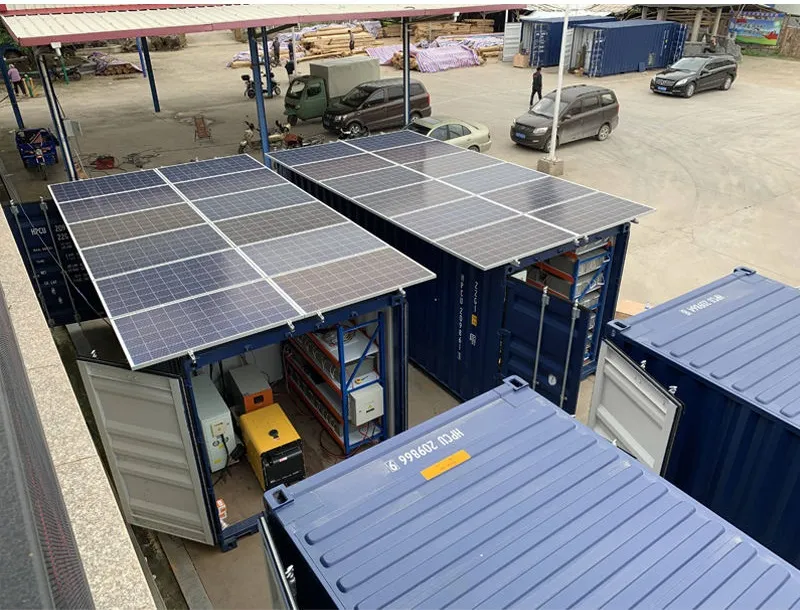
Picture a solar panel that harvests sunlight from both sides—like a plant turning its leaves toward the sun while catching extra photons bouncing off the ground beneath it. That's the magic of photovoltaic technology , specifically bifacial solar panels. Unlike traditional monofacial panels that only use their front surface, these double-sided wonders capture reflected light from surfaces below, boosting energy production by up to 30%.
Imagine solar farms where panels aren't just flat surfaces but three-dimensional energy harvesters. Roads, parking lots, and even agricultural fields become power generators as sunlight bounces off concrete, gravel, or grass. The innovation lies not just in solar energy capture but in transforming ordinary surfaces into reflective allies against climate change.
Bifacial panels operate on a simple yet brilliant principle: light capture isn't limited to direct sunlight. The transparent backsheet allows photons reflected from the ground to pass through and excite electrons in the silicon cells. This dual-sided approach makes them ideal for:
Field tests in desert installations show 27% higher outputs compared to standard panels when installed over light-colored sand. Even urban settings with concrete surfaces see significant gains—proving that innovation often means seeing the potential in what's already beneath our feet.
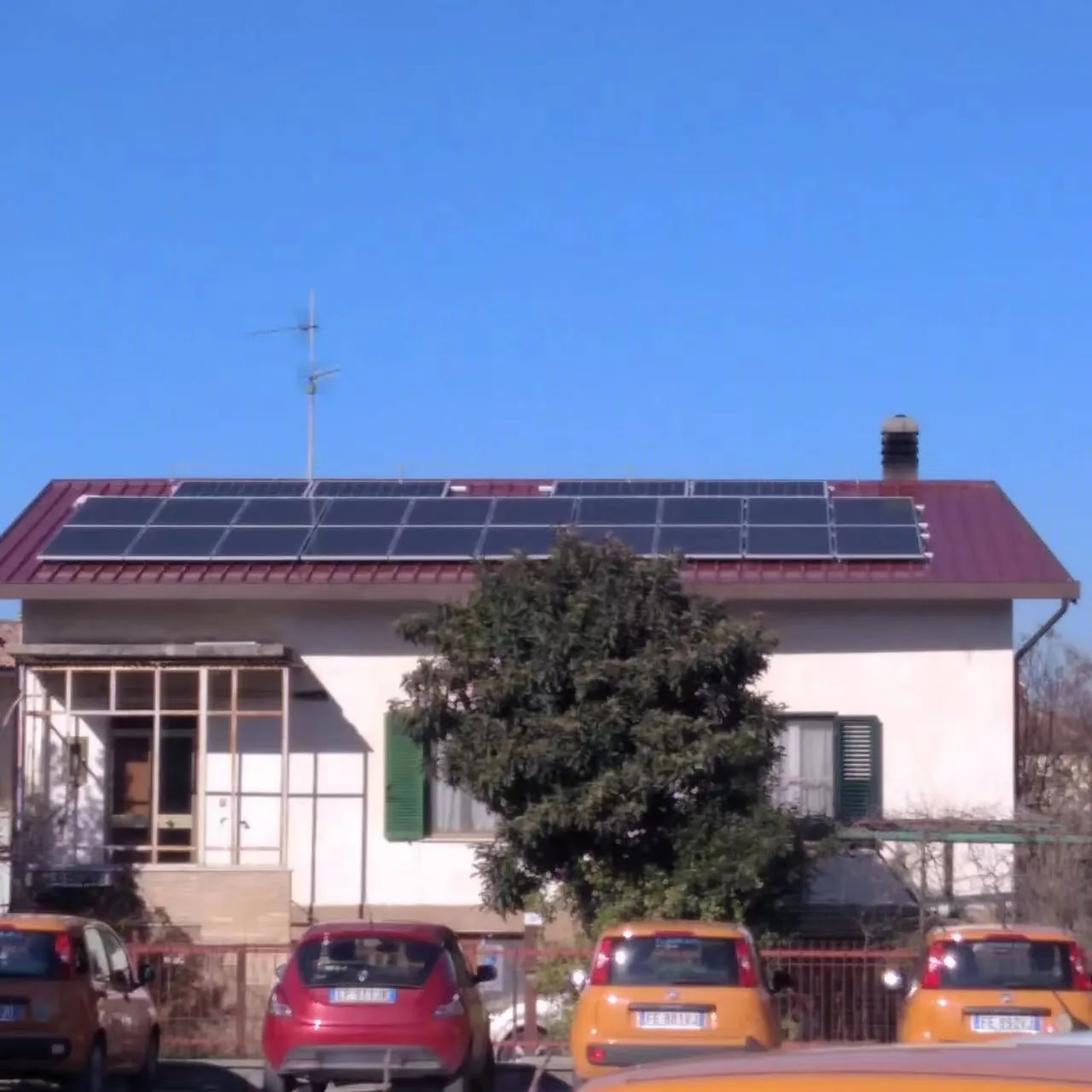
Bifacial modules aren't just about efficiency; they're transforming building aesthetics. Architects now integrate them as:
The technology blurs lines between infrastructure and art, where functional solar surfaces create mesmerizing light patterns on surrounding spaces. A parking garage in Copenhagen uses bifacial panels as sculptural elements that cast intricate shadows while powering EV charging stations—turning mundane structures into conversation pieces about renewable energy .
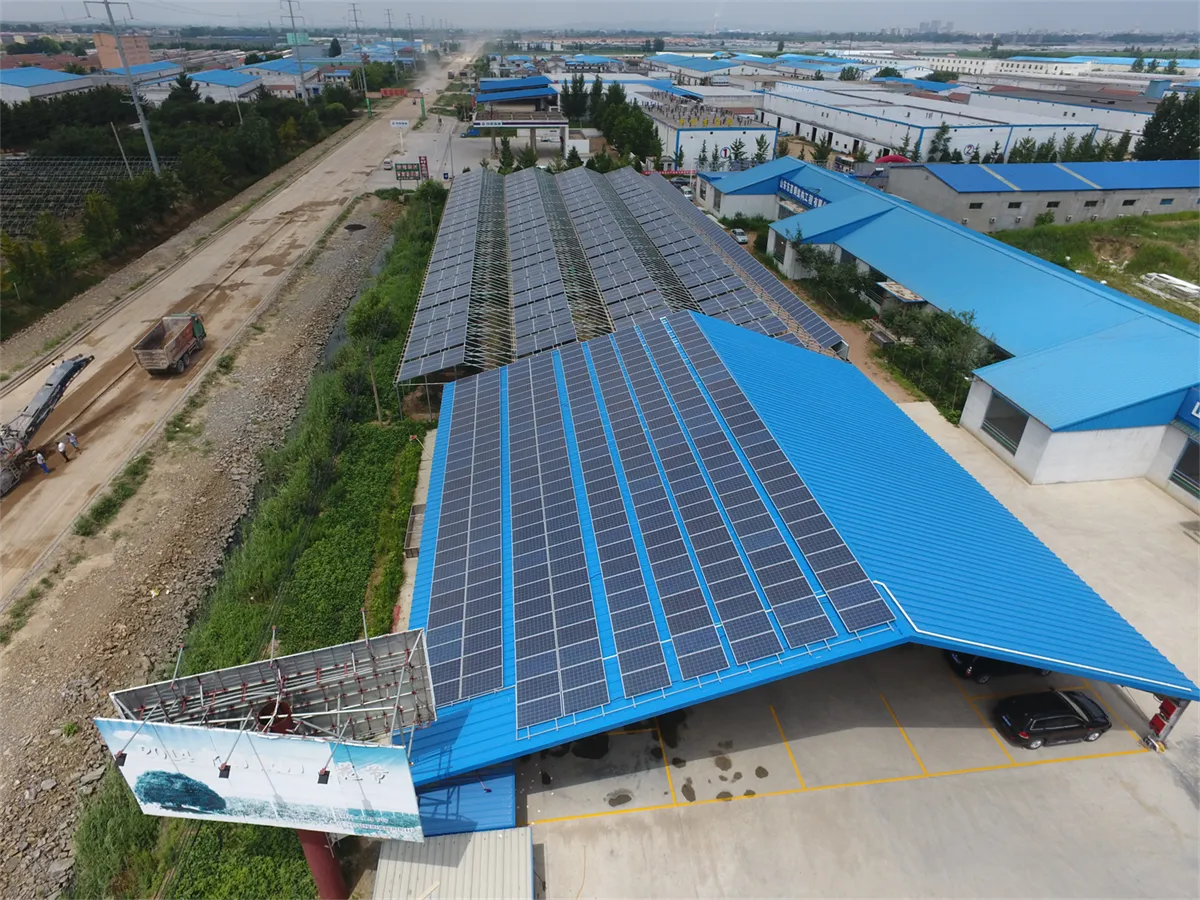
While groundbreaking, bifacial technology faces hurdles requiring smart solutions:
Innovative responses are emerging. Robotic cleaners maintain reflectivity, while new racking systems simplify elevated installations. The economics improve dramatically in large-scale deployments where the lifetime energy boost offsets upfront costs—a critical factor for utility-scale solar panels projects.
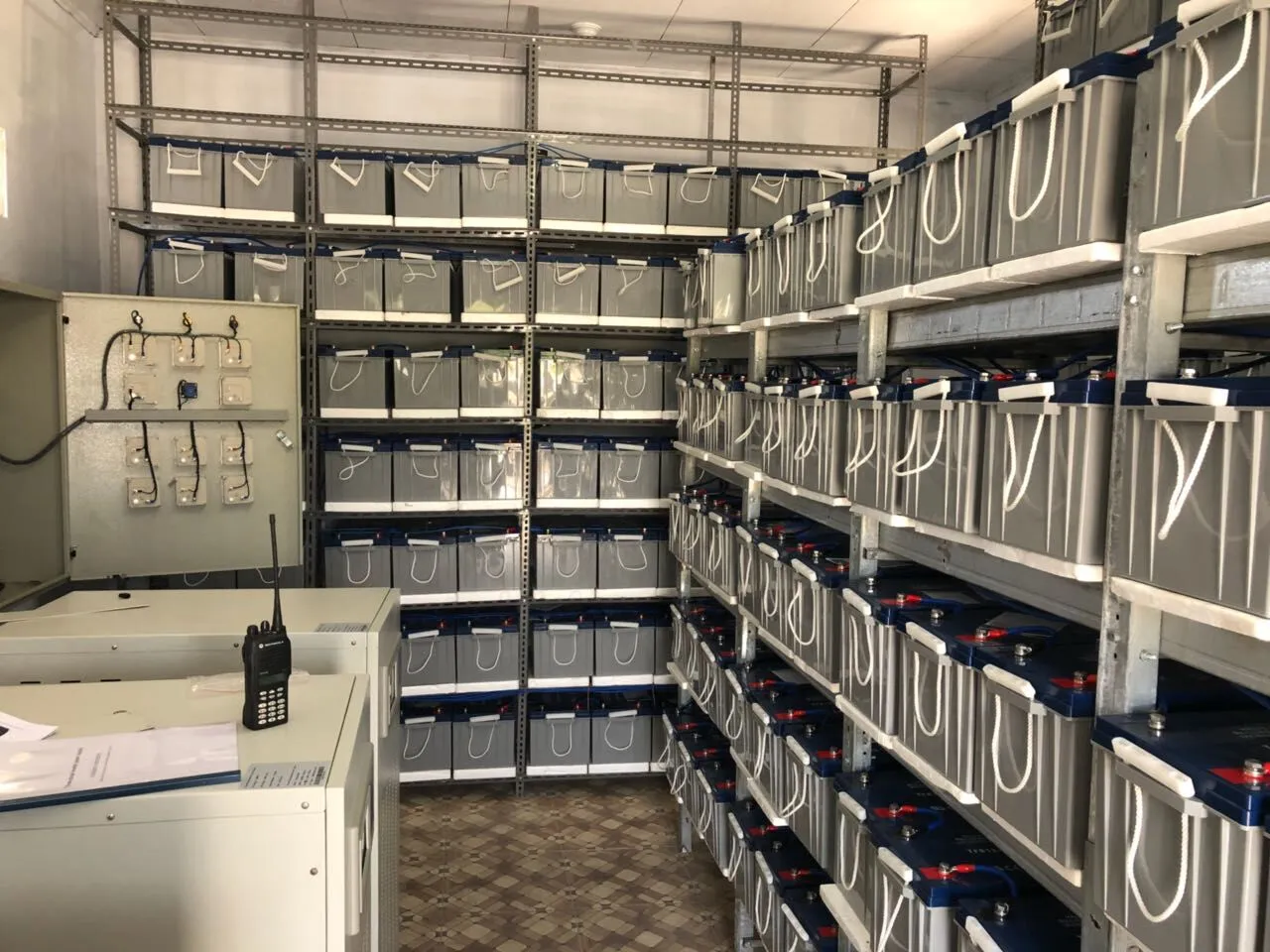
Beyond technology, bifacial panels represent a psychological shift in our relationship with energy:
Farmers adopting agrivoltaics share stories of panels protecting crops from hail while generating income. Schools use installations as science labs where kids track how weather affects reflection. By giving people a tangible connection to energy creation, bifacial technology builds cultural acceptance alongside kilowatts.
The bifacial revolution is just beginning. Research breakthroughs hint at tomorrow's possibilities:
Picture a future where every highway, parking lot, and public space actively contributes to our energy grid. Where buildings produce more energy than they consume because we designed them as three-dimensional solar collectors. Bifacial technology is the bridge to that vision—a pragmatic yet poetic solution to our energy needs that turns reflection into action.
As we embrace this dual-sided innovation, we rediscover a fundamental truth: progress often comes from seeing what others miss. Bifacial panels ask us to value not just direct resources but reflected opportunities—reminding us that the clean energy transition requires both looking ahead and noticing what's beneath our feet.
Recommend Products












