


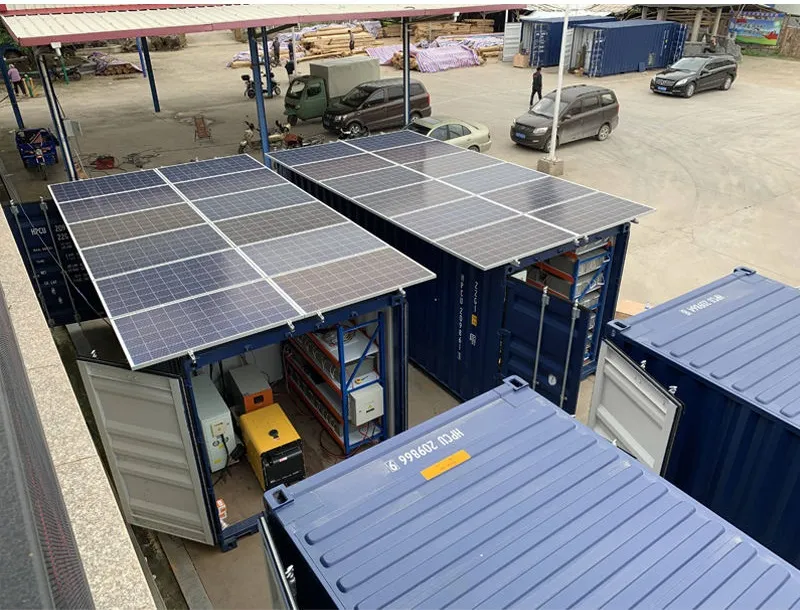
Hey there, solar enthusiast! If you're diving into the world of bifacial solar panels , you're already one step ahead in the renewable energy game. But here's the thing – these double-sided powerhouses aren't just "set it and forget it" systems. They need some thoughtful planning, especially when it comes to two critical factors: ground clearance and reflectance. Get these right, and you'll be harvesting sunlight from both sides like a pro. Mess them up? Well, you might as well be throwing money at regular panels.
The Ground Clearance Sweet Spot: More Than Just Empty Space
Let's talk about why the space under your panels isn't just dead zone. With bifacial panels, that gap is actually part of your energy-generating system. It's where reflected light bounces back to hit the panel's underside. Too low, and you're blocking precious photons. Too high, and you're creating structural and cost headaches.
The 1.5-Meter Rule (And When to Break It)
Most installers will tell you: "Aim for about 1.5 meters (5 feet) of clearance." That's a good starting point, but it's not set in stone. Think of your panels like sunflowers – they need room to "breathe" and catch light from angles you might not expect. Here's how to dial in your perfect clearance:
Terrain Tango: Matching Clearance to Your Landscape
Flat desert? Lush grassland? Rocky terrain? Your landscape isn't just background scenery – it's a co-star in your energy production:
- Sloped Sites: Tilt your racking system to match the terrain slope, keeping clearance consistent
- Uneven Ground: Use adjustable legs or foundations – it's worth the extra installation time
- High-Wind Zones: Lower panels might need structural reinforcements
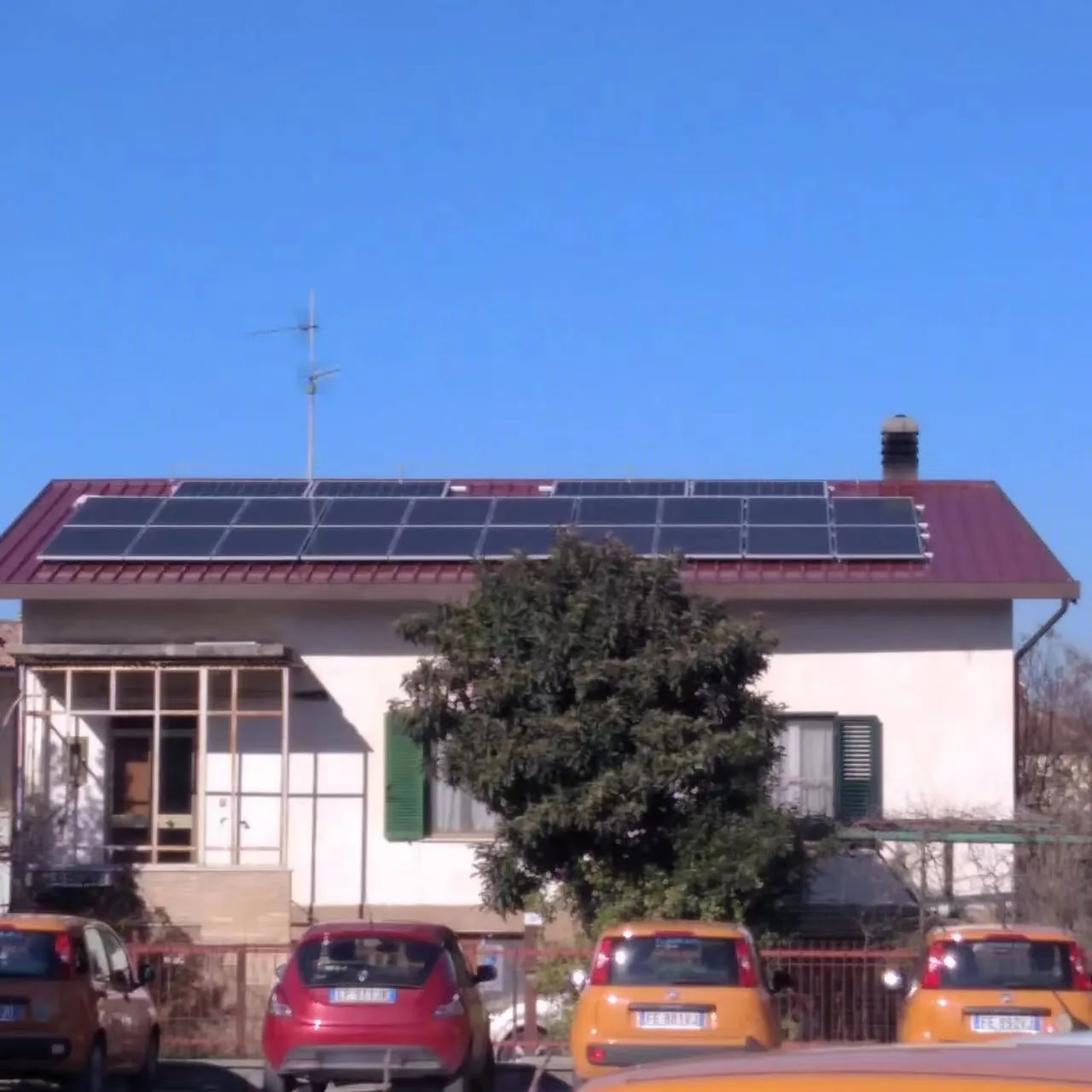
Reflectance: Turning Your Dirt Into a Mirror
Remember that solar panel solutions aren't just about the hardware – what's beneath them matters enormously. The ground is essentially your free light amplifier. But not all surfaces are created equal:
| Surface Type | Reflectance (Albedo) | Energy Gain Potential |
|---|---|---|
| Fresh Snow | 0.90 | ★★★★★ |
| White Gravel | 0.65 | ★★★★☆ |
| Light Concrete | 0.55 | ★★★☆☆ |
| Grass/Landscaping | 0.25 | ★★☆☆☆ |
Affordable Reflectance Boosters
You don't need a NASA-grade surface to get results. These budget-friendly options make a real difference:
- Crushed limestone: Cheap, widely available, and reflects about 50% of light
- White geotextile fabric: Stops weeds while bouncing back photons
- Light-colored mulch: Surprisingly effective if you need vegetation control
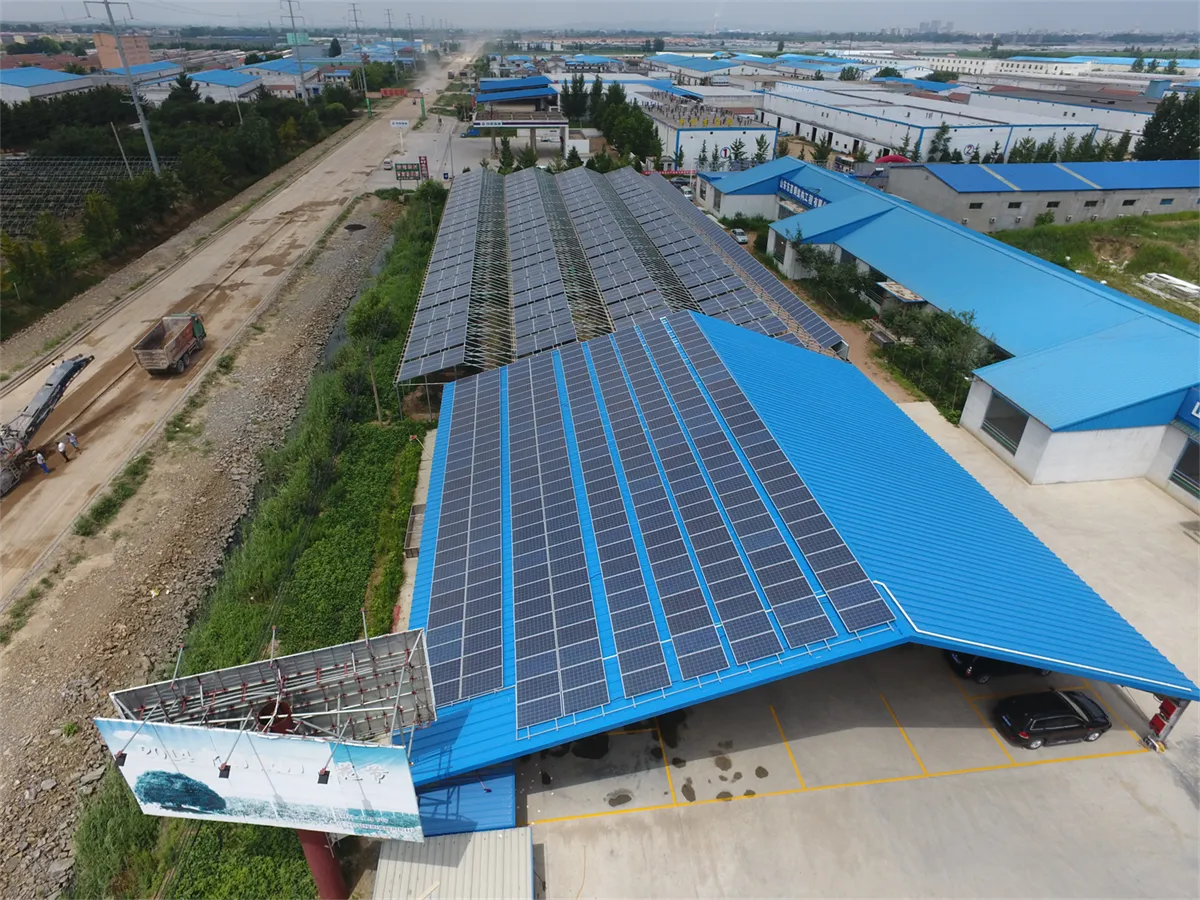
Installation Walkthrough: Getting Your Hands Dirty
Okay, theory's great, but let's talk practical steps. Here’s how to physically achieve optimal clearance and reflectance:
Mark your installation area with a long measuring tape – don't eyeball it! Level the worst bumps but keep natural contours. Lay down weed barrier fabric if using reflective stone/gravel.
Use adjustable ground screws for precision height control. Pour small concrete footings only if your soil is unstable.
Assemble rails at ground level before lifting. Double-check every bolt – bifacial racks carry different stress points. Don't cheap out on galvanized steel!
Lift panels parallel to the ground to avoid flexing. Alternate installation direction for wind load distribution. Use all provided clamps – no skipping corners!
The Invisible Enemies: Dust, Shadows, and Seasons
Your perfect setup won't stay perfect automatically. These silent energy thieves creep in gradually:
- Dust buildup: Reduces reflectance by up to 20% in arid climates
- Vegetation encroachment: Those cute shrubs become light blockers
- Seasonal albedo shifts: Dry summer soil reflects less than spring rain
Set quarterly calendar reminders for:
- Surface gravel refreshing (top up washed-out areas)
- Border trimming (maintain a 1-meter vegetation-free perimeter)
- Panel underside inspection (surprisingly effective with a drone)
The Payoff: When Optimized Bifacial Systems Shine
Getting clearance and reflectance right transforms your energy profile:
- Morning/evening production increases when sunlight angles are low
- Winter performance improves dramatically with snow reflection
- Cloudy days generate 10-25% more than monofacial panels
At the end of the day, bifacial solar is about working with physics, not against it. That patch of ground beneath your panels isn't empty space – it's a sunlight-reflecting partner in your energy harvest. Give it the attention it deserves, and you'll be rewarded with watts you didn't even know you could capture. Now go install something brilliant!










