
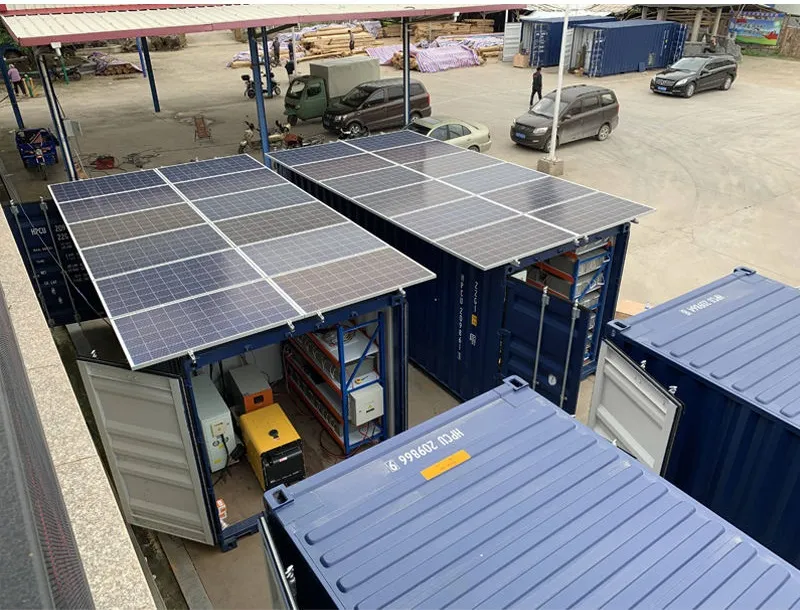
Hey there! If you've been exploring renewable energy options, you've probably heard the buzz about bifacial solar panels. Unlike traditional monofacial panels, these clever devices capture sunlight from both sides. But here's what doesn't get talked about enough: ground reflectance. That's right – what's beneath your panels matters more than you think. Today, we'll break down how your backyard's dirt, grass, or concrete significantly impacts your energy yield.
Picture a traditional solar panel – it's like a one-way mirror soaking up sunlight only from the top. Bifacial panels? They're the overachieving twins with transparent backs that drink in reflected light from below. Most manufacturers promise efficiency gains, but they rarely mention how much of that relies on what's happening beneath them.
In desert installations, where sand reflects like crazy, we've seen output spike by nearly 27%. But in your typical grassy backyard, that gain might only hit 10%. Why the difference? It's all about ground reflectance value – a technical term for "how much bounce" your surface has.
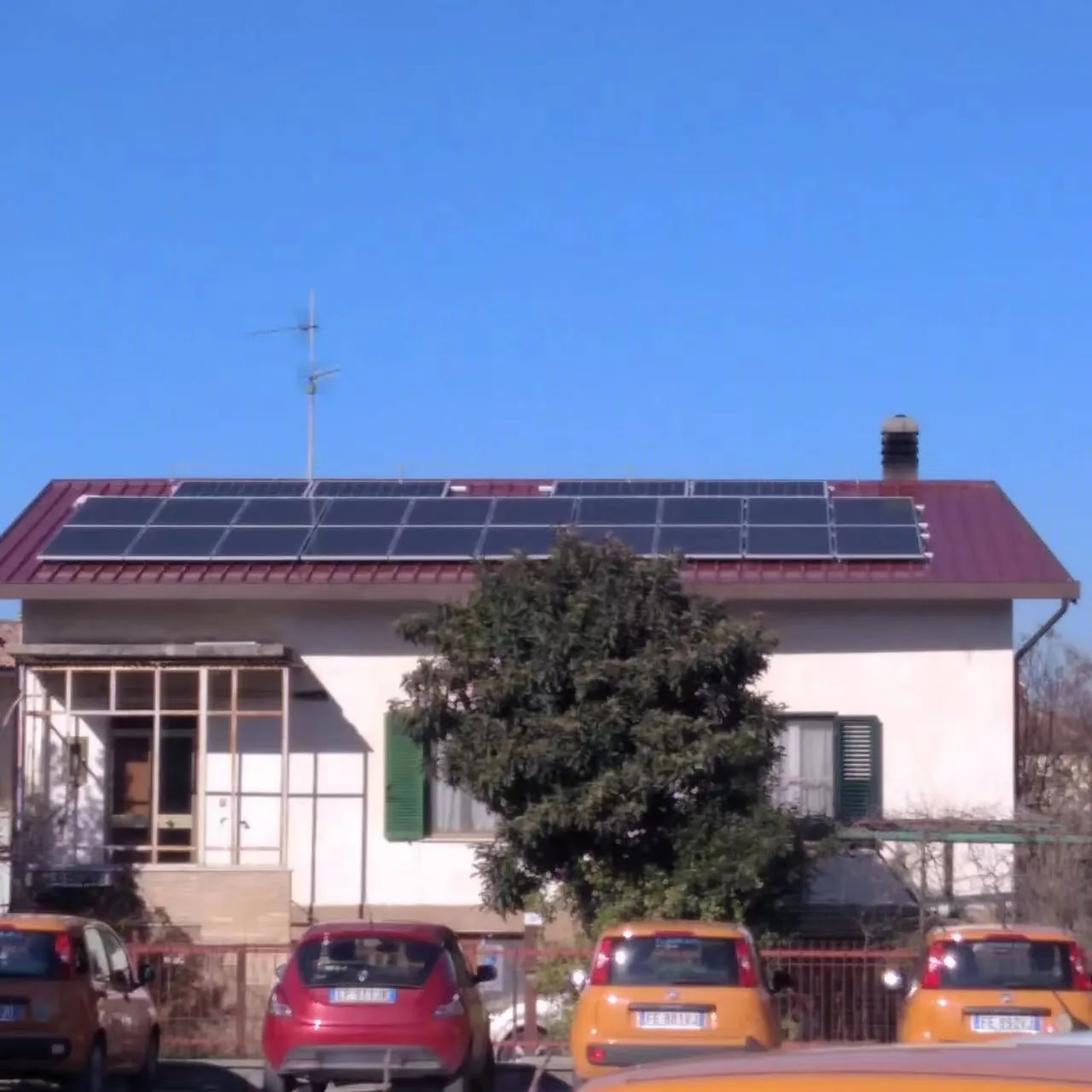
Let's get concrete (pun intended!):
Notice how concrete outperforms asphalt significantly? That's why commercial parking lot installations have become such hotspots for bifacial tech. The eco-friendly building materials you choose for the base layer aren't just about sustainability – they're revenue generators!
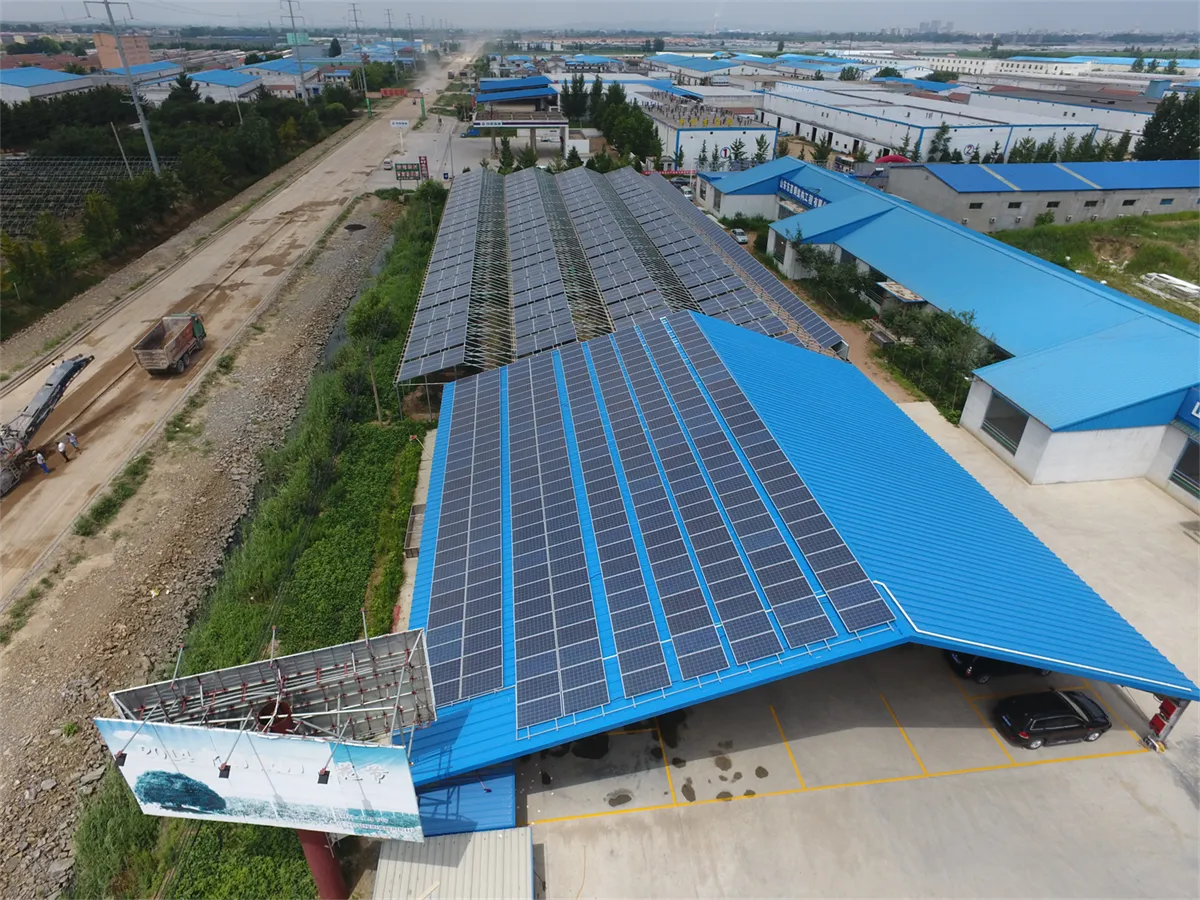
It's not just about choosing concrete over grass. These elements quietly influence your gains:
A lawn that reflects 18% in summer might jump to 85% during a snowy winter. We tracked a Vermont installation whose December output beat July's – all thanks to snow's mirror effect.
Rain turns concrete into a temporary reflector. After rainfall, we measured 38% reflectance on standard concrete vs. 28% when dry. That 10% bump translates to real watts!
Higher-mounted panels (3+ feet) capture more reflected light. Our field tests showed 5% gains just from adjusting mount height. No space limitations? Go tall!
That white gravel? It loses 15-20% reflectivity when dusty. We recommend simple monthly rinses to maintain peak performance.
Ever seen snow accumulate against a wall? It creates a natural reflector. We call it "wall boost" – and it can add 5-8% extra output at zero cost.
Want to ballpark your setup? Use this field-tested formula:
Total Gain (%) = Bifaciality Factor × Ground Reflectance × (1 + Height Factor)
Let's break it down:
Example: Premium panels (92% bifacial) over white gravel (55% reflectance) at 3.5 feet height:
92% × 55% × (1 + 0.25) = 63% potential gain!
After 20 commercial installations and dozens of residential jobs, here's what never makes the manual:
Leave 50-100% ground space between rows for reflectivity. Crowded panels cancel the bifacial advantage.
Can't replace your lawn? Lay white landscape fabric or light-colored pavers strategically. A $200 fix boosted a homeowner's output by 11% annually.
Don't shovel snow under panels! That untouched white canvas gives your winter production a dramatic lift.
Research teams are testing wild new ground treatments:
These could potentially push gains beyond 50% consistently – transforming marginal land into solar goldmines.
Our Michigan study site using white gravel outperformed Phoenix equivalents 5 months per year due to cloud diffusion advantages. Geography matters less than smart design!
Installing simple gravel costs less than adding one extra panel – yet delivers comparable gains over time.
Annual cleaning takes 20 minutes – compared to hundreds in extra kilowatt-hours generated.
Ready to maximize your bifacial investment?
The future of solar isn't just about fancier panels – it's about creatively harnessing every photon bouncing back from the surfaces below us. By mastering ground reflectance, you're not just installing technology... you're conducting an orchestra of light.
Recommend Products












