


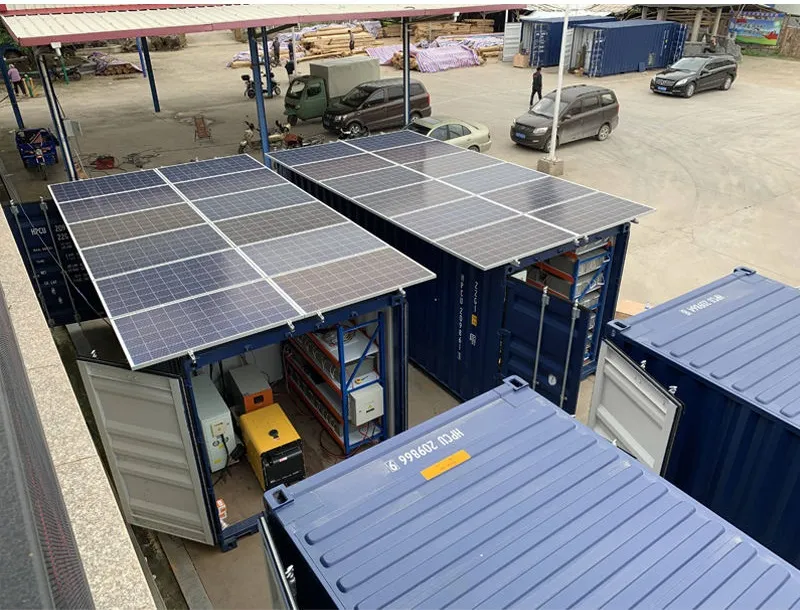
Picture your standard solar panel – doing a perfectly good job soaking up sunlight from the front, right? Now imagine flipping it over and putting that backside to work too. That's the revolutionary concept behind bifacial solar components! These aren't just minor upgrades; they're redefining how we capture solar energy by harnessing light from both sky and ground.
After digging into the engineering and real-world performance data, I'm excited to unpack exactly what makes these double-duty panels tick. We'll explore their clever construction, where they shine brightest, and why major energy projects are switching to these power-duplicating marvels. And yes – we'll address whether they're worth the investment for your home too!
The Genius Behind Two-Sided Design
Unlike traditional panels that act like one-way solar sponges, bifacial technology works more like a sandwich. The magic happens with specially designed solar cells squeezed between protective layers that let light pass through rather than stopping at the back. This turns every reflected photon – bouncing off snow, sand, or even light-colored roofs – into bonus electricity.
Think of it like comparing a paperback book to a fancy picture book with transparent pages. Standard panels? One story. Bifacial? You get the main tale plus bonus content shining through from behind!
Where Bifacial Really Shows Off:
- Snowy landscapes: Fresh snow reflects up to 95% of light (hello, free power boost!)
- Desert installations: Pale sand bounces back 40-60% of unused sunlight
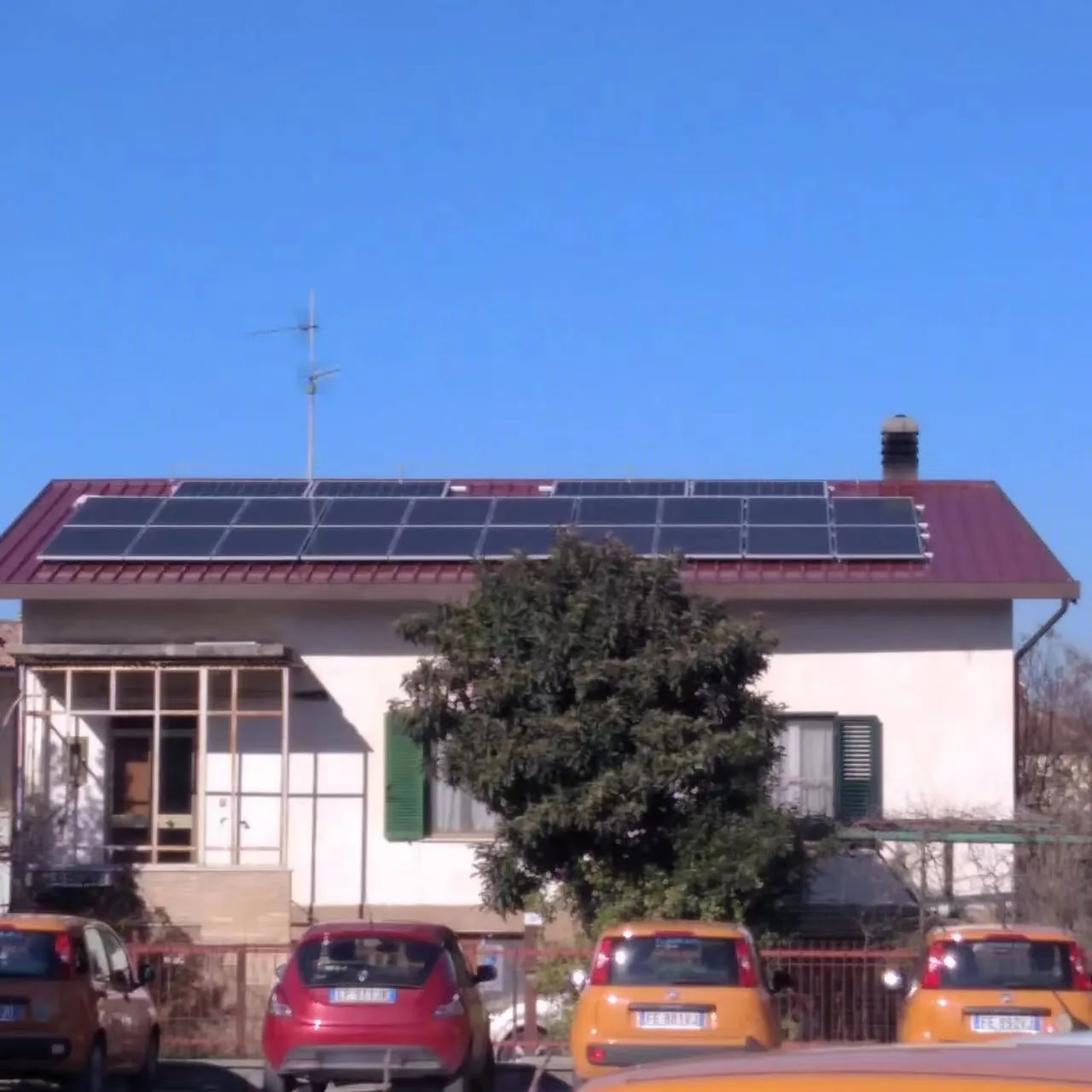
- Urban rooftops: White membrane roofs turn into giant reflectors
- Agricultural projects: Crops create a light-scattering effect under elevated panels
Building Blocks: What's Inside These Power Duos?
The magic starts with the silicon inside. Manufacturers typically use either:
| Feature | Monocrystalline Silicon | Polycrystalline Silicon |
|---|---|---|
| Efficiency | 17-22% (higher premium) | 15-17% (budget-friendly) |
| Heat Performance | Stays cooler longer | Slight dip in scorching temps |
| Best For | Space-constrained installs | Large-scale projects |
But silicon's just the beginning! The real game-changer is the glass-glass configuration . Unlike traditional panels with plastic backsheets, bifacial models use:
- Tempered glass fronts AND backs – creating a transparent "solar sandwich"
- Anti-reflective coatings to minimize light bounce-off
- Wider cell spacing allowing light to penetrate between cells
"The glass-glass design isn't just about letting light through," notes solar engineer Amanda Reid. "It creates panels that withstand hail better, resist corrosion, and easily last 30+ years - especially in harsh coastal zones where salt spray eats regular panels."
Set It & Benefit: Smart Installation Secrets
Installing bifacial panels isn't quite plug-and-play. To unlock that precious rear-side gain, you need three setup essentials:
Height Matters
Keep panels 3-4 feet off surfaces. Any lower and shadows creep across the backside power producers.
Tilt Angle Tweaks
10°-30° angles catch ground reflections best. Steeper in snow zones, shallower in sandy deserts.
Reflective Surfaces
White gravel under panels boosts output 18% versus bare soil. Silver-coated membranes? Up to 30%!
The maintenance rhythm changes too. With both sides working, you'll want gentle quarterly cleanings using deionized water. Forget the backyard hose - mineral deposits scatter light! Robotic cleaners now handle large bifacial arrays efficiently.
Measuring the Magic: Performance That Pays
Okay, the tech's cool - but what about real-world results? Across hundreds of installations, we see consistent gains:
Peak performance over traditional panels in high-reflective environments
Slower degradation rate (vs 0.8% in monofacial panels)
Projected energy cost by 2027 as production scales
Interestingly, bifacial panels actually overperform on cloudy days too. Their dual-surface design captures scattered light more effectively than single-sided panels. In places like Portland where overcast skies dominate, they still deliver 15% more annual energy.
Financially, you trade higher upfront costs (about 10-15% more) for long-term payoff. Most commercial installations recapture this premium in under 4 years through sheer energy production. For homeowners, payback depends on your roof reflectivity - light surfaces make these panels sing!
Where Bifacial Tech Shines Brightest
While homeowners can benefit, these panels truly dominate in specific scenarios:
Solar Farms & Utility Projects
Massive ground-mounted arrays see the biggest gains. Nebraska's 300MW bifacial installation uses single-axis trackers rotating panels like sunflowers, squeezing 27% more energy from each acre than traditional designs.
Agricultural Partnerships
Solar grazing is trending! Panels mounted 7 feet high let sheep wander underneath while boosting yields 10-25% over mono systems. The panels protect crops from scorching sun while creating perfect microclimates for shade-loving plants.
Urban Innovations
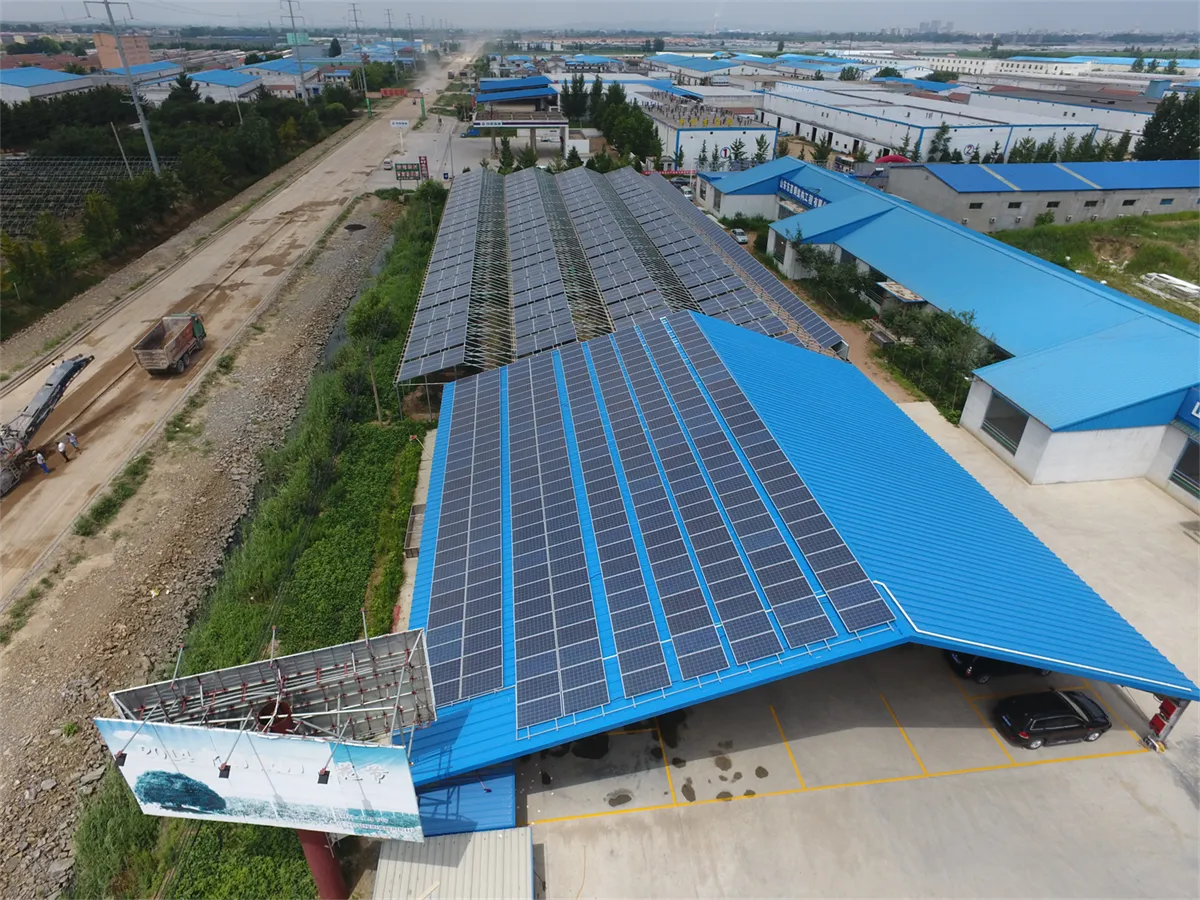
Bus shelters, parking structures, and sound barriers now double as power generators. The Changi Airport canopy in Singapore pairs glass-glass bifacial panels with beautiful artistic patterns.
The Road Ahead: Brighter Than Ever
With bifacial shipments growing 16% annually, this tech isn't slowing down. Coming innovations include:
- Hybrid tracking systems: Tilt panels based on real-time cloud cover/albedo data
- Thinner glass layers: Slashing weight by 15% without sacrificing durability
- Enhanced coatings: Self-cleaning surfaces to reduce maintenance costs
Global energy analysts predict bifacial panels will dominate utility-scale installations by 2030. Their simple physics - harvesting light that traditional panels waste - creates efficiency jumps standard designs can't match. As costs continue falling through manufacturing improvements and scaled production, your future power plant might just be a giant mirrored field of glass-glass panels! And don't forget about monocrystalline solar panels which continue to evolve alongside bifacial technology.
Your Top Bifacial Questions - Answered!
Can I retrofit bifacial panels to my existing solar setup?
Technically yes, but you'll need new mounting hardware providing proper ground clearance and likely upgraded inverters. Most experts recommend waiting for a full system replacement unless your current infrastructure already meets bifacial requirements.
How long do bifacial panels actually last?
Manufacturers now offer 30-35 year power warranties - a decade longer than most traditional panels. The glass-glass sandwich construction shows slower degradation, with field data indicating 90%+ original output after 25 years versus 80-85% for monofacial arrays.
Are these suitable for windy coastal areas?
Absolutely! Their tempered glass construction handles salt corrosion and high winds better than plastic-back sheet panels. Just ensure your installer uses corrosion-resistant mounting hardware specifically rated for coastal conditions.
Bifacial solar components represent more than an incremental improvement—they fundamentally redefine light capture efficiency. By transforming passive back surfaces into active energy generators and leveraging existing environmental reflections, they squeeze more power from every square foot.
While their unique installation requirements demand careful planning, the long-term performance gains make bifacial technology compelling for large-scale deployments and environmentally-conscious homeowners alike. As innovation continues to reduce costs while enhancing durability, these double-sided power generators increasingly look like solar's bright future.










