Walk into any modern home or commercial space today, and you'll likely notice a material that blends the warmth of wood with the durability of plastic—WPC wall panels. Short for Wood-Plastic Composite, these panels have become a go-to choice for
interior decoration materials across residential and commercial projects, and China stands at the forefront of crafting some of the best in the world. But what makes Chinese WPC wall panel suppliers stand out? Let's dive into why these panels are reshaping the construction industry, what to look for in a top supplier, and how they're transforming spaces from living rooms to office lobbies.
Why WPC Wall Panels Are Taking Over Modern Interiors
Imagine a wall material that looks like natural wood but won't warp in a humid bathroom, doesn't require annual painting, and is made from recycled materials. That's WPC wall panels in a nutshell. Here's why they're becoming a staple for both residential building materials suppliers and commercial projects:
-
Eco-Friendly at Heart
– Most WPC panels are made from a mix of recycled wood fibers and plastic, reducing reliance on virgin timber and keeping plastic waste out of landfills. Many top suppliers also prioritize low-VOC (volatile organic compound) production, meaning healthier air quality for your space.
-
Tough as Nails
– Unlike solid wood, WPC panels resist moisture, termites, and rot. Spill a glass of water in the kitchen? No problem. Live in a humid climate? They won't swell or crack. This durability makes them a favorite for high-traffic areas like restaurants or busy family homes.
-
Design Freedom
– Whether you want the rich grain of oak, the sleek look of teak, or even bold colors for a statement wall, WPC panels deliver. Suppliers offer endless textures and finishes, so you can match any interior style—from rustic farmhouse to modern minimalist.
-
Budget-Friendly Long-Term
– While upfront costs might be slightly higher than cheap plywood, WPC panels save money over time. No need for expensive stains or sealants, and their lifespan (often 15-20 years) means you won't be replacing them anytime soon.

What Makes a Top WPC Wall Panel Manufacturer in China?
China isn't just a producer of WPC panels—it's a hub for innovation. The best wpc wall panel suppliers here don't just churn out generic products; they invest in technology, quality, and customer-centric solutions. Here are the traits that set the leaders apart:
1. Cutting-Edge Production Tech
Leading manufacturers use advanced extrusion processes, where the wood-plastic blend is heated and pushed through precision dies to create consistent, high-strength panels. Look for suppliers with automated quality control systems—like real-time thickness checks and color matching—to ensure every batch meets standards. Some even use computerized design tools to let clients customize panel sizes and textures down to the millimeter.
2. Material Mastery
It's not just about mixing wood and plastic. The best suppliers tweak their formulas: adding fiberglass for extra strength, UV stabilizers to prevent fading in sunlight, or fire-retardant additives for commercial spaces. For example, a supplier focusing on hospital or school projects might offer WPC panels with Class B fire ratings, ensuring safety without sacrificing style.
3. Certifications That Matter
Trustworthy suppliers back their products with certifications. Look for ISO 9001 (quality management), ISO 14001 (environmental management), or CE marks for European markets. Green building certifications like LEED or China's GB/T 24001 are also a plus, showing commitment to sustainability.
4. Customization That Fits Your Vision
Whether you need extra-wide panels for a minimalist office or panels with a specific wood grain to match heritage furniture, top suppliers deliver. Many offer "
whole-house customization" options, meaning you can get matching WPC panels for your living room, kitchen, and bathroom—ensuring a cohesive look throughout your home.
Beyond Basic Panels: Solutions for Every Space
The best
wpc wall panel solutions go beyond just flat boards. Suppliers now offer a range of specialized products to meet unique needs. Here's how they're adapting to different spaces:
|
Space Type
|
Specialized WPC Solutions
|
Key Benefits
|
|
Residential Bathrooms
|
Moisture-resistant panels with anti-slip coating
|
Stands up to steam and water; no mold growth
|
|
Busy Office Lobbies
|
High-impact resistant panels with scratch-proof finish
|
Looks new despite daily foot traffic and furniture movement
|
|
Restaurants & Cafés
|
Stain-resistant panels with easy-clean surface
|
Wipes clean from food spills; maintains warm, inviting vibe
|
|
Bedrooms & Living Rooms
|
Acoustic WPC panels with sound-dampening core
|
Reduces noise transfer between rooms; creates cozy atmosphere
|
Many suppliers also provide complementary products to simplify installation: matching trims, corner pieces, and even adhesive systems that cut down on labor time. For commercial projects, some offer bulk ordering with flexible delivery schedules, ensuring your construction timeline stays on track.

From Homes to Hotels: Real-World Applications
WPC wall panels aren't just for one type of space—they're versatile enough to shine in both residential and commercial settings. Let's look at how they're being used:
In Residential Spaces
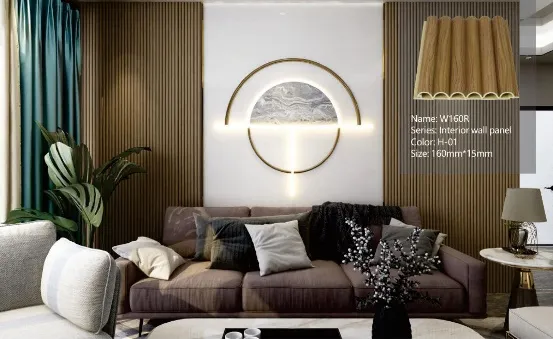
Homeowners love WPC panels for their low maintenance and style. In living rooms, they add warmth as an accent wall behind the TV, mimicking the look of reclaimed wood without the upkeep. In kitchens, they're a smart backsplash alternative—resistant to grease and easy to wipe clean. Even bedrooms benefit: a WPC accent wall in soft gray or warm oak creates a calming retreat that won't fade from sunlight.
In Commercial Projects
Commercial building materials suppliers often recommend WPC panels for their durability and cost-effectiveness. Hotels use them in guest rooms to create a homey feel that holds up to frequent guest turnover. Retail stores opt for bold-colored WPC panels to make product displays pop, while offices use neutral tones for a professional yet modern look. One notable example: a chain of boutique hotels in Southeast Asia recently switched to WPC panels in their lobbies, citing a 30% reduction in maintenance costs compared to traditional wood panels.
Outdoor-Ready Options
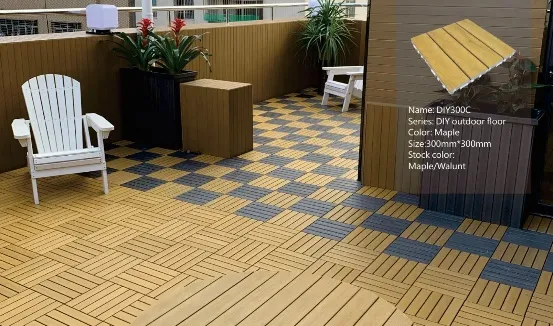
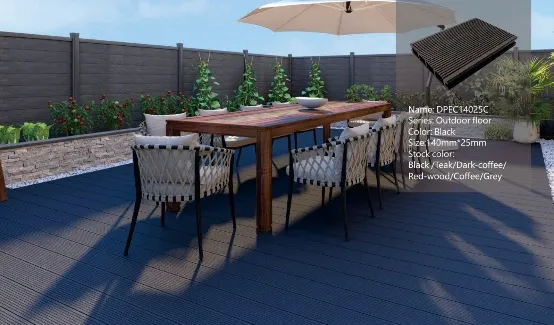
While most WPC panels are designed for indoor use, some suppliers offer outdoor-rated versions for covered patios or sunrooms. These panels include extra UV protection to prevent fading and are treated to withstand rain and temperature swings—blending seamlessly with indoor decor for a cohesive indoor-outdoor flow.
With so many suppliers out there, how do you find the one that fits your project? Here's a step-by-step guide to narrowing it down:
-
Start with Samples
– Any reputable supplier will send free samples. Test them: scratch the surface, pour water on them, even bend them to check flexibility. A good panel should feel solid but not brittle.
-
Ask About Production Capacity
– For large commercial projects, you need a supplier who can deliver big orders on time. Ask about monthly production volume and lead times—you don't want your project delayed because of supply issues.
-
Check Their Sustainability Credentials
– If eco-friendliness is a priority, ask about their raw materials (are the wood fibers from certified sustainable sources?) and manufacturing process (do they use renewable energy? Recycle water?).
-
Look for Post-Sale Support
– The best suppliers don't just sell you panels—they help with installation. Do they provide technical guides? Offer training for your contractors? Good support can save you time and headaches down the line.
-
Read Between the Lines in Reviews
– Customer feedback tells you a lot. Look for comments about consistency (did all panels match in color?), durability (how have they held up over time?), and communication (were questions answered promptly?).
The Future of WPC Wall Panels: What's Next?
Chinese suppliers aren't resting on their laurels—they're pushing the boundaries of what WPC panels can do. Here's what to watch for in the coming years:
Greener Than Ever
– Expect to see more bio-based WPC panels, using plant-derived plastics instead of petroleum-based ones. Some suppliers are already experimenting with bamboo fibers (a fast-growing, sustainable resource) to replace traditional wood fibers, creating even more eco-friendly options.
Smart Integration
– Imagine WPC panels that double as thermal insulators, helping reduce heating costs, or panels with built-in LED lighting for ambient glow. As smart homes become more common, suppliers are exploring ways to make WPC panels part of the connected ecosystem.
Design Innovations
– 3D textured panels that mimic natural stone or concrete, panels with embedded patterns for a custom art-like look, and even panels that change color with temperature—suppliers are getting creative to meet demand for unique, Instagram-worthy spaces.
Global Reach
– Chinese WPC wall panel suppliers are increasingly exporting to markets like Europe, the Middle East, and North America. This global focus means stricter adherence to international quality standards and more options for buyers worldwide.
Final Thoughts: Why China Leads in WPC Wall Panel Innovation
When it comes to WPC wall panels, China's manufacturers and suppliers aren't just keeping up—they're leading the charge. With a focus on innovation, sustainability, and customer-specific solutions, they're proving that durable, eco-friendly, and beautiful wall materials don't have to be mutually exclusive. Whether you're a homeowner looking to refresh your living room or a commercial builder tackling a large-scale project, the right
WPC wall panel supplier in China can turn your vision into a space that's both functional and full of character.
So, if you're ready to embrace a material that's built to last, kind to the planet, and endlessly customizable, it's time to explore what China's top WPC wall panel suppliers have to offer. After all, the walls of your space deserve to be as resilient and stylish as the life you live in them.













