
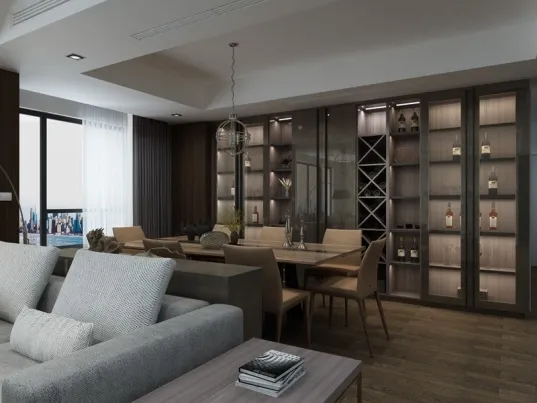
Hey wine enthusiasts! Let's have a real conversation about keeping your precious bottles happy. Whether you're just dipping your toes into wine collecting or you're a seasoned oenophile, finding the right storage solution can be surprisingly personal. Grab a glass, pull up a chair, and let's explore what really makes a wine cabinet work for your lifestyle and collection.
Let's get real for a second. That kitchen cabinet or basement corner might seem fine for now, but wine is actually alive and constantly changing. Temperature swings? That'll speed up aging or ruin flavors. Humidity issues? Say hello to crumbling corks. And UV light? That's the silent killer of wine's delicate compounds.
Real Talk: That $30 bottle you're saving for a special occasion? Without proper storage, it might become vinegar by the time your anniversary rolls around. A good wine cabinet isn't just furniture—it's an investment in your collection.
Different wines have different needs too. Reds and whites? They prefer different temperatures. Young versus aged wines? They mature differently. And if you've got sparkling wines in the mix, that's a whole other ballgame. A dedicated cabinet understands these nuances.
It's tempting to think "the bigger the better," but I've seen too many people stuck with a half-empty cabinet gathering dust. Ask yourself honestly:
The sweet spot? Get a cabinet that holds 20-30% more than your current collection. And measure your space doorways! I've heard horror stories of beautiful cabinets that couldn't fit through basement doors.
The magic number isn't actually one number. Reds typically like 12-18°C (55-65°F) while whites prefer 7-13°C (45-55°F). The secret is getting a cabinet with precision control that maintains a consistent temperature exactly where you set it. Look for models with thermoelectric systems - they're quieter and vibration-free compared to compressor systems.
This is where many cheaper models cut corners. Ideal humidity is 50-70% to keep corks from drying out. But here's what they don't tell you: many cabinets need help maintaining this, especially in dry climates. Some pros add small containers of water or use humidity beads. Ask yourself: "How hands-on do I want to be?" and pick accordingly.
Pro Insight: Dual zone cabinets are a game changer if you regularly enjoy both reds and whites or have sparkling wines. Being able to set different sections to different temperatures means no more choosing between lukewarm whites or chilled-to-death reds!
Glass doors look gorgeous in showrooms but think twice about placement. If it'll get direct sunlight even occasionally, opt for UV-protected glass. As for vibration? Think about placement away from laundry machines, HVAC systems, or where people frequently walk.
This is where personality comes in! Built-in models disappear seamlessly into kitchen cabinetry. Freestanding units can become conversation pieces. Countertop versions fit small spaces beautifully. And don't forget shelving design - some handle large champagne bottles better; others make organization easier.
If you mostly buy wine to drink within weeks:
Look at: Kalamera 18-Bottle, Nutrichef 20-Bottle
Building a diverse collection to age properly:
Look at: NewAir 150-Bottle, Ivation 48-Bottle Dual Zone
Preserving investment bottles and aging treasures:
Look at: EuroCave Premiere, Transtherm Classic Series
Installation Tips: Allow 6 inches clearance on all sides for ventilation regardless of cabinet type. Plug directly into a wall outlet - no power strips! Level carefully to ensure the door seals properly. You'll be surprised how much these small steps impact performance.
Even the best cabinet needs TLC. Here's a simple routine:
Get a technician to check refrigerant levels and electrical components. Consider it a physical for your wine cabinet!
When organizing, group wines by type (red, white, sparkling) within temperature zones. Keep everyday wines accessible and special bottles behind. Rotation matters too - place newly acquired bottles at the back to avoid opening the best stuff too early!
Here's where the real fun begins. A well-organized cabinet becomes the heart of your entertaining.
Position it where guests can admire your collection. Create "flight" shelves with comparative wines. Use chalkboard labels to note special bottles. Install subtle interior lighting to showcase your gems.
Go old school with a leather-bound journal or embrace apps like CellarTracker. Note when bottles entered the cabinet and drinking windows. Leave notes for guests or family about why certain bottles are special.
Signs of trouble: musty aromas (corked), brown colors (oxidized), sediment in young wines (heat damage). If your wine cabinet's environment caused the damage, troubleshoot immediately. When evaluating designs, consider temperature consistency that preserves quality—a crucial element in fine wines aging gracefully.
The right wine cabinet grows with you. Many collections start modestly and expand beyond expectations. Choose a system that accommodates future add-on units or expansion. Think about software integration—WiFi-enabled models let you monitor conditions remotely.
Your relationship with wine evolves over time too. You might start drinking mostly young whites but develop a passion for aged Bordeaux. Your cabinet should adapt. Models with modular shelving or convertible zones offer flexibility.
At its best, your wine cabinet becomes more than storage—it's the living archive of your journey as a wine lover. Each bottle represents a memory: that special trip to Sonoma, the birth of your child, the promotion you celebrated. Good storage protects these liquid memories until their perfect moment arrives.
Visit local wine shops and appliance stores to see models in person. Touch the materials, listen to the sound (or lack of sound) when it's running. Ask collectors you know about their experiences. Read specialist reviews beyond just stars—look for detailed performance reports.
Remember that a good wine cabinet preserves not just wine, but enjoyment. It lets you serve white wine that properly chills the glass without freezing flavors. It allows you to pull a red at cellar temperature ready for immediate enjoyment. And it ensures that bottle you've been saving for a decade becomes a revelation instead of a disappointment.
Take your time choosing. This isn't just another appliance—it's your collection's sanctuary, your wine library, and ultimately, the guardian of your enjoyment. Choose well, maintain consistently, and let every glass from your cabinet be a celebration of good choices made.
Recommend Products












