
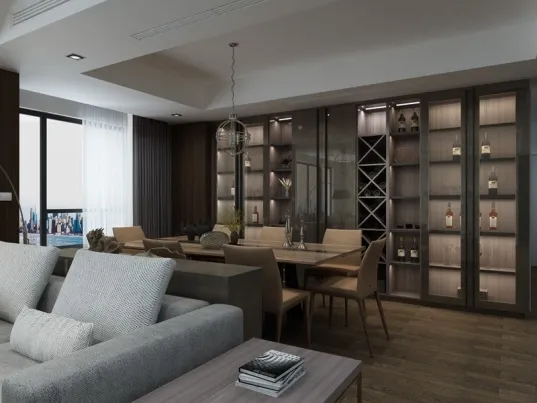
You know how wine gets better with age? Well, where you store it makes all the difference. And let me tell you, China's become the secret cellar master for wine enthusiasts worldwide. It's not just about mass production anymore - Chinese manufacturers have turned wine storage into an art form. They're blending centuries-old woodworking traditions with smart, modern tech to create cabinets that do more than just hold bottles; they showcase your collection like crown jewels.
What makes them stand out? First, they've mastered the climate control game. Ever opened a prized bottle only to find it's gone bad? Chinese manufacturers obsess over maintaining that perfect 55-65°F range because they get it – wine is liquid memories. The precision in their temperature and humidity systems rivals high-end Swiss watches.
Then there's the material innovation. We're not talking basic pine boxes here. Places like Guangdong and Zhejiang provinces work with everything from sustainably harvested oak to sleek stainless steel that'd make a Michelin-starred kitchen jealous. And the customization? Oh boy! You want LED-lit display shelves behind smoked glass? Done. Need modular units to fit that awkward space under your stairs? They'll engineer it. These craftspeople treat your wine storage like it's their personal passion project.
Remember when wine cabinets were just wooden boxes with dividers? Those days are gone. Today's offerings from China are like the Swiss Army knives of wine storage - packed with smart features you never knew you needed.
Modern cabinets don't just sit there looking pretty. They're active guardians for your collection. The moment temperatures start creeping up, whisper-quiet compressors kick in to restore balance. Humidity sensors keep corks perfectly moist but never damp enough for mold. And the vibration-dampening tech? It's like putting your bottles on memory foam mattresses.
Let's be real – we want our wine displayed, not hidden away. Chinese designers get this. You'll find cabinets with backlit frosted glass that makes bottles glow like museum pieces. Others feature integrated tasting areas with pull-out surfaces, so you're not balancing glasses on wobbly bar stools. Some premium lines even include dedicated temperature-controlled wine cabinet zones for different varietals.
Living in a city apartment doesn't mean sacrificing your wine passion. Suppliers offer slim built-ins that fit between studs in drywall, corner units maximizing dead space, or even drawer-style cabinets that slide under kitchen counters. The adjustable shelving systems accommodate everything from standard Bordeaux bottles to those tall, awkward Rieslings that never seem to fit anywhere.
Walking into Tiform's workshop is like entering a symphony of precision. These folks don't just make cabinets; they craft stainless steel masterpieces that control temperatures tighter than a submarine door. Their specialty? Blending industrial-strength functionality with surprisingly elegant designs that complement contemporary spaces.
What sets them apart is their obsessive approach to insulation. They'll layer materials like a lasagna – thermal barriers, vibration pads, you name it. That bottle of '98 Chateau Margaux isn't just stored; it's hibernating in perfect conditions.
Lyson feels like that friend who insists every detail must be perfect. Their approach? Your cabinet should grow with your collection. Need extra modules? Just snap them on. Want to reconfigure shelves? Tinker away.
Their integrated wall units are pure genius, blending so seamlessly they look like they grew there. What wine lovers appreciate most is their modular design philosophy – nothing gets locked into one configuration. Plus, their material transparency means you know exactly where that bamboo wood came from.
Pengbo turns functional units into gallery-worthy furniture. Each piece has curves you'd want to run your hand over, finishes that beg to be touched. Their "American Antique" line? It looks like it should cost five figures.
The real magic is in their joinery. No screws rattling loose here – everything fits like ancient woodcraft. They've figured out that sealing wood isn't about slapping on varnish; it's about creating moisture barriers that let the wood breathe without warping.
When we peel back the curtain, the elite cabinet makers share these common threads:
Material Integrity - They're not just using wood; they're sourcing woods with the right density and grain patterns to maintain stable humidity levels naturally. And metals? Only non-reactive alloys that won't subtly impact your wine flavors over decades.
Precision Controls - Unlike old wine fridges that blast cool air like an AC unit, modern systems have zone-specific sensors, incremental adjustments, and even apps showing temperature graphs over time. You'll know your '82 Lafite slept at a constant 57.2°F all night.
Future-Proofing - The best manufacturers understand wine collecting evolves. Today's 20-bottle collection becomes 200. Their cabinets come with easy expansion capabilities and upgrade paths. No need to replace; just enhance.
Standing before endless options? Let's break it down:
Forget cramming bottles sardine-style. What you really need? Systems that breathe and adapt. Top options offer:
Beyond basic cooling, hunt for:
Look for craftsmanship details that matter:
Chinese innovators aren't resting. Upcoming trends include:
AI Sommelier Systems - Cameras reading labels, suggesting pairings based on your menu that night. It's like having a wine expert in the cabinet.
Multi-Environment Units - Cabinets containing distinct zones for wine, cigars, and cheeses at different humidity levels. Your cellar becomes a tasting room.
Sustainable Tech - Solar-compatible compressors, reclaimed wood bodies, and non-toxic seals for purists who love nature as much as nectar.
One thing's clear – whether you're just starting with a dozen bottles or curating a museum-worthy collection, the options from China offer both precision and passion. You aren't just buying storage; you're bringing home a guardian for your liquid treasures.
Recommend Products












