
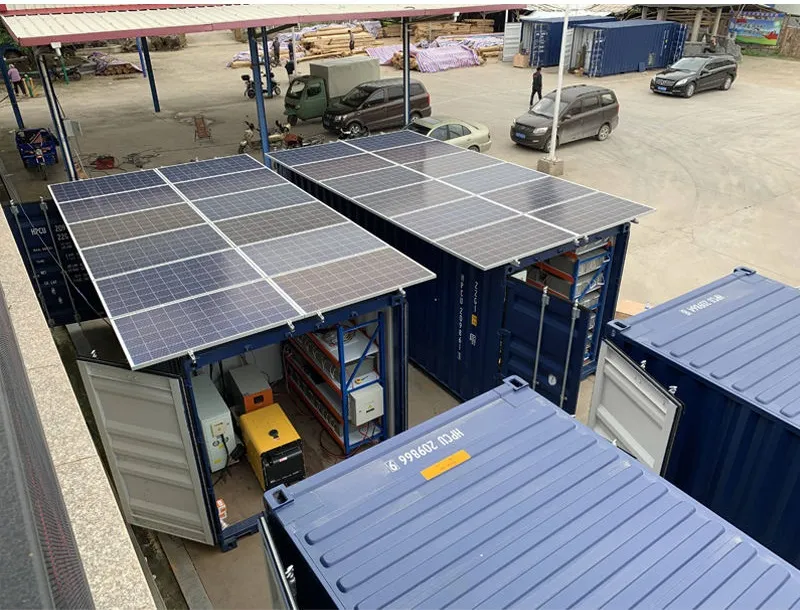
If you're a property owner, developer, or contractor in the Middle East, you know the region's climate is both a blessing and a challenge for solar energy. With over 300 days of sunshine annually, the potential for solar power is undeniable—but the harsh conditions? They can turn a promising investment into a frustrating underperformer. Picture this: You've installed solar panels on your residential complex in Dubai or commercial building in Riyadh, only to watch energy output drop by 20% by mid-summer. Or worse, after a sandstorm, you're left with panels covered in dust, barely absorbing sunlight. Sound familiar? The culprit isn't just the sun—it's how your solar system is designed to handle the Middle East's unique hurdles.
High temperatures, relentless (sand and dust), occasional humidity spikes, and even rare but intense rainstorms—these are the realities of solar installation in Saudi Arabia, the UAE, and across the Gulf. Standard solar panels, built for milder climates, often struggle here. They lose efficiency when temperatures climb above 25°C (and let's face it, summer days in Riyadh regularly hit 45°C+). Dust accumulates quickly, blocking sunlight and forcing frequent cleanings. And without proper durability, panels can degrade faster under UV radiation, cutting short their lifespan.
This is where solar panels in series come into play—and why choosing the right supplier matters just as much as the technology itself. Series-connected solar panels aren't just a technical detail; they're a strategic solution to maximize energy production, minimize losses, and ensure your system thrives in the Middle East's tough environment. And when it comes to reliable, climate-specific solar solutions, partnering with a trusted saudi arabia building materials supplier with local expertise can make all the difference.
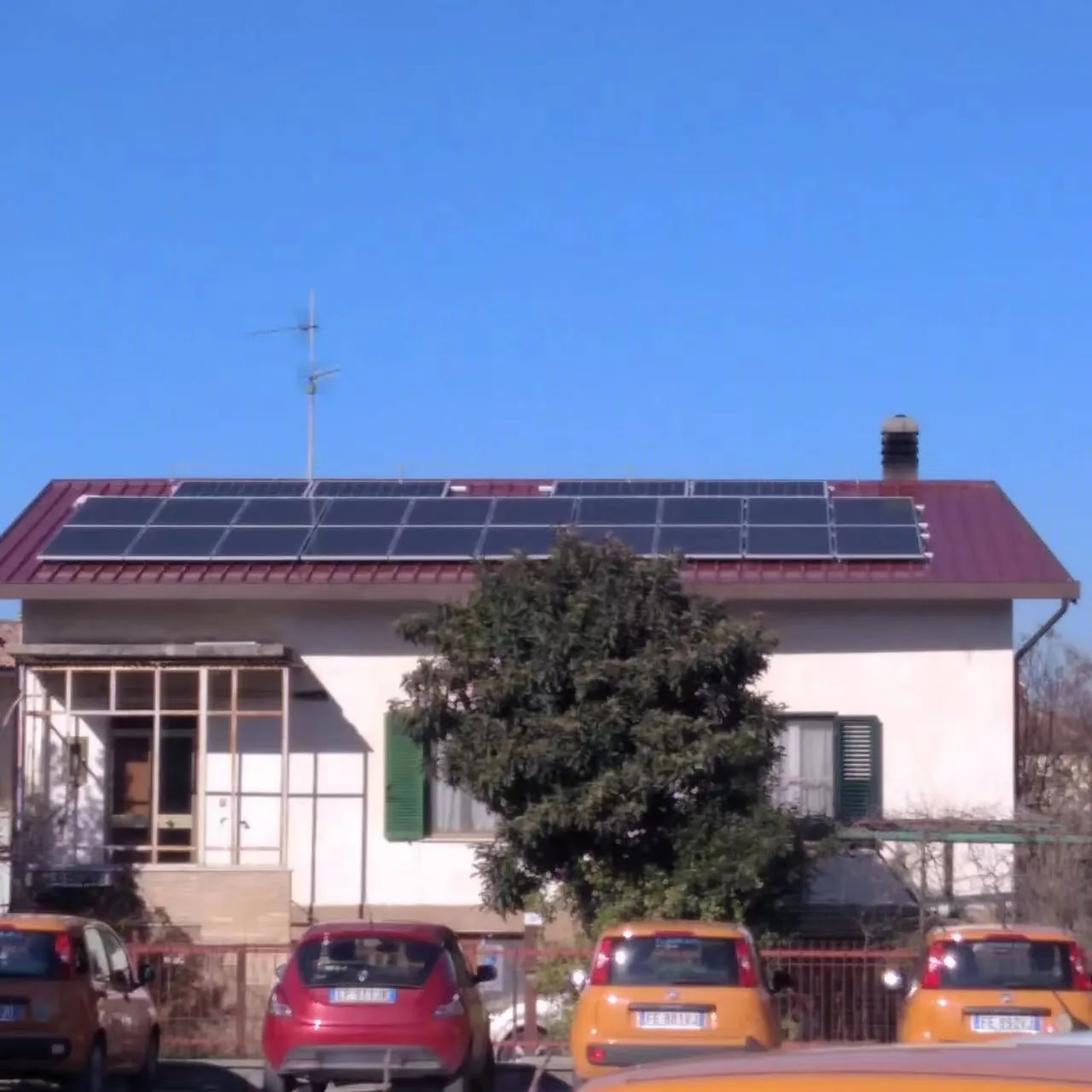
Let's start with the basics: What does "solar panels in series" actually mean? When solar panels are connected in series, the positive terminal of one panel links to the negative terminal of the next, creating a single path for electricity. This setup increases the total voltage of the system while keeping the current the same. For example, if you have 10 panels each producing 30V, connecting them in series gives you 300V total. Parallel connections, by contrast, keep voltage the same but increase current. So why does series matter in the Middle East?
First, higher voltage means lower current, which reduces energy loss through wiring. In large installations—like commercial buildings or residential complexes—long cable runs are common. Lower current flowing through these cables generates less heat and less resistance, preserving more of the energy your panels produce. In a region where every kilowatt counts, this efficiency boost adds up fast.
Second, series configurations are more stable in high-temperature environments. Middle Eastern summers don't just heat the air—they bake your solar panels. When panels get hot, their voltage drops (this is measured by the "temperature coefficient of voltage"). Series systems, with their higher baseline voltage, have more buffer room. Even with a 10% voltage drop due to heat, a 300V series system still outputs 270V, whereas a parallel system with lower initial voltage might struggle to meet inverter requirements.
Third, series setups simplify wiring and reduce costs. With fewer cables and connectors needed, installation is faster, and there's less risk of corrosion or damage from dust and moisture—two common issues in coastal areas like Jeddah or Doha. Less hardware also means lower maintenance over time, a big plus for busy property managers.
Key Takeaway: Series-connected solar panels minimize energy loss, handle high temperatures better, and reduce installation/maintenance costs—all critical advantages for Middle East projects.
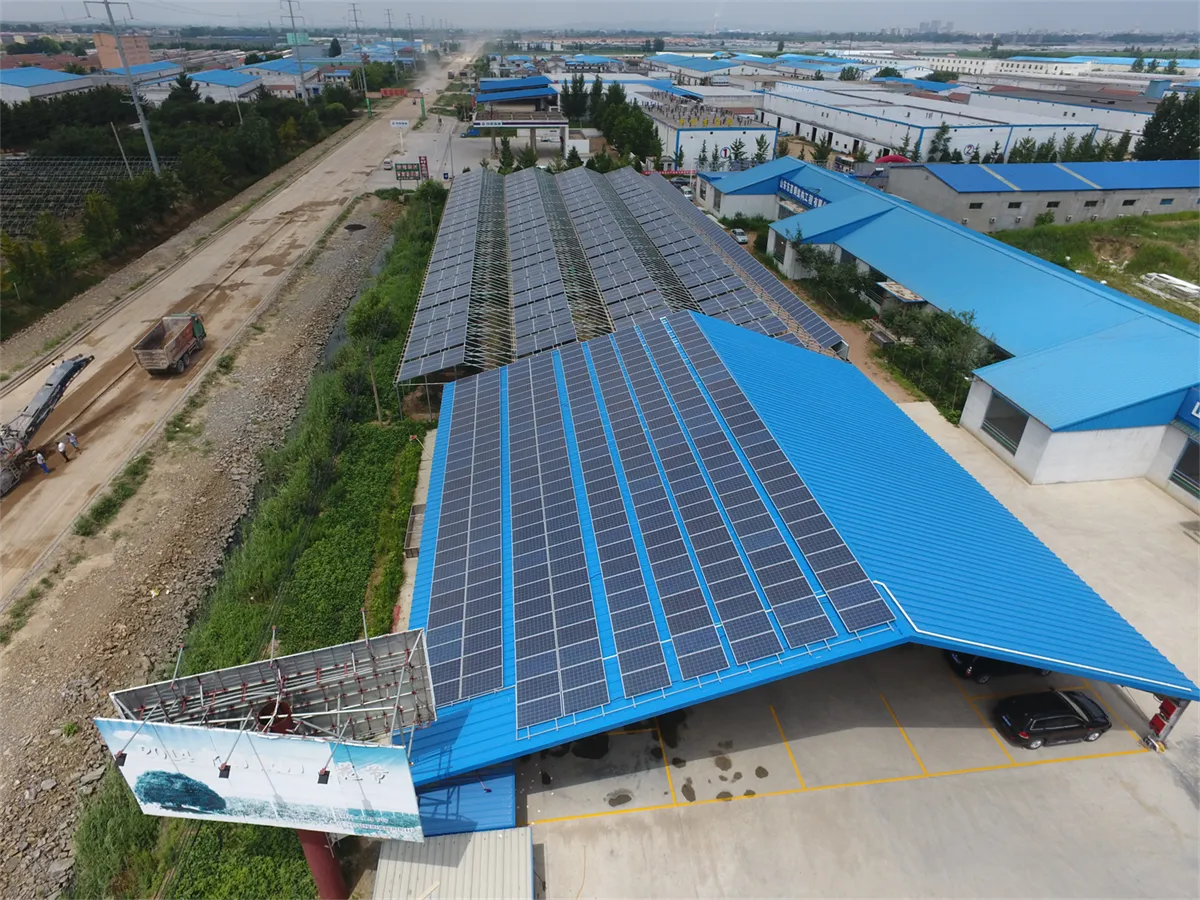
Not all solar panels are created equal, and in the Middle East, the difference between a "good" panel and a "great" one comes down to specific features. Here's what to prioritize when selecting series solar panels for your project:
The temperature coefficient (measured in %/°C) tells you how much a panel's efficiency drops for every degree above 25°C. For example, a coefficient of -0.3%/°C means the panel loses 0.3% efficiency for each °C over 25°C. In Riyadh, where panel temperatures can reach 65°C on a hot day, that's a 12% drop for a -0.3% panel—but a -0.2% panel would only lose 8%. Over 25 years, that 4% difference translates to thousands of dollars in lost energy.
Dust storms are a fact of life in the Middle East. A panel covered in dust can lose 30% or more of its efficiency in just a week. Look for panels with anti-reflective, self-cleaning coatings. These coatings repel water, so when it does rain (or when you hose them down), the water sheets off, carrying dust with it. Some panels also have a textured surface that reduces dust adhesion, cutting down on cleaning frequency.
UV radiation in the Middle East is intense, and over time, it can degrade panel backsheets and frames. Opt for panels with high-quality, UV-stabilized materials. For coastal areas (like Dubai or Kuwait City), corrosion resistance is key—look for aluminum frames with anodized coatings to prevent rust from salt air. And don't forget wind: desert winds can reach 60+ km/h, so panels should meet or exceed IEC 61215 standards for mechanical load (typically 2400 Pa, or about 50 kg/m²).
Higher efficiency panels produce more power per square meter—critical if you have limited roof space (common in urban areas like Riyadh's city center). Monocrystalline panels, with their uniform black appearance, are generally more efficient (18-22%) than polycrystalline (15-18%) or thin-film (10-15%). For large commercial projects with ample space, polycrystalline might be more cost-effective, but for residential or tight commercial roofs, monocrystalline is often worth the investment.
| Solar Panel Type | Efficiency Range | Temperature Coefficient | Dust Resistance | Best For |
|---|---|---|---|---|
| Monocrystalline (High Efficiency) | 20-22% | -0.20% to -0.25%/°C | Excellent (with anti-reflective coating) | Residential roofs, tight commercial spaces |
| Polycrystalline | 16-18% | -0.28% to -0.32%/°C | Good (basic anti-dust coating) | Large commercial projects, cost-sensitive builds |
| Thin-Film (CIGS) | 12-15% | -0.15% to -0.20%/°C | Fair (softer surface, more dust adhesion) | Flexible installations (e.g., curved roofs) |
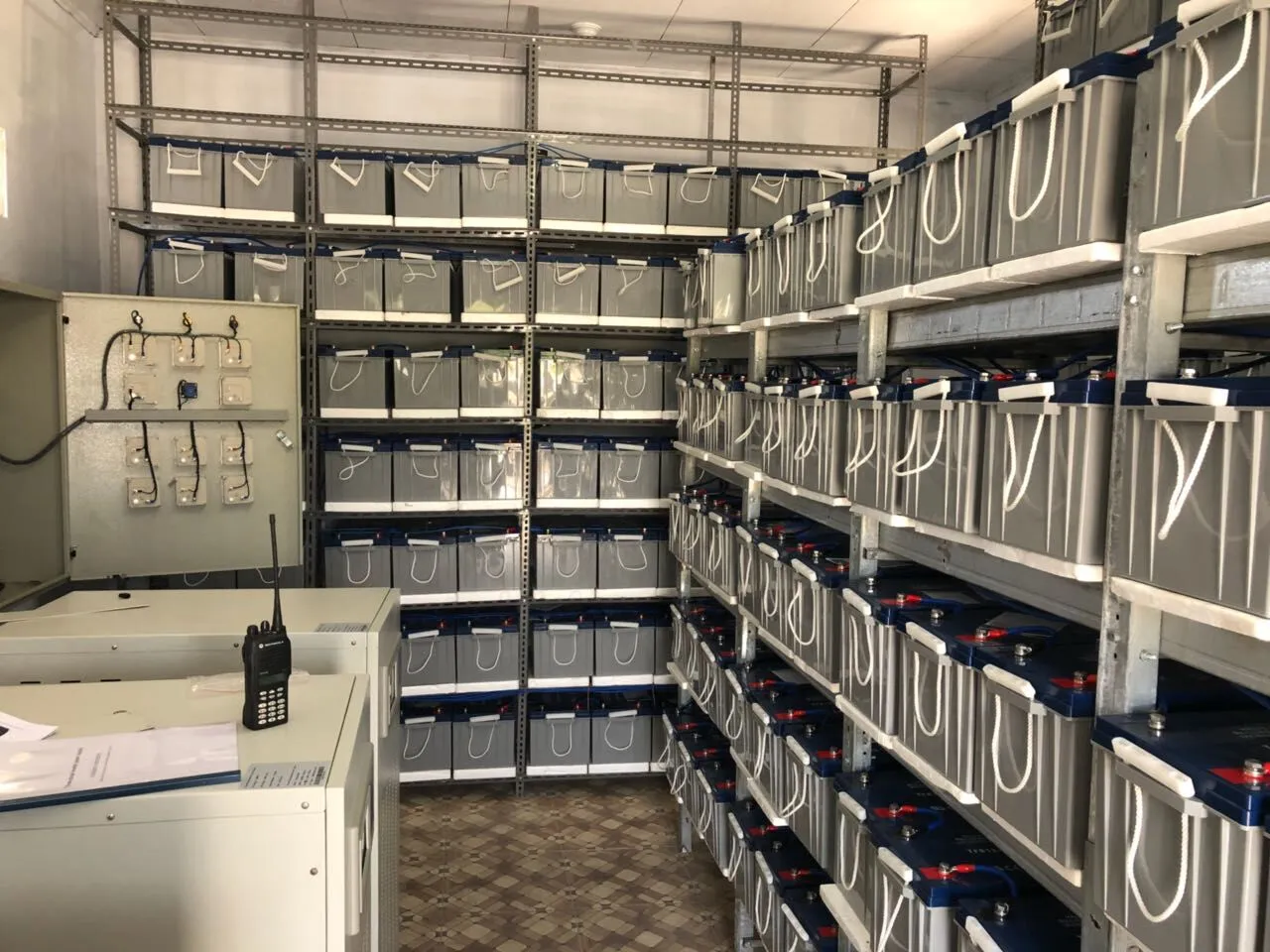
Now that you know what to look for in solar panels, let's talk about the supplier. Choosing the right partner is just as important as choosing the right panels—especially in a market as dynamic as the Middle East. Coloria isn't just a building material supplier ; we're a one-stop architectural solution provider with decades of experience serving clients in Saudi Arabia and across the Gulf. Here's why we're the go-to choice for solar panels in series:
We've been operating in Saudi Arabia for years, with a local (representative office) that understands the nuances of the market. We know which panels perform best in Riyadh's heat versus Jeddah's humidity. We're familiar with local regulations, from building codes to sustainability certifications (like LEED or Estidama). And because we're based here, we can provide fast support—no waiting for overseas shipments or time zone delays.
As a one-stop architectural solution provider , Coloria doesn't just sell solar panels. We offer everything you need for your building project, from foundation to finishing touches. Need solar panels, plus roofing materials, electrical systems, and even custom furniture for the lobby? We've got you covered. This means fewer vendors to manage, streamlined logistics, and consistent quality across your project. For example, if you're building a residential complex, you can source solar panels, flooring, bathroom fixtures, and kitchen appliances all from Coloria—saving time, money, and headaches.
Our solar panels are part of our broader commitment to sustainable products and green building. We prioritize panels with low carbon footprints, from manufacturing to disposal. Many of our panels are designed to align with Saudi Arabia's "2030 Vision," which emphasizes sustainability and reducing reliance on fossil fuels. Plus, our solar solutions are built to last—most come with 25-year performance warranties, ensuring your investment contributes to long-term sustainability goals.
We've worked on hundreds of projects across the region, from small residential installations in Riyadh to large commercial solar farms in Bahrain. Our clients include developers, contractors, and government entities who trust us to deliver reliable, climate-appropriate solutions. One recent project: a 50,000 sq.m commercial mall in Jeddah, where we installed series-connected monocrystalline panels with self-cleaning coatings. Even during peak summer, the system maintained 90% of its rated efficiency, exceeding the client's energy savings targets by 15%.
Even the best solar panels won't perform well if installed incorrectly. Here's how to ensure your series solar system delivers maximum efficiency for years to come:
The ideal tilt angle for solar panels in the Middle East is roughly equal to your latitude. For Riyadh (latitude ~24°N), that's around 24-28°. This angle maximizes sunlight absorption year-round. If your roof isn't adjustable, a fixed tilt in this range is better than flat mounting. Avoid shading at all costs—even a small shadow on one panel in a series string can reduce output for the entire string (this is called the "Christmas light effect").
Dust buildup is the biggest enemy of solar efficiency in the Middle East. How often should you clean? In dry, dusty areas like Riyadh, aim for every 2-4 weeks. In coastal areas with more rain, every 6-8 weeks might suffice. Use deionized water (to avoid mineral deposits) and a soft brush or squeegee—never harsh chemicals, which can damage anti-reflective coatings. For large installations, consider automated cleaning systems (we can help source these too!)
Invest in a solar monitoring system to track performance in real time. Most modern inverters come with built-in monitoring, or you can add third-party tools. Look for drops in efficiency, which could signal dust buildup, panel damage, or wiring issues. Coloria offers optional maintenance packages, including quarterly inspections, to keep your system running smoothly.
Series systems require inverters that can handle higher voltages. Make sure your inverter's maximum input voltage matches or exceeds your series string voltage. For example, if you have 12 panels in series, each with a maximum voltage of 40V, your string voltage is 480V. Choose an inverter rated for at least 500V input to be safe. Our team can help size your inverter correctly, ensuring compatibility and maximum efficiency.
The Middle East's solar potential is massive—but only if you choose the right technology and the right partner. Solar panels in series, designed for high temperatures, dust resistance, and durability, are the smart choice for maximizing energy production and returns. And as a trusted saudi arabia building materials supplier and one-stop architectural solution provider , Coloria has the expertise, products, and local support to make your solar project a success.
Whether you're building a residential complex, a commercial mall, or a government facility, we'll work with you to design a custom solar solution that meets your energy goals, budget, and sustainability targets. From initial consultation to installation and maintenance, we're with you every step of the way.
Don't let the Middle East's climate hold back your solar investment. Choose series solar panels built for the region, and partner with a supplier who understands your needs. Reach out today to learn more about our solar solutions and how we can help you harness the power of the sun—efficiently, reliably, and sustainably.
Recommend Products












